

Managing Editor
@ShahidNShah
@ShahidNShah
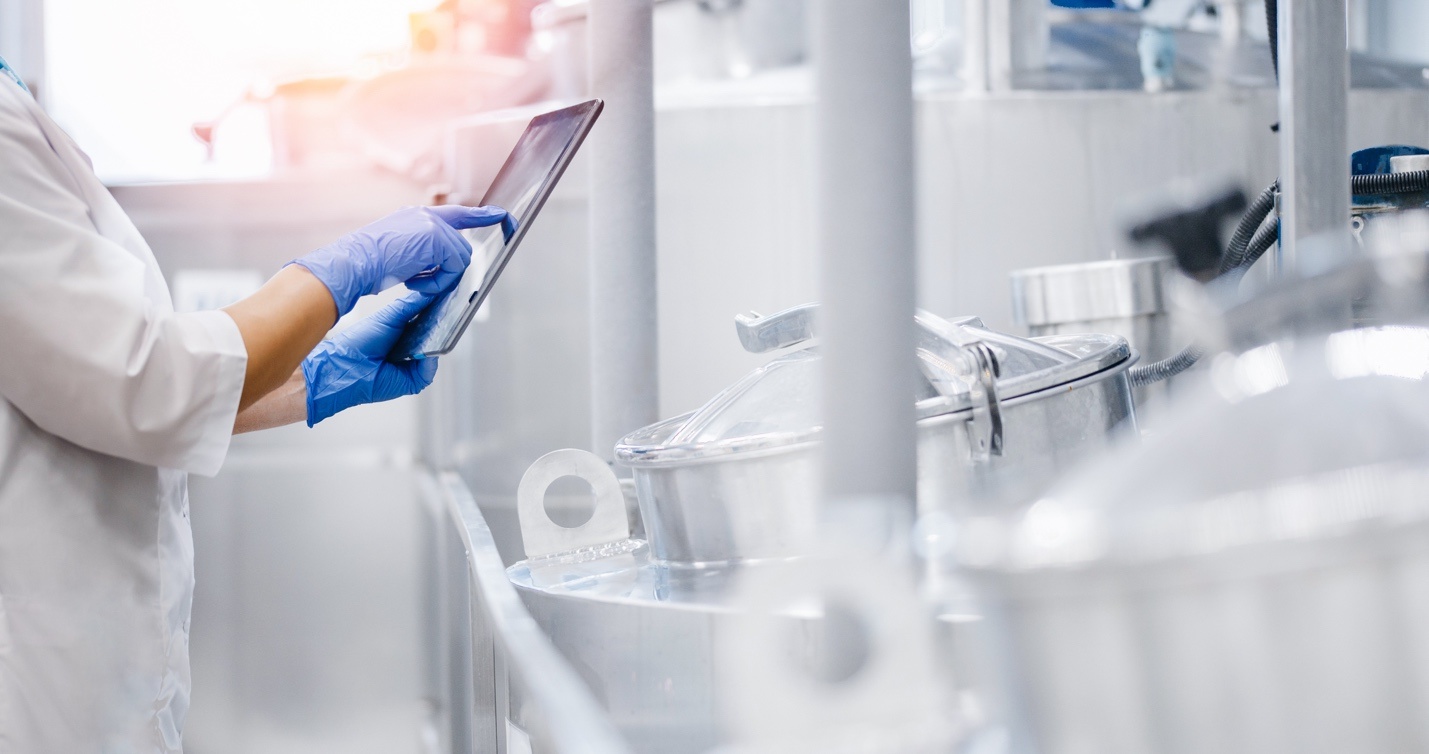
Cleanrooms used in medical device manufacturing, pharmaceutical production, and laboratory work require strict control of particles and microorganisms. Contamination can compromise product quality, disrupt testing, or create patient safety risks. Effective prevention depends on facility design, consistent cleaning practices, and employees who follow approved gowning procedures. Each control must match the room’s classification and the activities performed inside it.
People are a major source of particles in controlled environments. Skin flakes, hair, clothing fibers, and improper movement can introduce material into critical work areas. Equipment, packaging, and incoming supplies create additional exposure points.
Facilities should assess how personnel and materials enter each room. Separate entry routes, controlled transfer procedures, and limits on unnecessary movement can reduce contamination risks. Workflows should prevent cleaned items from crossing paths with waste or unprocessed materials. Establishing clear rules for carts, packaging removal, and pass-through chambers helps maintain separation during busy production shifts.
Cleaning schedules should specify which surfaces require attention, how often they are cleaned, and which approved products are used. Floors, workbenches, doors, and frequently touched equipment may require different methods depending on their contamination risks.
Staff should use cleanroom-compatible wipes and tools that do not shed fibers. Follow the facility’s validated procedures for wiping direction, disinfectant dilution, contact time, and product rotation where required. Remove visible soil before disinfection when the approved procedure calls for it.
Record completed cleaning activities, including the date, operator, and any deviations. Supervisors should investigate repeated failures rather than simply increasing cleaning frequency. Cleaning agents must also be compatible with sensitive surfaces and equipment.
Personal protective equipment helps limit contamination released by workers and may also protect employees from workplace hazards. Depending on the environment, required items can include coveralls, hoods, masks, gloves, and dedicated footwear.
Gowning order matters because touching exposed skin or ordinary clothing can contaminate clean garments. Employees should follow posted sequences, inspect garments for damage, and replace compromised gloves promptly. PPE requirements should reflect the facility’s risk assessment, not assumptions based on appearance alone.
Environmental monitoring provides evidence that contamination controls are working. Depending on the process, facilities may track airborne particles, microbial contamination, pressure differences, temperature, and humidity. Results should be reviewed against established limits and investigated when trends worsen.
Periodic assessments, including cleanroom certification services, can help verify performance of airflow and filtration systems against applicable requirements. However, testing cannot substitute for proper behavior during daily operations.
Train employees before independent cleanroom work and reassess their technique regularly. Practical observations of gowning, material transfers, and cleaning can reveal gaps that written quizzes miss.
Contamination control works best as a coordinated routine rather than an occasional inspection. Clear procedures, appropriate protective clothing, documented cleaning, and meaningful monitoring help medical facilities maintain consistent conditions. Reviewing deviations and updating practices when processes change can reduce preventable contamination events and protect the integrity of sensitive work. For more information, feel free to look over the accompanying infographic below.

Infection prevention extends beyond hand hygiene and medical equipment sterilization. Healthcare facilities must also manage air quality, water systems, environmental surfaces, and building conditions …
Posted Nov 11, 2026 Hospitals, Special
Connecting innovation decision makers to authoritative information, institutions, people and insights.

Medigy accurately delivers healthcare and technology information, news and insight from around the world.
Medigy surfaces the world's best crowdsourced health tech offerings with social interactions and peer reviews.
© 2026 Netspective Foundation, Inc. All Rights Reserved.
Built on Nov 12, 2026 at 5:06am
