

Managing Editor
@ShahidNShah
@ShahidNShah

Breaking into the beauty industry is exciting, but let’s be honest: it is also intensely crowded.
Between legacy giants dominating shelf space and endless direct-to-consumer (DTC) brands launching every week, getting your cosmetic or skincare line noticed is tricky. It takes a deliberate, well-calculated financial strategy.
If you are trying to figure out how much money to set aside and where every dollar should actually go, this guide cuts through the guesswork.
If you try to market your skincare line to “everyone who has skin,” you’ll end up connecting with no one.
A teenager battling hormonal acne looks for entirely different things than a busy professional dealing with early fine lines. Similarly, someone managing stubborn hyperpigmentation is desperately looking for specialized skincare solutions.
Building a buyer persona helps you stop guessing what your audience wants and start speaking directly to their daily skin frustrations.
Here is how to map out the ideal skincare buyer persona for your brand.
| Marketing Category | Share of Budget (%) | Monthly Spend ($50,000 Revenue Scale) | Primary Focus & Channels |
| Performance & Paid Ads | 45% | $5,625 | Driving immediate conversions via Meta (Instagram/Facebook) ads, TikTok Spark Ads, and Google Shopping. |
| Influencer & Seeding | 25% | $3,125 | Partnering with micro- and nano-influencers for authentic product reviews and social proof. |
| Content & Organic Marketing | 20% | $2,500 | Publishing educational blog content, ingredient breakdowns, high-end product photography, and email flows. |
| Tools, Analytics & Retainers | 10% | $1,250 | Managing email/SMS software, SEO tracking tools, and graphic design subscriptions. |
| Total Marketing Pool | 100% | $12,500 | (Represents 25% of a $50,000 monthly early-stage revenue or capital allocation) |
Every time you turn around, some new company is launching another serum, moisturizer, face wash, or acne cream. You need a real hook, content that doesn’t put people to sleep, actual visibility, and proof that people can trust you. Without that, you just sit on the shelf.
A cosmetic marketing agency brings those pieces together. They mix up SEO, social media, creator collabs, and paid ads to get your stuff in front of the exact people who want it. If you hire a full-service team, here is what they actually handle for you:
A cosmetic marketing company helps your skincare brand become familiar to its target audience. Their team promotes products through social media, search engines, influencer partnerships, digital PR, and paid advertising. They can also create campaigns around specific skincare concerns such as acne, dry skin, sensitive skin, pigmentation, and signs of aging.
Customers research ingredients and products before they buy. Marketing teams create content that answers those questions. They may publish ingredient guides, skincare routines, product comparisons, how-to videos, blog posts, and product explainers. Content around ingredients such as retinol, niacinamide, hyaluronic acid, salicylic acid, and vitamin C can also attract people who already show purchase interest.
SEO helps skincare brands reach people who search for specific products and solutions. A cosmetic marketing company can optimize product pages and create content around searches such as “best moisturizer for dry skin,” “vitamin C serum benefits,” or “sunscreen for sensitive skin.” Better search visibility can bring relevant visitors to the brand’s website and product pages.
Influencer marketing can put skincare products in front of a relevant audience through product reviews, tutorials, routines, and demonstrations. Paid advertising can support the same goal by targeting people based on their interests and online behavior. Marketing teams can also retarget visitors who viewed a product but did not complete a purchase.
No skincare product buyer will drop money on a random new cosmetic brand without major hesitation. Shoppers want proof that a formula delivers, clear steps for daily use, and unfiltered opinions from real people.
A sharp agency builds that proof directly. They collect honest reviews, gather customer videos, run clear demonstrations, and break down ingredients plainly. That honesty moves shoppers from browsing to buying.
Honestly, getting your marketing off the ground will cost from a few thousand to tens of thousands of dollars. Don’t try to tackle all of it at once. Just pick the few channels where your actual buyers hang out and put your money there so you don’t burn through your whole budget on day one.
Deciding between paid ads and creators comes down to your target buyer and performance metrics. Paid promotion brings immediate traffic, whereas influencers establish genuine credibility and recognition. Run small trials for both, then evaluate customer acquisition cost, conversion rate, and revenue prior to investing heavier funds.
Keep a chunk of your funds for email flows and rewards programs. You should also keep funds for retargeting ads and follow-up messages after checkout. Getting a brand-new buyer costs way more than getting someone who already bought from you to order again. Putting money into retention helps drive up customer lifetime value as your business scales.
Totally, if you want free traffic that stacks up over time. Early on, you spend that cash on keywords, cleaning up product pages, and creating helpful articles. ROI-first SEO also helps in site fixes and digital PR. It moves slower than paid ads, so treat it like a marathon, not a sprint.
That’s interesting because it will decide the future brand value proposition. Always track your acquisition cost and conversion rate. Don’t forget to measure order size, ad return, repeat buyers, and lifetime value. Revenue lies. If you pull in sales but pay too much to get those buyers, you lose money even if top-line revenue looks high.

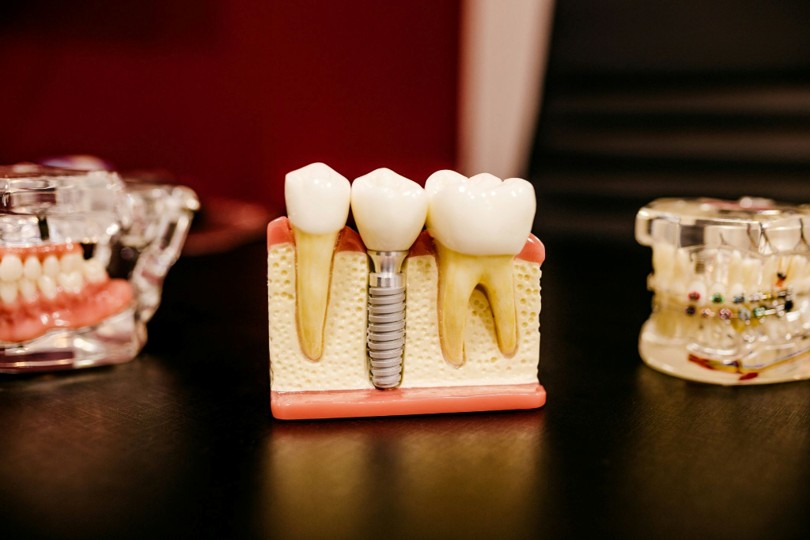
If you are struggling with missing or damaged teeth but are putting off the treatment. It may be due to high costs in your home country. You are not alone. Thousands of people from the UK, USA, …
Posted Aug 28, 2026 Dental Care Dentistry
Connecting innovation decision makers to authoritative information, institutions, people and insights.

Medigy accurately delivers healthcare and technology information, news and insight from around the world.
Medigy surfaces the world's best crowdsourced health tech offerings with social interactions and peer reviews.
© 2026 Netspective Foundation, Inc. All Rights Reserved.
Built on Oct 9, 2026 at 4:06pm