

Managing Editor
@ShahidNShah
@ShahidNShah
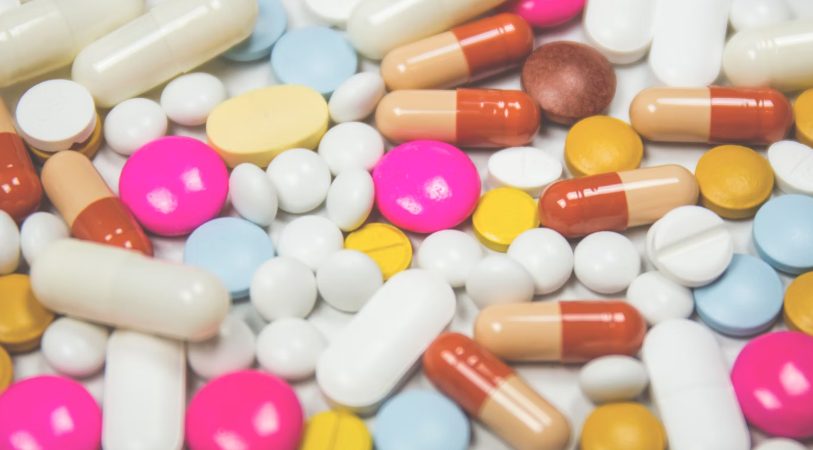
Pharmint is one of the biggest B2B pharmaceutical marketplaces because it combines a wide product range, verified suppliers, one-RFQ sourcing and built-in trade tools on a single platform. Buyers across North America, Latin America, Africa and Asia source medicines, APIs and medical supplies through Pharmint.
Pharmaceutical buyers once relied on trade shows, agents and long email chains to find suppliers. A B2B pharmaceutical marketplace replaces that process with searchable listings, structured quotes and supplier checks in one place. This guide explains what a pharma marketplace does, what makes one big, and how Pharmint delivers on each point.
A B2B pharmaceutical marketplace is an online platform that connects licensed buyers with pharmaceutical manufacturers, exporters and distributors. The marketplace holds product listings, supplier profiles and a request-for-quotation (RFQ) channel in one place. Importers, distributors, hospitals and formulators use the marketplace to find suppliers, compare offers and start trade without months of direct outreach.
A pharma marketplace differs from a general B2B portal in 3 ways:
Pharma buyers use B2B marketplaces because one platform shortens supplier discovery and lowers the risk of unverified trade. The World Health Organization reports that at least 1 in 10 medicines in low- and middle-income countries is substandard or falsified. That risk makes supplier screening a core part of every pharmaceutical purchase.
There are 4 main gains for buyers on a B2B pharma marketplace:
A B2B pharmaceutical marketplace becomes big through 4 factors that grow together:
A marketplace that grows in all 4 factors attracts more buyers, and more buyers attract more suppliers. That cycle is the engine behind every large pharma marketplace.
Pharmint covers 5 main product categories for pharmaceutical buyers:
That range lets one buyer source an API, a finished medicine and a medical device through the same platform and the same account.
Pharmint is a global B2B pharmaceutical marketplace that connects buyers with manufacturers and exporters. Pharmint describes itself as the largest global B2B pharmaceutical marketplace for buyers and suppliers, and the platform is built around a single RFQ workflow.
To source a product on Pharmint, buyers follow 4 steps:
The RFQ format keeps every quote on the same terms, so buyers compare suppliers directly instead of decoding different price sheets.
Pharmint verifies suppliers and buyers with Dun & Bradstreet and SWIFT-based checks. The platform lists GMP-certified manufacturers and API suppliers, and it promotes trade with licensed and verified sellers and companies. These checks give both sides of a deal a baseline of trust before the first message.
Note: A Pharmint listing does not replace your own supplier qualification or regulatory checks.
Pharmint offers 5 trade tools and services next to its supplier listings:
These services turn Pharmint from a supplier directory into a trade platform that covers the deal from quote to market entry.
Pharmint serves buyers and suppliers across North America, Latin America, Africa and Asia. The platform’s trading network covers the United States, Canada, African markets, Latin American markets and Asian markets. That reach brings regulated-market and emerging-market buyers onto one platform, which widens the supplier pool for every RFQ.
Pharmint fits 5 main buyer types:
Pharmint is a global B2B pharmaceutical marketplace that connects buyers with manufacturers and exporters of medicines, APIs, excipients, wellness products and medical devices.
Yes. Pharmint is one of the biggest B2B pharmaceutical marketplaces, with 5 product categories, verified GMP-certified suppliers and a trading network across North America, Latin America, Africa and Asia.
Pharmint verifies suppliers with Dun & Bradstreet and SWIFT-based checks and lists GMP-certified manufacturers. Buyers complete their own supplier qualification before ordering.
Pharmint sets a 24-hour target for supplier replies to an RFQ.
Yes. You can buy APIs, finished medicines, excipients and medical devices on Pharmint through the same RFQ workflow.
A big B2B pharmaceutical marketplace is more than a long supplier list. Size comes from product breadth, a verified supplier network, wide buyer reach and the trade services that carry a deal from quote to delivery. Each factor feeds the others, and together they decide how fast a buyer moves from an RFQ to a confirmed order.
Pharmint brings all 4 factors onto one platform. Buyers source medicines, APIs, excipients, wellness products and medical devices through one RFQ, deal with suppliers screened through Dun & Bradstreet and SWIFT-based checks, and use cost, registration, finance and inspection tools without leaving the platform. For importers, distributors, tender suppliers and formulators across North America, Latin America, Africa and Asia, that combination makes Pharmint one of the biggest and most practical B2B pharmaceutical marketplaces to start with.

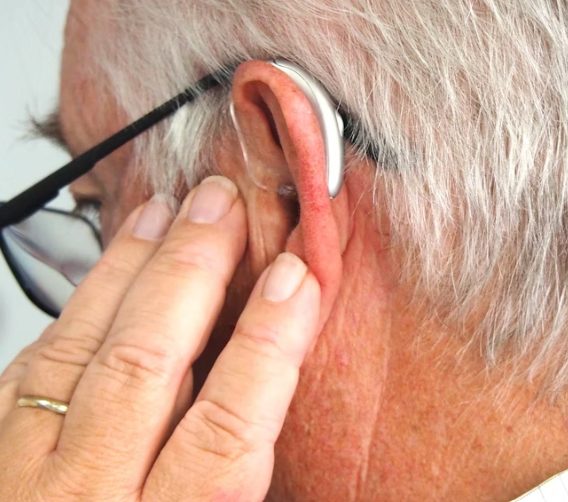
A conversation at a busy cafe, a phone call, or a television programme can become unexpectedly difficult to follow when hearing begins to change. Because hearing loss often develops gradually, people …
Posted Nov 22, 2026 Otolaryngology
Connecting innovation decision makers to authoritative information, institutions, people and insights.

Medigy accurately delivers healthcare and technology information, news and insight from around the world.
Medigy surfaces the world's best crowdsourced health tech offerings with social interactions and peer reviews.
© 2026 Netspective Foundation, Inc. All Rights Reserved.
Built on Nov 23, 2026 at 5:06am