

Managing Editor
@ShahidNShah
@ShahidNShah
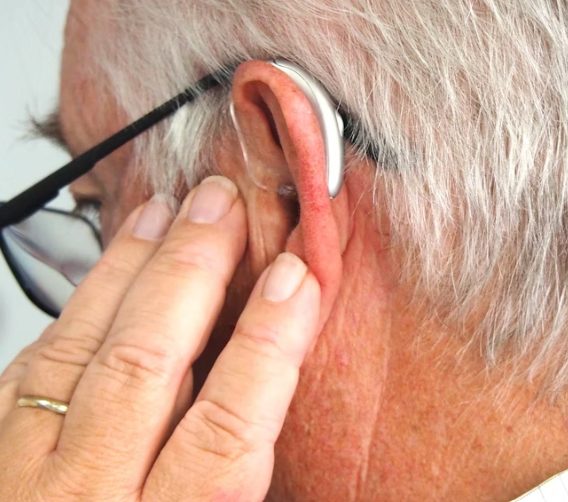
A conversation at a busy cafe, a phone call, or a television programme can become unexpectedly difficult to follow when hearing begins to change. Because hearing loss often develops gradually, people may attribute these moments to background noise, fast speech, or distraction rather than their hearing.
Small clues, such as asking others to repeat themselves or missing parts of a conversation, can be easy to overlook. Recognising these changes matters: an assessment can help clarify what is happening and whether support is needed. Knowing the early signs, what a hearing test involves, and when to seek urgent care can help people take informed steps to protect their hearing and stay connected.
Hearing changes are not always noticeable as a complete inability to hear sounds. Often, the first signs involve difficulty understanding speech or noticing sounds in everyday situations. Recognising these patterns may help people identify when they need further assessment.
Some common early signs include:
These symptoms may have different causes, so they should not be treated as confirmation of hearing loss.
When hearing loss develops slowly, people may adapt to the changes without realising that their hearing is affected. They might rely on context, watch others’ faces more closely or choose quieter settings to make conversations easier.
Several factors can make early signs less obvious:
Hearing changes can be associated with ageing, exposure to loud noise, ear conditions, infections and certain medicines. Identifying the cause is important because different types of hearing loss may require different approaches.
Recognising symptoms is a useful first step, but a professional assessment helps establish whether hearing loss is present and what may be causing it.
A hearing assessment can evaluate how well someone detects sounds and understands speech. Depending on the individual’s needs, an audiologist may:
Assessment results can help identify the type and degree of hearing loss, although further medical investigation may sometimes be necessary. Recommendations could include medical referral, hearing devices, communication strategies or follow-up assessments.
People seeking further information about hearing assessments and audiology care can explore specialist hearing services and the range of services they provide.
Difficulty hearing can affect communication, relationships and participation in everyday activities. When people regularly miss parts of conversations, they may find certain situations more tiring or less comfortable.
Addressing hearing concerns can help people explore ways to manage communication difficulties and maintain their participation in daily activities.
Persistent hearing difficulties warrant an assessment, particularly if they interfere with conversations, work or daily activities. However, sudden hearing loss requires immediate medical attention.
Sudden hearing loss is a medical emergency. If hearing suddenly decreases in one or both ears, seek urgent medical care rather than waiting for a routine appointment. It can sometimes feel like a blocked ear, so the sensation should not automatically be assumed to be earwax.
The Australian Government’s healthdirect hearing loss guide explains common symptoms, causes and when to seek medical care.
Recognising early hearing changes can help people seek appropriate support before communication difficulties become more disruptive. Persistent symptoms deserve attention, even when they seem minor. A professional assessment can clarify hearing concerns, identify possible causes and guide suitable next steps. Taking hearing health seriously can help people remain connected, informed and confident in everyday situations.
Yes, hearing loss can affect one ear or both, depending on the underlying cause.
Yes, repeated exposure to loud sounds through headphones or other sources can damage hearing over time.
No, online checks may help identify possible concerns, but they cannot replace a comprehensive hearing assessment by a qualified professional.


Quick Answer The primary care practice owns the clinical order, and the specialist’s office owns the booking. Very often, the patient or family carries the follow-up until a visit date is confirmed. …
Posted Nov 20, 2026 Primary Care
Connecting innovation decision makers to authoritative information, institutions, people and insights.

Medigy accurately delivers healthcare and technology information, news and insight from around the world.
Medigy surfaces the world's best crowdsourced health tech offerings with social interactions and peer reviews.
© 2026 Netspective Foundation, Inc. All Rights Reserved.
Built on Nov 23, 2026 at 5:06am