

Managing Editor
@ShahidNShah
@ShahidNShah
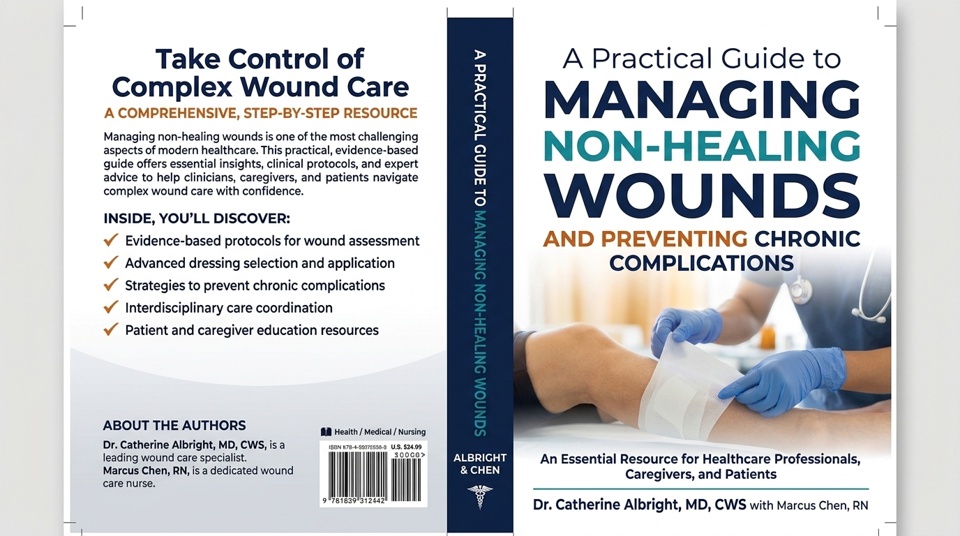
Good skin healing is something most people just ignore until a small cut, a surgery mark, or a pressure sore refuses to close up. Normally, the human body fixes small surface cuts within just a few weeks. However, hidden health issues like metabolism problems, poor blood flow, nerve damage, or ongoing swelling can mess up this natural healing order. When a wound stays open for more than four weeks, it changes from a normal cut into a chronic wound. Spotting the early warning signs of slow healing is super important to stop bad tissue damage, deep infections, and long recovery times.
Taking care of slow-healing skin problems needs a fixed routine that handles both your inside health and the outside skin condition. Medical rules shared by groups like Iris Medical Group point out that good wound care is much more than just sticking a simple bandage over hurt skin. Getting better depends on keeping the wound bed clean, handling fluid drainage properly, and eating the right nutrition so new cells can grow. Knowing how all these things work together helps family caregivers and patients look after sensitive skin safely at home with a doctor’s guidance.
To understand why chronic wounds happen in the first place, it helps to look at how the body fixes healthy skin. Healing moves through four clear stages: swelling, building new tissue, fixing the structure, and final maturing. Right after you get hurt, blood vessels get narrow to stop blood loss while blood clots close up the top. White blood cells rush into the spot to clean out bacteria and dead skin cells.
Once that surface is clean, the body makes fresh connecting tissue and tiny blood vessels across the bottom of the injury. New skin cells then move across this base to close the open gap. When long-term illnesses like diabetes or artery disease cut down the local blood supply, the tissue gets stuck in a non-stop swelling phase. Oxygen and needed nutrients simply cannot reach the hurt spot, which brings cell repair to a complete stop.
Several common health issues get in the way of natural skin recovery. Knowing about these risk factors lets patients take early action before small scrapes turn into serious open sores.
Impaired Blood Circulation Blood carries important oxygen, immune cells, and growth helpers needed for fixing cells. Health conditions that make blood vessels narrow or hard heavily cut down nutrient delivery to outer body parts, especially the feet and lower legs. Without enough fresh blood flow, new cells cannot grow fast enough to close up an open wound.
Elevated Blood Sugar Levels High sugar levels make blood vessel walls stiff and weaken how white blood cells work. Also, uncontrolled blood sugar can cause nerve damage in the feet and hands, which takes away pain feelings. Patients might get small blisters or rubbing sores on their feet and not even feel them, letting tiny cuts get much worse without being noticed.
Chronic Moisture and Pressure Constant pressure on bony body spots—like your heels, ankles, and hips—blocks local blood flow. When you mix this with too much wetness from sweat or leaking fluid, the top skin layers get weak very quickly, leading to painful pressure sores.
Looking after a tricky skin injury takes steady effort, clean habits, and a lot of patience. Following a simple step-by-step cleaning and bandaging routine lowers the chance of infection by a lot.
Catching an infection early keeps local skin problems from spreading deeper into your muscles or entering the bloodstream. Check open skin every single day when changing bandages to look for any small physical changes.
| Symptom | Normal Healing Indicator | Potential Infection Warning |
| Redness | Light pink edges that fade away over time | Spreading bright red border around the cut |
| Fluid Drainage | Clear or thin light-yellowish liquid | Thick yellow, green, or bad-smelling pus |
| Temperature | Slight warmth during the first few days | Constant heat coming from the skin around it |
| Pain Level | Discomfort that slowly goes down | Sudden jump in throbbing pain or soreness |
| Systemic Response | Normal energy levels and body temperature | Sudden fever, body chills, or feeling confused |
If any of these infection signs show up, ask a qualified medical professional for help right away. Never try to treat a suspected infection using leftover prescription creams without clear advice from a doctor.
What you put on your plate plays a huge part in how fast your body fixes damaged tissue. Protein works as the main building block for making new skin cells, collagen, and blood vessels. Your daily meals should include lean proteins like chicken, fish, eggs, beans, or tofu to keep the right balance needed for tissue growth.
Drinking enough water is just as important. Water keeps your blood volume up, which helps move oxygen around and carries cell waste away from the injury spot. Also, vitamins C and A, together with minerals like zinc, help your body make collagen and keep your immune system strong. Eating a balanced diet full of whole foods gives your immune system the basic raw materials it needs to fix skin properly.
Stopping skin damage before it starts is way easier than fixing an already existing chronic sore. Easy daily habits keep fragile skin safe long before any real trouble begins.
By following smart daily skin care habits and seeing a doctor on time when cuts fail to get better, patients can protect their ability to move around, stay comfortable, and keep their overall health in good shape.


The success of your telehealth practice depends on more than just the quality of your consultations. You need reliable partners who can deliver customized medications directly to your patients’ …
Posted Nov 20, 2026 Telehealth Pharmacology
Connecting innovation decision makers to authoritative information, institutions, people and insights.

Medigy accurately delivers healthcare and technology information, news and insight from around the world.
Medigy surfaces the world's best crowdsourced health tech offerings with social interactions and peer reviews.
© 2026 Netspective Foundation, Inc. All Rights Reserved.
Built on Nov 21, 2026 at 5:05am