

Managing Editor
@ShahidNShah
@ShahidNShah
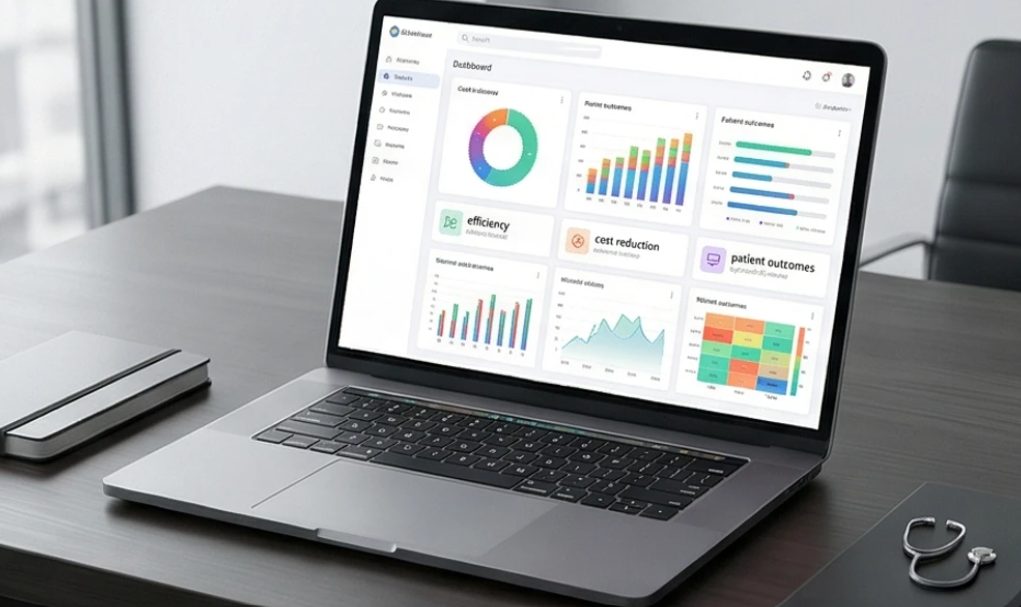
Healthcare produces more data than almost any other industry. Electronic health records, wearables, lab systems, claims files, and patient portals feed a constant stream of information. Yet many care teams still struggle to turn that stream into clear decisions.
The problem is rarely a lack of data. It is a lack of clarity. When clinicians and administrators face crowded spreadsheets and disconnected reports, important signals get buried and time is lost.
That is why visual analytics has moved from a nice-to-have to a core part of digital health strategy. Well-designed dashboards help teams spot trends, compare outcomes, and act with confidence. For US healthcare organizations facing rising quality targets and cost pressure, seeing the data clearly is now a real advantage.
Healthcare decisions are time-sensitive. A nurse manager reviewing patient flow, or an executive tracking readmission rates, needs answers in seconds rather than hours.
Visual formats make that possible. A single heat map can show which units are overloaded, while a trend line can reveal whether infection rates are improving.
Many organizations now turn to data visualization consulting to move beyond basic charts and build views that match real clinical and operational workflows. The goal is not decoration. It is to put the right information in front of the right person at the right moment.
Health data is messy by nature. It arrives in different formats, from different systems, and at different speeds. A useful dashboard has to bring these sources together without overwhelming the person using it.
Good design starts with a simple question: what decision will this view support? A care coordinator may need a patient risk list, while a hospital CFO needs cost and utilization trends.
Interactive filters, drill-down views, and clear color coding let each user explore the data at their own level. When visuals are built around real decisions, adoption rises and reporting delays fall.
The shift toward value-based care has raised the stakes for measurement. Providers must now show outcomes, not just activity, and that requires tracking quality metrics across large patient groups.
Visual tools make population health easier to manage. Teams can segment patients by condition, location, or risk level and see where gaps in care exist. Geographic maps can highlight underserved communities, while cohort charts show how interventions perform over time.
These insights help leaders direct resources where they matter most. They also make reporting to payers and regulators faster and more transparent.
Visual insight is only as valuable as the data behind it. In healthcare, that data must be accurate, secure, and compliant with regulations such as HIPAA.
Dashboards depend on strong foundations: reliable integrations, clean data pipelines, and role-based access controls. Without them, even the best-looking chart can mislead.
This is where custom software development plays an important role. Purpose-built platforms can connect EHRs, APIs, and analytics tools into one secure environment, so teams see trusted numbers instead of conflicting reports. Interoperability is no longer optional. It is the backbone of modern digital health.
Healthcare will keep generating more data every year. The organizations that benefit most will not be those that collect the most, but those that understand it best.
Clear visuals help clinicians act faster, support value-based care, and give leaders confidence in their decisions. They work best when built on secure, well-integrated systems that respect patient privacy and regulatory demands.
The long-term value goes beyond better reports. A strong visualization strategy builds a culture where decisions are guided by evidence, teams share a common view of performance, and patients ultimately receive better care.
As artificial intelligence and real-time analytics mature, the gap between data-literate organizations and everyone else will only widen. Investing in clarity today is one of the most practical ways to prepare for the future of digital health.

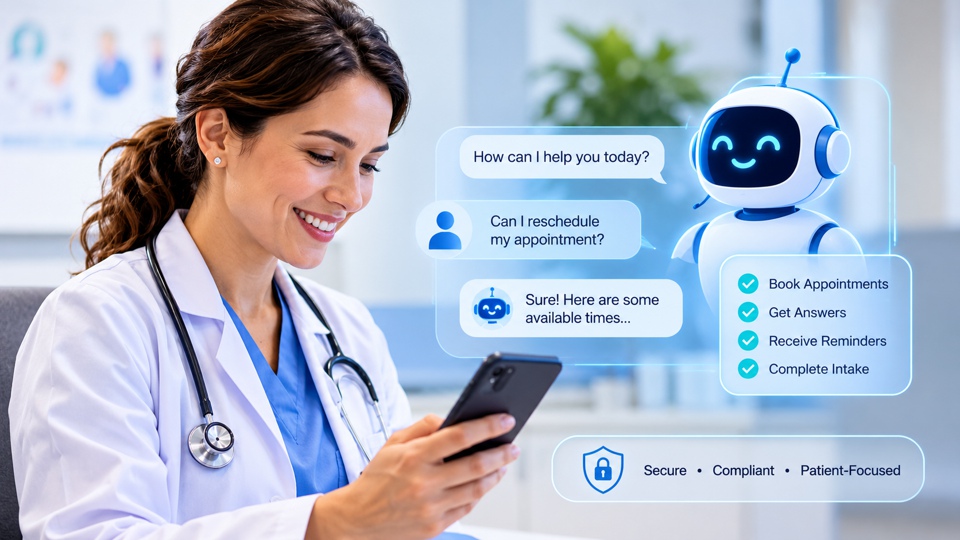
Healthcare providers spend a significant part of their day answering patient questions, managing appointment requests, sending reminders, and explaining routine instructions. These tasks may seem …
Posted Nov 23, 2026 Artificial Intelligence Healthcare
Connecting innovation decision makers to authoritative information, institutions, people and insights.

Medigy accurately delivers healthcare and technology information, news and insight from around the world.
Medigy surfaces the world's best crowdsourced health tech offerings with social interactions and peer reviews.
© 2026 Netspective Foundation, Inc. All Rights Reserved.
Built on Nov 24, 2026 at 5:05am