

Managing Editor
@ShahidNShah
@ShahidNShah
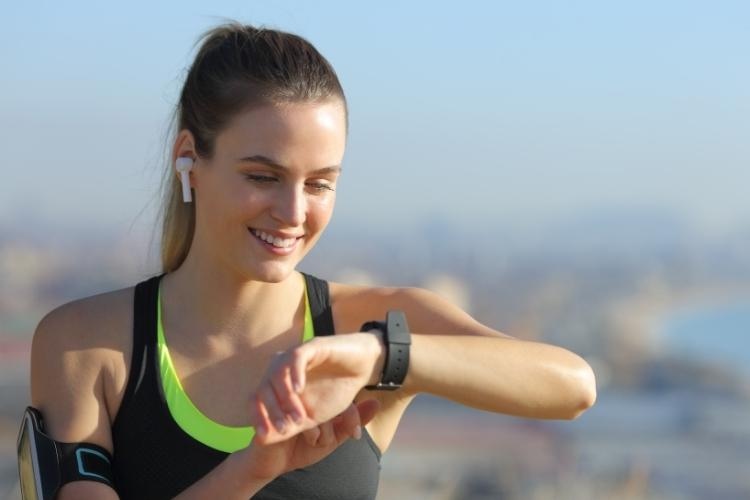
Healthcare is increasingly moving beyond one-size-fits-all recommendations towards approaches that consider individual needs, habits, and health information. Wearable devices that can track your daily activity, smartphones that can record nutrition and exercise, and lab tests that can provide insight into selected aspects of your health can all add another dimension to your overall health. Together, these tools are changing how people understand their well-being and approach personal health goals.
However, collecting more data doesn’t automatically lead to better health decisions. Information must be accurate, relevant, and interpreted in the right context to be useful. Understanding what different tools can measure, where their limitations lie, and when professional guidance is needed is essential.
Wearable devices, including smartwatches and fitness trackers, depending on the device, may monitor step count, heart rate, sleep patterns, and exercise duration.
This information can help users recognize patterns in their routines. Someone who spends most of the working day sitting, for example, may notice a lack of movement and decide to incorporate regular walks. Others may use activity tracking to monitor workout consistency or identify changes in sleep habits.
Nevertheless, wearable measurements are not equivalent to clinical assessments. Consumer devices vary in accuracy, and readings can be affected by device fit, movement, and the technology used. Wearables are best viewed as tools for observing general patterns rather than making medical decisions.
Each source of health information provides only part of the picture. An activity tracker may record movement, a food diary may highlight eating patterns, and a blood test may measure specific biological markers. When interpreted together, these sources may help individuals and healthcare professionals explore how different aspects of health relate to one another.
For example, someone who wants to improve fitness might track exercise frequency, review nutritional habits, and discuss relevant health concerns with a clinician. Each source contributes different information, helping to shape a more individualized plan.
Bloodwork can provide additional context when clinically appropriate. Depending on the tests ordered, laboratory results may help assess factors such as blood glucose, cholesterol, or iron levels. However, no single panel provides a complete picture of health, and testing should be guided by individual circumstances.
Results also require careful interpretation. Medical history, symptoms, medications, and other factors can influence what a result means. Combining information is therefore not simply about accumulating measurements, but understanding what information is important and using it to support appropriate decisions.
Digital wellness platforms are bringing several health-related activities into a more coordinated experience. Depending on the service, users may be able to access workout plans, record nutrition, review progress, and receive coaching or professional guidance.
This approach can connect long-term goals with everyday actions. Someone aiming to become stronger, for instance, may benefit from a plan that considers exercise habits, nutritional needs, recovery, and progress over time rather than focusing exclusively on body weight.
Some services, such as hollyfit.com, further simplify the process by bringing together digital coaching, nutrition, progress tracking, and medication- and health-related guidance, all into one convenient app.
Technology can also make it easier to adjust routines when circumstances change. Someone who travels frequently might need a flexible exercise schedule, while a person returning to activity after a long break may benefit from a slower approach.
Digital coaching shouldn’t be confused with a medical diagnosis or treatment. Users should understand the limits of the services they use and when qualified healthcare professionals need to be involved.
As health platforms collect information from multiple sources, privacy and data security become more of a concern. Health-related information can be sensitive, particularly when it includes laboratory results, medical history, or personal measurements.
Before using a digital health service, consumers should review its privacy policy and understand what information is collected, how it’s stored, whether it’s shared with third parties, and how consent can be managed.
Accuracy is another consideration. Different devices may produce different readings, and users should avoid drawing major conclusions from isolated measurements or treating small fluctuations as proof that an intervention is working.
Automated recommendations also have limitations. Digital tools can organize information and identify patterns, but they may not account for every relevant factor. Important health decisions should involve appropriate clinical assessment, especially when symptoms or concerning results are present.
The practical value of personalized wellness depends on what people do with the information available to them. Collecting measurements without a clear purpose can create unnecessary complexity, while focusing on a few relevant indicators may make progress easier to understand.
A sensible starting point is to identify a specific goal, such as improving cardiovascular fitness, building strength, or establishing a more consistent sleep schedule. The goal should determine what information is useful, rather than the availability of a particular device or test dictating what needs to be measured.
It can also help to review trends instead of reacting to daily fluctuations. Consistency in physical activity, changes in exercise capacity, and sustainable nutrition habits may offer more useful feedback than an isolated score.
Finally, information should lead to realistic action. If tracking reveals limited movement during the working day, scheduled walking breaks may be a practical adjustment. If lab results raise concerns, the next step should be a conversation with a healthcare professional rather than an attempt to interpret the findings independently.
Wearables, lab testing, and digital wellness platforms are expanding the ways people can understand and manage aspects of their health. Their greatest value lies not in the amount of information they generate, but in how accurately that information is interpreted and applied.
By combining relevant measurements with personal context, realistic goals, and qualified professional guidance, individuals can make more informed decisions about their health. Privacy, accuracy, and appropriate clinical oversight must remain central to this process.
As connected health technologies continue to develop, the challenge will be to make information more useful without making wellness unnecessarily complicated. A good approach prioritizes meaningful insights over constant monitoring and sustainable habits over short-term results, keeping individual well-being at the center of every decision.


The hard part of vein care isn’t treatment; it’s getting patients through the door. Remote screening is fixing that first step. Nobody books a vein appointment because they feel fine. They book it …
Posted Oct 15, 2026 Telehealth
Connecting innovation decision makers to authoritative information, institutions, people and insights.

Medigy accurately delivers healthcare and technology information, news and insight from around the world.
Medigy surfaces the world's best crowdsourced health tech offerings with social interactions and peer reviews.
© 2026 Netspective Foundation, Inc. All Rights Reserved.
Built on Oct 15, 2026 at 6:05pm