

Managing Editor
@ShahidNShah
@ShahidNShah
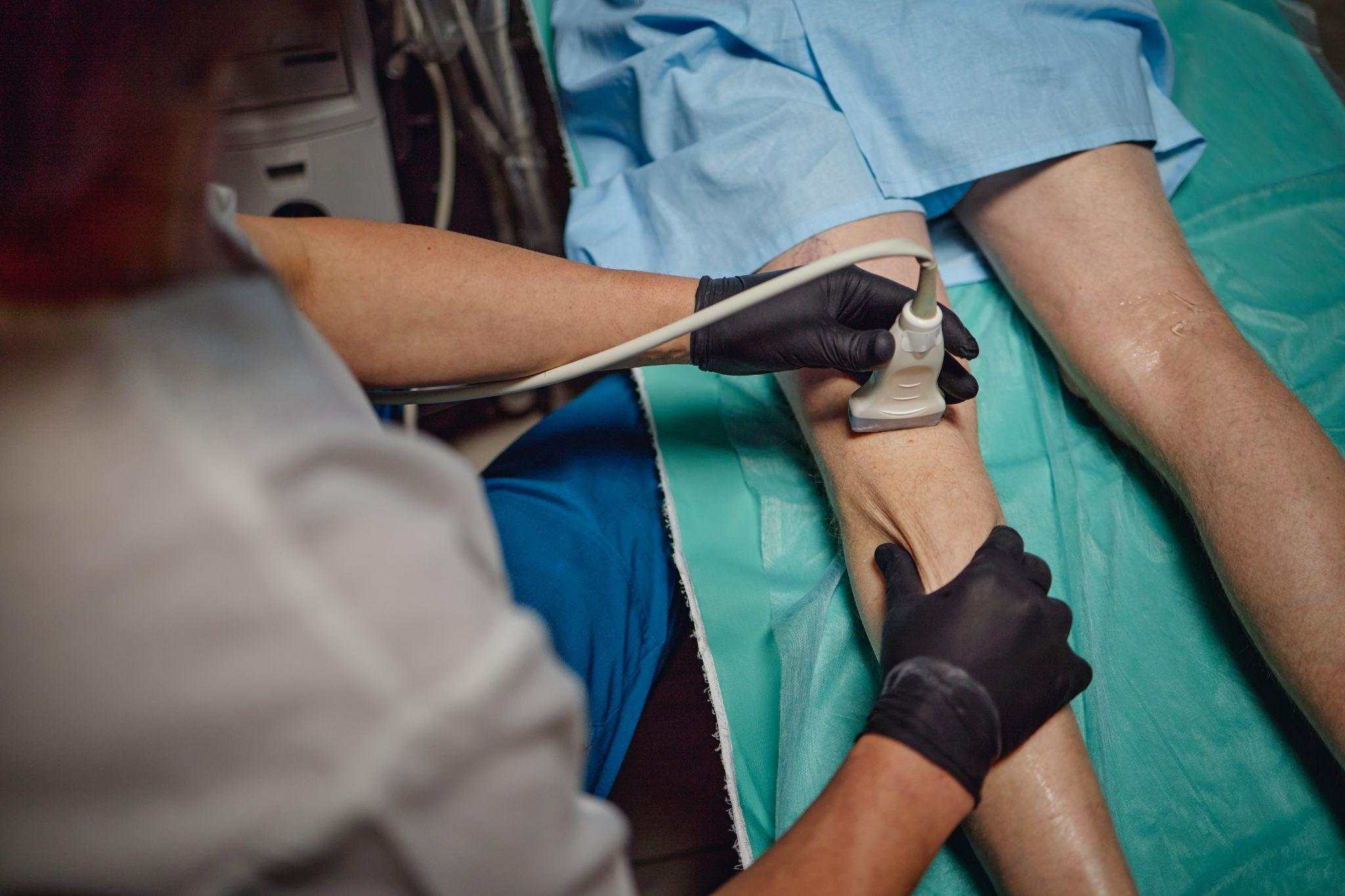
The hard part of vein care isn’t treatment; it’s getting patients through the door. Remote screening is fixing that first step.
Nobody books a vein appointment because they feel fine. They book it because something has been quietly wrong for months, and they finally ran out of reasons to postpone. Legs aching by mid-afternoon. Socks leaving marks that take hours to fade. A blotchy discoloration below the knee that crept in slowly enough that they can’t say exactly when it started. These aren’t emergencies. That’s the trap. They don’t feel urgent enough to act on, so people don’t, and venous disease that could have been caught early eventually presents late.
Telehealth is starting to shift this. Not by replacing anything, but by lowering the barrier between “I should probably get this checked” and actually getting it checked. When a patient can submit photographs and complete a structured symptom intake from their kitchen table, that barrier shrinks considerably. Even more acute findings, like a blown vein with visible bruising and local tenderness, can be photographed and triaged remotely before anyone decides whether an in-person visit is warranted. So can telehealth realistically catch venous disease earlier?ss
Vascular specialists cluster in cities and academic centers. A patient in a rural area with symptomatic varicosities might wait four months for a first appointment. By the time they’re seen, disease has progressed. Remote screening doesn’t solve the specialist shortage, but it addresses the triage layer, which is actually where the most useful intervention happens.
Patient psychology matters here too. Chronic venous insufficiency sits in that uncomfortable zone where the symptoms are real, but the urgency isn’t obvious. People tolerate a lot before seeking evaluation for something that doesn’t fully incapacitate them.
A remote pathway that doesn’t require a half-day off work removes friction that was, for many patients, the deciding factor between acting and not acting.
The structure varies across programs, but functional components tend to overlap.
Symptom intake comes first. Not a generic health form but a structured questionnaire built around the CEAP classification system, the clinical staging framework vascular specialists actually use. A patient describing swelling that worsens through the day and improves overnight, accompanied by persistent aching below the knee, gives a clinician substantial context before the video call starts.
Photographs follow. Both lower legs, ankle to mid-calf, in natural light. Quality varies, but experienced vascular clinicians extract real information from decent images. Varicose vein distribution. Skin texture changes. The brownish discoloration around the medial ankle that signals hemosiderin deposition from longstanding venous hypertension. A 2020 study published in Phlebology found that photograph-based remote assessment achieved clinically acceptable agreement with in-person CEAP classification, supporting its use as a triage tool in venous disease pathways.¹
None of this replaces duplex ultrasound. That stays. What remote screening does is identify who needs the ultrasound urgently, who can wait, and who warrants monitoring rather than immediate intervention.
Two developments are pushing remote vein screening further than the standard telehealth visit.
AI-assisted image analysis is in clinical piloting. Algorithms trained on lower extremity photograph datasets flag distributions consistent with varicose disease and estimate CEAP staging. Accuracy isn’t there for independent diagnostic use yet, but as a first-pass screening layer it reduces the specialist time required per patient submission. Scale that across a large regional health system and the efficiency argument becomes hard to ignore.
Wearable photoplethysmography sensors are the other development. Ankle-mounted wearables record venous refill time, a stand-in measure for reflux. Abnormal readings give remote clinicians something quantitative rather than relying entirely on photograph quality and patient self-report. Not mainstream yet, but being validated against duplex findings in ongoing research.
What remote monitoring cannot do:
The physical exam still has components no camera captures.
The clearest beneficiaries are patients who would otherwise present late or not at all. Rural patients with limited specialist access. People with mobility limitations who find in-person visits genuinely difficult. Working adults who’ve been putting off evaluation for months because the scheduling friction kept them in the “I’ll deal with it later” category.
There’s also a follow-up monitoring application that doesn’t get discussed enough. After treatment, venous patients need ongoing monitoring for recurrence and compression therapy compliance. Currently, that monitoring relies on scheduled visits patients sometimes skip. Remote check-in programs catch people who would otherwise fall off the follow-up pathway entirely.
Telehealth in venous care is still early. Protocols aren’t standardized. Reimbursement varies by region and payer in ways that create real access inconsistencies. The AI tools are promising but not yet validated for independent clinical use. None of that means the direction is wrong. What the evidence suggests so far is that remote screening consistently identifies patients earlier than in-person pathways for the populations it reaches, and earlier identification in venous disease translates directly into simpler treatment and better long-term outcomes.
Does telehealth actually work for vein evaluation, or is it just a consultation workaround?
For initial screening and triage, it works reasonably well. For diagnosis and treatment planning, it doesn’t replace in-person duplex evaluation. Remote tools identify who needs the in-person workup urgently. They don’t substitute for it.
What should patients prepare before a remote vein screening visit?
Good photographs of both lower legs in natural light, ideally taken when symptoms are present. A note on symptom timing, what improves or worsens them, and relevant history including prior DVT or prolonged hospitalizations.
Why don’t more vascular practices offer remote screening?
Reimbursement inconsistency is the main obstacle. Photograph-based triage and remote monitoring don’t map neatly to existing billing codes in many health systems, creating financial disincentives even when the clinical rationale is clear.
¹Source: Gohel et al., remote venous disease assessment via digital photographs, Phlebology (2020)

Ask any founder who’s tried to sell software into a US hospital and you’ll hear the same thing: the security questionnaire kills more deals than the pricing page. HIPAA-ready Healthcare …
Posted Oct 15, 2026 Health Insurance Portability and Accountability Act (HIPAA) Health Insurance Portability and Accountability Act (HIPAA) Health Technology
Connecting innovation decision makers to authoritative information, institutions, people and insights.

Medigy accurately delivers healthcare and technology information, news and insight from around the world.
Medigy surfaces the world's best crowdsourced health tech offerings with social interactions and peer reviews.
© 2026 Netspective Foundation, Inc. All Rights Reserved.
Built on Oct 15, 2026 at 6:05pm