

Managing Editor
@ShahidNShah
@ShahidNShah
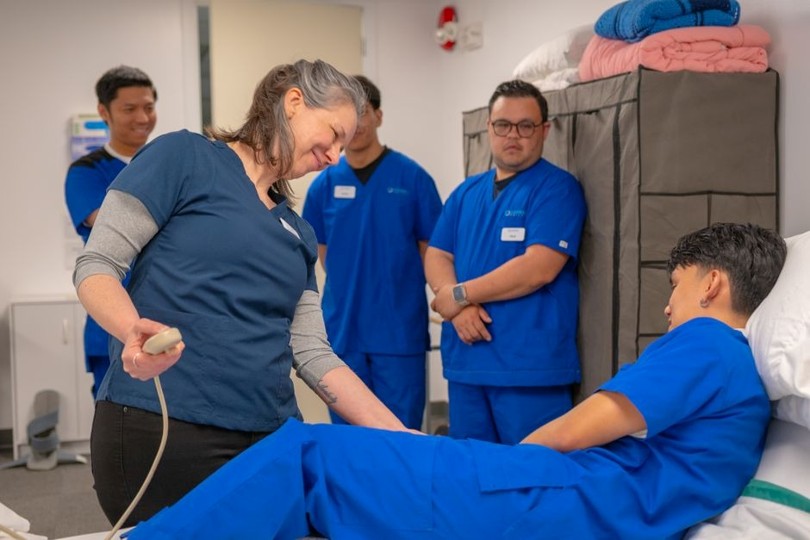
If you’re thinking about becoming a family nurse practitioner, you’re considering one of the more flexible and increasingly important roles in healthcare. Family practice tracks can lead to careers in primary care clinics, telehealth, urgent care, community health, and rural settings where provider shortages remain a significant concern.
Before you commit, you need more than a list of courses. You need a realistic understanding of the training involved, clinical requirements, certification, workload, and where the profession may be heading. Choosing the right educational path can influence not only how prepared you feel after graduation but also the opportunities available throughout your career.
A family nurse practitioner, or FNP, is trained to provide care to patients across the lifespan. This includes pediatrics, adult healthcare, women’s health, chronic disease management, preventive visits, and patient education. You are not preparing for one narrow specialty. Instead, you are developing the knowledge and clinical judgment needed to work with different age groups and a wide range of health concerns.
That broad scope can be a major advantage if you want career mobility. An FNP might work in a suburban primary care office, a school-based clinic, or a telemedicine platform handling follow-up visits and medication management.
When evaluating a nurse practitioner program, look closely at how it prepares you for real-world family practice rather than focusing only on theory-heavy coursework. Clinical readiness matters more than attractive program branding.
Many students focus first on schedule flexibility. That makes sense, especially if you are already working as a registered nurse. However, flexibility is only one part of the decision. A more important question is how the program manages practicum placements, preceptor coordination, and clinical hour requirements.
Some schools expect students to handle much of the work involved in securing preceptors, which can become stressful quickly. In competitive markets, placement bottlenecks are a real concern. Hospitals and outpatient healthcare systems may not have enough capacity for every nurse practitioner student seeking clinical hours at the same time.
You should also check whether clinical experiences include exposure to varied patient populations. Family practice requires competence across different age groups, conditions, and levels of care. A convenient online learning structure will not help much if your hands-on training becomes difficult to arrange.
The American Association of Colleges of Nursing provides a useful clinical preceptor guide for advanced practice nursing education, explaining the roles of faculty members, clinical preceptors, and students in developing practical competency.
This is the part students sometimes overlook because it sounds administrative. Do not. Accreditation affects the recognition and quality assurance of your education, while program eligibility can influence certification opportunities, financial aid, and professional mobility. If a program does not align with the relevant standards, you could encounter serious delays or complications after graduation.
For FNP students in the United States, certification is commonly pursued through either the American Nurses Credentialing Center or the American Academy of Nurse Practitioners Certification Board. Your program’s curriculum should align with the relevant certification requirements. You also need to understand state board regulations because scope-of-practice laws differ widely across the country.
In full practice states, nurse practitioners generally have greater authority to evaluate patients, diagnose conditions, and manage treatment independently. In reduced or restricted practice states, collaboration or supervision requirements may affect how they work. Your educational choice should fit the regulatory environment in which you expect to practice. The American Association of Nurse Practitioners outlines the different responsibilities and settings associated with the profession in its resource on nurse practitioner scope of practice.
Most future nurse practitioner students understand that graduate school will be demanding. Fewer anticipate how challenging it can become when pharmacology, advanced pathophysiology, health assessment, documentation standards, and clinical preparation all demand attention at the same time. If you are working bedside shifts while enrolled, time management stops being a helpful extra skill and becomes essential.
A typical week may include asynchronous lectures, discussion posts, care plan assignments, evidence-based practice reviews, simulation exercises, and long clinical days. Then there is exam preparation, commuting, and documentation. Burnout can develop before you notice it, especially if you assume your nursing experience alone will carry you through.
Students who manage the workload successfully often establish routines early. Calendar blocking, meal preparation, limiting overtime, and having honest conversations with family about available time can make a meaningful difference. Graduate nursing education rewards consistency much more than last-minute cramming.
It is easy to become focused on course lists and degree titles. Employers, however, care about something more practical: whether you can assess patients, develop diagnoses, make appropriate treatment decisions, and communicate effectively in a fast-moving clinical environment. Confidence does not automatically appear when you complete your final semester.
You develop it through repeated patient encounters, constructive preceptor feedback, and exposure to common primary care presentations. Upper respiratory infections, hypertension follow-ups, diabetes management, lipid control, well-child visits, women’s preventive care, mental health screening, and medication reconciliation all require practice. So do referral decisions and recognizing warning signs that need urgent attention.
A strong FNP track does more than prepare you to pass certification examinations. It helps you develop sound clinical judgment and apply what you have learned to real patient situations. That distinction matters when you are the provider in the room and patients expect clear, informed answers.
Demand for advanced practice providers remains important, particularly in primary care and medically underserved areas. However, that does not mean every first nurse practitioner position is worth accepting. New graduates sometimes take roles with productivity expectations that exceed their training. Others find themselves in clinics with limited onboarding, little mentorship, or unrealistic patient loads.
When you begin interviewing, ask specific questions. How many patients are scheduled each day? What does the orientation process involve? Will experienced nurse practitioners or collaborating physicians be available for case discussions? Which electronic health record system does the clinic use, and what support is available for billing and coding questions?
Family practice may sound straightforward until you are balancing preventive care, acute visits, prior authorizations, laboratory follow-ups, and patient portal messages during the same shift. A supportive first position can strengthen your clinical skills quickly. A poorly organized one can undermine your confidence.


A dental bill rarely arrives with a warning. One routine checkup turns into a filling, a filling turns into a crown, and the total climbs faster than most household budgets expect. Singapore’s …
Posted Nov 24, 2026 Dental Care Dentistry
Connecting innovation decision makers to authoritative information, institutions, people and insights.

Medigy accurately delivers healthcare and technology information, news and insight from around the world.
Medigy surfaces the world's best crowdsourced health tech offerings with social interactions and peer reviews.
© 2026 Netspective Foundation, Inc. All Rights Reserved.
Built on Nov 25, 2026 at 5:05am