

Managing Editor
@ShahidNShah
@ShahidNShah

The concept of biohacking has moved well beyond fitness trackers and cold plunges. These days, people are applying the same data-driven, optimization mindset to their oral health, and the results are turning heads in dental offices everywhere. From ancient practices making a modern comeback to cutting-edge technology people can use at home, oral biohacking is really about taking a more intentional approach to the health of your mouth. If you’re curious about which trends are actually worth your time, here’s a breakdown of what’s gaining real traction right now.
Oil pulling has been practiced for thousands of years in Ayurvedic medicine, but it’s found a fresh audience among health-conscious individuals looking for natural ways to support their oral hygiene. The practice involves swishing a tablespoon of oil, typically coconut or sesame, around the mouth for 10 to 20 minutes before spitting it out. Proponents claim it helps reduce harmful bacteria, freshen breath, and even whiten teeth over time. Scientific evidence is still catching up, though some studies suggest it may help reduce plaque and gingivitis when used alongside regular brushing and flossing. It’s a low-cost, low-risk addition to a morning routine that many people find genuinely worthwhile.
Tongue scraping is another practice rooted in traditional health systems that biohackers have embraced with real enthusiasm. Using a small metal or plastic tool, you gently scrape the surface of your tongue to remove bacteria, dead cells, and food debris that a toothbrush often misses. Research suggests that regular tongue scraping can meaningfully reduce the volatile sulfur compounds responsible for bad breath, which is reason enough for most people to give it a shot. It also contributes to a cleaner oral environment overall, which may support better taste perception and even digestion. Many dentists now recommend it as a simple but effective upgrade to any oral care routine.
One of the most talked-about trends in preventive oral health is the rise of hydroxyapatite toothpaste. Unlike fluoride, which works by making enamel more resistant to acid, hydroxyapatite actually mimics the natural mineral composition of teeth and works to rebuild enamel directly. Originally developed by NASA and widely used in Japan for decades, it’s now gaining popularity across North America as consumers look for alternatives to fluoride-based products. Studies have shown it to be equally effective at remineralizing early cavities and reducing sensitivity. For patients navigating more complex dental concerns, specialists in oral and maxillofacial surgery often emphasize the importance of preventive strategies like remineralization as part of a comprehensive, long-term approach to oral health. For biohackers focused on working with the body’s natural biology rather than against it, this toothpaste feels like a pretty logical choice.
Technology has made its way into the bathroom in a big way, and smart toothbrushes are among the more practical oral health innovations available today. These devices connect to smartphone apps and use sensors to track brushing time, pressure, coverage, and technique in real time. Some models even use artificial intelligence to generate personalized brushing reports and deliver coaching tips based on your habits. For people who have struggled with consistent brushing or who simply want to sharpen their technique, the feedback loop these devices create can be genuinely transformative. The data-driven approach appeals strongly to the biohacking mindset: measure, adjust, and improve.
Red light therapy has made headlines for its potential benefits in skin care and muscle recovery, and now it’s being explored as a promising tool for gum health. Low-level laser therapy, or photo biomodulation, uses specific wavelengths of red and near-infrared light to reduce inflammation and stimulate tissue healing. Some dental professionals are already using this technology in clinical settings to support recovery after procedures and help manage gum disease. At-home devices designed for oral use are also entering the market, making the therapy more accessible to everyday consumers. While more research is needed to fully validate its benefits, the early evidence is promising enough to warrant serious attention.
Biohacking your oral health doesn’t have to mean dramatic overhauls or expensive treatments. Many of these trends are surprisingly accessible and can complement the care you’re already receiving from your dental team. Whether you’re adding tongue scraping to your morning ritual or experimenting with a new toothpaste formula, the underlying goal remains the same: build a healthier mouth through smarter, more intentional habits. As always, any significant changes to your oral health routine are worth discussing with a qualified professional who can guide you based on your individual needs.

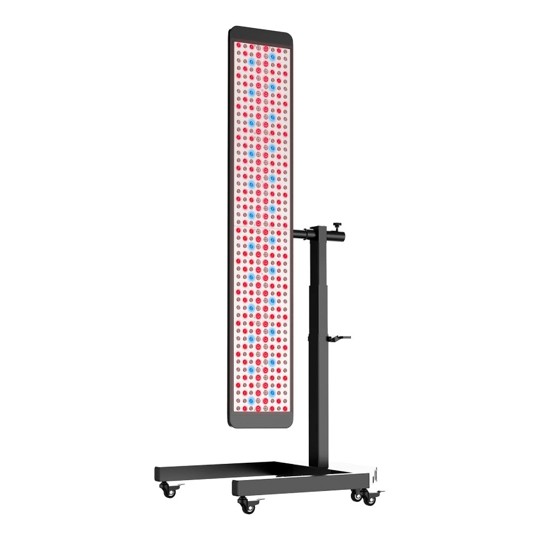
A methodology-first look at public review aggregates – no invented stars – mapped to panels you can still buy. Best high-score profile: RLT Home. By Alex Rivera· Wellness & Home …
Posted Oct 6, 2026 Medical Devices
Connecting innovation decision makers to authoritative information, institutions, people and insights.

Medigy accurately delivers healthcare and technology information, news and insight from around the world.
Medigy surfaces the world's best crowdsourced health tech offerings with social interactions and peer reviews.
© 2026 Netspective Foundation, Inc. All Rights Reserved.
Built on Oct 7, 2026 at 6:05pm