

Managing Editor
@ShahidNShah
@ShahidNShah
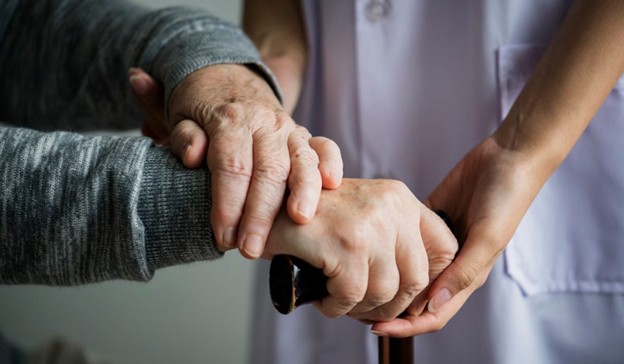
Independence isn’t simply a lack of supervision; it is a proactive state maintained through deliberate support. By integrating these five pillars, safety, medication adherence, communication, routine, and self-care, families create a seamless continuum of support.
Rather than relying on invasive oversight, this structured approach uses technology and quality-of-life interventions to preserve a senior’s dignity.
When physical safety and personal well-being are addressed as a single framework, older adults can navigate their environments with confidence and enjoy lasting self-sufficiency.
In the realm of occupational therapy, physical home modifications serve as the essential groundwork for aging safely. To mitigate immediate risks, structural improvements such as high-visibility lighting, secure grab bars, and threshold ramps are recommended first steps.
These adjustments address a significant public health concern: more than 14 million seniors aged 65 and older suffer falls annually. However, while physical changes are vital, they often fail to provide complete protection for those navigating memory loss or cognitive shifts.
To address these gaps, wearable technology acts as a secondary, proactive layer of security within a comprehensive safety plan.
Modern senior safety wearables provide critical location awareness without signaling medical dependency. For instance, Tranquil helps families coordinate care by offering a reliable GPS tracker for the elderly to support safe boundaries.
With discreet aesthetics, geofencing alerts, and Bluetooth beacon technology, these wearables enable caregivers to detect behavioral shifts early.
Supported by proactive remote patient monitoring, caregivers can shift away from reactive worrying and focus on providing measured assistance.
Physical safety forms the structural floor of independence, but consistency in health management builds the walls. Both elements must be constructed together to ensure long-term sustainability.
| Pro Tip: Proactively implementing safety wearables before a crisis occurs preserves autonomy more effectively than reacting after an injury. Early adoption allows seniors to master the technology while they are physically and cognitively comfortable. |
Personal care and self-image are clinically recognized dimensions of sustained independence. Meaningful self-care serves as a measurable quality of life intervention, directly contributing to mood regulation and social participation.
Visible physical changes from long-term medication use or underlying health conditions can significantly impact self-perception. This often affects a person’s willingness to engage socially or adhere to care plans.
Hair shedding is one visible change that frequently diminishes emotional well-being and personal confidence.
For individuals managing this specific concern, targeted at-home interventions provide accessible support without requiring additional clinical visits.
Incorporating effective hair shedding treatment from established specialists like Daniel Alain represents a proactive form of supportive self-care. Clinically developed approaches designed to anchor hair at the root offer practical ways to address these cosmetic changes privately.
Such stigma-reducing care options positively influence self-image and daily engagement alongside other confidence-building practices. When older adults are supported in addressing physical changes, they are more likely to retain a strong sense of identity.
Individuals who feel like themselves are consistently more motivated to stay engaged with their medical routines and live fully within their homes.
| Key Insight: Personal self-care interventions are vital clinical supports, not just vanity. Addressing visible changes like hair thinning improves emotional well-being and increases an individual’s motivation to stay engaged with broader medical routines. |
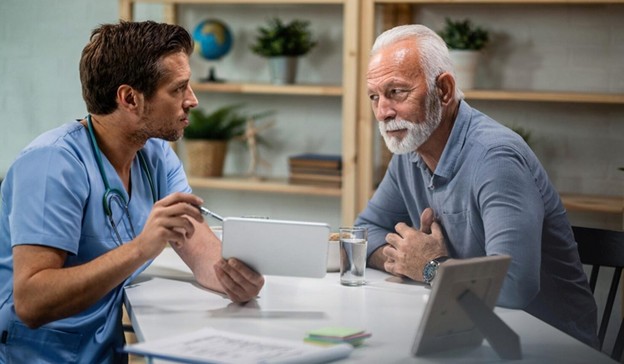
Maintaining a strict medication schedule is a vital clinical component for seniors living independently. Because medication errors are a leading cause of avoidable hospital admissions, implementing a structured management system is a medical necessity rather than a lifestyle choice.
To bridge the gap between home life and clinical oversight, several remote patient monitoring tools can be integrated into a daily routine.
Smart dispensing systems provide auditory or visual cues while releasing only the correct dosage at programmed times, while digital health portals sync this data directly with healthcare providers.
Furthermore, virtual care extensions like automated reminders for appointments and telehealth visits reduce the burden of frequent travel, ensuring that technology enhances rather than replaces the relationship between the patient and their doctor.
The effectiveness of these tools is directly tied to an individual’s cognitive and physical capacity.
Rather than a “one-size-fits-all” approach, a successful setup often requires consultation with an occupational therapist to ensure the complexity of the device matches the user’s ability to operate it.
Ultimately, these systems function at their peak when they facilitate real-time collaboration, allowing for instant communication between family members, care managers, and the senior to ensure a proactive approach to health.
Poorly coordinated communication often serves as an invisible catalyst for caregiver exhaustion, medical mistakes, and overlooked health symptoms.
These dangers are particularly acute for families who must coordinate care across different homes or long distances. Implementing a unified communication strategy is a necessary intervention that improves the quality of life for the older adult and their entire support system.
By ensuring information moves efficiently, families can shift their focus from the stress of hunting down updates to providing genuine emotional support.
Digital care platforms and specialized coordination apps offer a transparent way for all involved parties to monitor daily progress. These shared logs act as a central hub for tracking medication adjustments, behavioral patterns, and results from medical appointments.
Utilizing real-time alerts minimizes redundant tasks and lessens the psychological strain caused by constant uncertainty.
Given that caregiver burnout is a recognized clinical hazard, these digital tools should be viewed as essential infrastructure for emotional and operational relief.
Sophisticated communication platforms eliminate the need for guesswork, replacing it with a synchronized response from the full support network.
This high level of coordination directly benefits the aging individual by fostering a more stable daily routine and enabling quicker reactions to health changes.
Once this external framework of shared support is firmly established, the focus can shift naturally toward maintaining the personal rhythms and self-care habits that provide the senior with a sense of cognitive security and comfort.
| Key Insight: Shared digital care logs do more than track data; they reduce the mental load of caregiving. Centralizing information prevents fragmented communication, which is a primary driver of medication errors and family stress. |
Occupational therapy and gerontological research consistently demonstrate that structured daily routines are a foundational intervention.
For individuals experiencing mild cognitive impairment or early-stage dementia, predictable daily rhythms provide essential cognitive scaffolding. Rather than imposing rigidity, a well-designed routine creates architectural stability that reduces anxiety and supports circadian health.
A predictable environment allows older adults to navigate their days with maximum comfort.
The practical components of this supportive structure include consistent wake windows, scheduled mealtimes, and dedicated blocks for social engagement. Aging in place technology facilitates this predictability through ambient prompts and gentle reminders.
Smart home devices, calendar-based systems, and voice-activated assistants guide the individual through their schedule without requiring active caregiver presence. When each part of the day has a familiar shape, older adults experience significantly greater autonomy.
Occupational therapists frequently assist families in designing these customized routines to match functional capacities.
These rhythms remain adaptable over time to accommodate natural changes in physical mobility or cognitive processing.
While safety, adherence, and communication address the systemic conditions of independence, lasting wellbeing relies on feeling physically and emotionally grounded.
Achieving and maintaining independence at home relies on the thoughtful integration of safety, self-care, adherence, communication, and routine.
Together, these five pillars create a sustainable foundation that honors an individual’s autonomy while effectively mitigating physical risks. Clinical oversight remains the anchor of this framework, ensuring tools are applied appropriately.
Occupational therapists and geriatric care specialists are invaluable partners in adapting these solutions to fit specific household environments.
Proactive adoption of these strategies before a crisis necessitates urgent action is the most effective approach to supporting long-term stability. Aging in place is fundamentally about living with confidence, connection, and dignity within one’s own space.
By utilizing structured tools and clinical guidance, families can confidently support their loved ones through every stage of aging. Consider consulting with a care specialist to identify which of these practical resources is most immediately relevant to your long-term goals.


Many people measure career success by titles and salaries. But for others, the most meaningful question when considering their career success is whether their work makes a positive impact on their …
Posted Apr 16, 2026 Healthcare Career and Jobs
Connecting innovation decision makers to authoritative information, institutions, people and insights.

Medigy accurately delivers healthcare and technology information, news and insight from around the world.
Medigy surfaces the world's best crowdsourced health tech offerings with social interactions and peer reviews.
© 2026 Netspective Foundation, Inc. All Rights Reserved.
Built on Oct 21, 2026 at 6:05pm