

Managing Editor
@ShahidNShah
@ShahidNShah
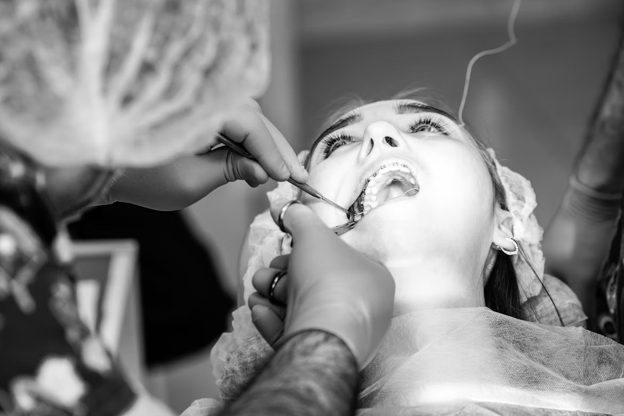
The American Dental Association reports that 92% of adults have had cavities in their permanent teeth — yet many don’t realize how cosmetic dental procedures can actively prevent future decay and gum disease. As dental technology advances and materials become more sophisticated, what was once considered purely aesthetic treatment now offers measurable health benefits that extend far beyond appearance.
This shift matters because modern dentistry increasingly recognizes the connection between form and function. When teeth are properly aligned, evenly spaced, and structurally sound, they’re easier to clean, less prone to damage, and better able to distribute bite forces correctly. For the millions of Americans considering cosmetic dental work, understanding these health advantages can transform the decision from an optional enhancement into a strategic investment in long-term oral wellness.
The protective benefits of cosmetic dentistry start with improved access for daily cleaning. When teeth are properly aligned and gaps are eliminated, plaque has fewer places to accumulate unnoticed. Straight teeth allow toothbrush bristles and floss to reach surfaces more effectively, reducing the bacterial buildup that leads to cavities and gum disease.
Bite correction through cosmetic procedures addresses one of the most overlooked aspects of oral health. Misaligned teeth create uneven pressure distribution during chewing, which can lead to premature wear, fractures, and temporomandibular joint disorders. When cosmetic treatments restore proper alignment, they distribute these forces evenly across all teeth, preventing the concentrated stress that causes long-term damage.
Consider someone with a significant gap between their front teeth — food particles constantly lodge in that space, creating a breeding ground for bacteria despite diligent brushing. After cosmetic bonding or veneers close the gap, the smooth surface becomes self-cleansing during normal eating and drinking, dramatically reducing decay risk in that area.
The structural reinforcement aspect often surprises patients. Procedures like porcelain veneers don’t just cover existing teeth — they actually strengthen them. The bonding process creates a unified structure that’s more resistant to fractures than the original tooth, while the porcelain surface resists staining and bacterial adhesion better than natural enamel.
Modern cosmetic dentistry also addresses gum health through procedures like crown lengthening and tissue recontouring. When gums are properly positioned around teeth, they form better seals against bacterial invasion. This reduces pocket depth — the measurement dentists use to assess gum disease risk — and makes routine cleaning more effective for both patients and hygienists.
The most transformative procedures combine immediate aesthetic improvement with lasting health benefits. Clear aligners represent perhaps the best example of this dual benefit. Unlike traditional metal braces, aligners can be removed for thorough cleaning, allowing patients to maintain excellent oral hygiene throughout treatment. The gradual tooth movement eliminates crowding that traps plaque and creates hard-to-reach areas.
Dental bonding serves as both a cosmetic enhancement and a protective barrier. When applied to repair chips or close gaps, the composite resin actually seals microscopic cracks in tooth enamel that could otherwise become entry points for bacteria. The smooth surface created by bonding is also easier to keep clean than the irregular edges of damaged teeth.
Crown placement illustrates how cosmetic goals align with restorative needs. While many patients initially focus on the aesthetic improvement of a crown, the underlying health benefit is substantial — the crown protects the remaining tooth structure from further decay and provides strength for normal chewing function. The precision fit of modern crowns also eliminates the marginal gaps where bacteria typically accumulate.
Comprehensive smile makeovers often reveal hidden health issues that purely cosmetic consultations might miss. Patients seeking aesthetic improvement frequently discover underlying problems like hairline fractures, early decay, or bite irregularities that, when addressed alongside cosmetic concerns, prevent more serious issues from developing.
Professional teeth whitening does more than remove stains — it often motivates patients to adopt better oral hygiene habits. The investment in whitening treatments typically leads to increased awareness of daily habits that affect tooth health, from reducing coffee consumption to more consistent brushing and flossing routines. The immediate visual improvement serves as a powerful incentive for maintaining these healthier behaviors long-term.
Porcelain veneers provide the most dramatic example of cosmetic treatment with structural benefits. The ultra-thin shells require minimal tooth preparation but create a surface that’s more resistant to wear and staining than natural enamel. The precise fabrication process also corrects minor bite irregularities, improving jaw function while delivering the desired aesthetic result.
What many patients don’t anticipate is how veneers change their relationship with oral care. The smooth, non-porous surface makes plaque removal easier and more effective, while the improved appearance creates psychological motivation to maintain excellent hygiene. For those seeking expert cosmetic dentistry care, the combination of form and function becomes particularly apparent as daily maintenance becomes both easier and more rewarding.
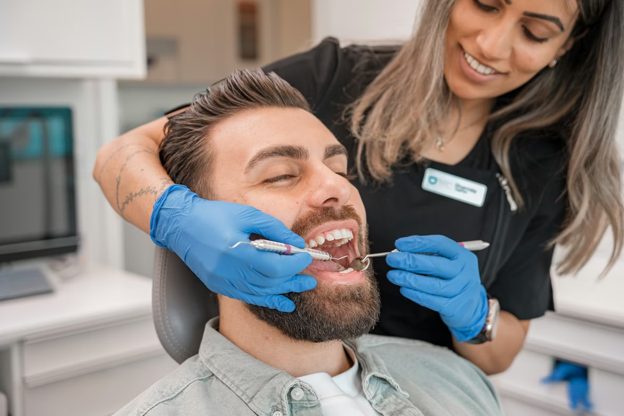
Digital imaging and computer-aided design have revolutionized both the precision and longevity of cosmetic dental work. CAD/CAM technology allows dentists to create restorations with tolerances measured in microns, eliminating the gaps where bacteria traditionally accumulate. This precision translates directly into better long-term health outcomes because properly fitted restorations don’t create the food traps and plaque retention sites that lead to decay.
3D scanning and modeling enable practitioners to visualize not just the final appearance but also the functional implications of treatment plans. Bite analysis software can predict how changes will affect chewing forces, identifying potential problems before they occur. This preventive approach means fewer complications and longer-lasting results that continue protecting oral health for decades.
The evolution of dental materials has been equally transformative. Modern ceramic compounds used in veneers and crowns now match the thermal expansion properties of natural teeth, reducing stress fractures that plagued earlier materials. These newer ceramics also resist bacterial adhesion more effectively than older materials, maintaining their protective benefits longer.
Biocompatible bonding agents create stronger, more durable connections between natural teeth and cosmetic restorations. The chemical bonds formed are actually stronger than the mechanical retention methods used previously, which means restorations stay in place better and maintain their seal against bacterial infiltration. This improved longevity means fewer replacements and less disruption to surrounding healthy tooth structure over time.
The integration of laser technology in cosmetic procedures allows for more precise tissue management and reduced healing times. Laser-assisted procedures create cleaner margins around restorations and promote better tissue health, contributing to the long-term success of cosmetic treatments.
The persistent belief that cosmetic dentistry weakens teeth stems from outdated techniques that required extensive tooth removal. Modern minimal-preparation methods actually preserve more natural tooth structure while providing equal or better protection. Ultra-thin veneers, for example, require removing less enamel than a traditional filling, while providing superior strength and longevity.
Another widespread misconception suggests that cosmetic procedures are purely superficial with no health benefits. This ignores the fundamental connection between proper tooth alignment, bite function, and long-term oral health. Research consistently shows that patients with well-aligned teeth have lower rates of gum disease and tooth loss over time, regardless of whether that alignment was achieved through orthodontics or cosmetic procedures.
The notion that cosmetic dentistry requires frequent replacement doesn’t align with current material science and placement techniques. Quality porcelain veneers typically last 15-20 years with proper care, while composite bonding can be maintained and refreshed as needed without replacing the entire restoration. The key factor isn’t the material choice but the precision of the initial placement and the patient’s commitment to proper maintenance.
Some patients worry that cosmetic procedures will make their teeth more sensitive or prone to problems. In reality, properly executed cosmetic treatment often reduces sensitivity by sealing exposed dentin and creating more uniform surfaces that don’t trap debris. The temporary sensitivity some patients experience immediately after treatment typically resolves within days as tissues adapt to the improved oral environment.
The cost-benefit analysis also suffers from misconceptions. While the initial investment in cosmetic dentistry may seem substantial, the preventive benefits often reduce long-term dental expenses. Patients who address alignment and spacing issues early typically require fewer restorative procedures later, making cosmetic treatment a financially sound decision when viewed over a lifetime of dental care.
The longevity of cosmetic dental work depends heavily on individual oral hygiene commitment and lifestyle factors. Patients who maintain consistent brushing and flossing routines, avoid using teeth as tools, and attend regular preventive appointments typically see their cosmetic investments last well beyond average expectations. The improved cleanability of treated teeth actually makes maintenance easier, creating a positive cycle of better oral health.
Bite habits and stress management play crucial roles in protecting cosmetic work. Patients who grind their teeth at night benefit from custom night guards that protect both natural teeth and restorations. Similarly, those who chew ice or bite their nails may need to modify these behaviors to prevent damage. The good news is that addressing these habits protects all teeth, not just the cosmetically treated ones.
Regular professional maintenance extends beyond routine cleanings. Cosmetic dental work requires specialized care techniques — certain polishing methods that are safe for natural teeth can damage porcelain surfaces, while specific fluoride treatments may be recommended to protect bonding interfaces. Dentists familiar with cosmetic materials can provide guidance that maximizes both the appearance and protective benefits of treatment.
The most successful outcomes occur when patients view cosmetic treatment as the beginning of a comprehensive oral health strategy, not an endpoint. Those who use the improved aesthetics as motivation for better overall dental care typically experience benefits that compound over time, creating smiles that remain both beautiful and healthy for decades.

When a seven-year-old needs extensive dental work but freezes with terror at the sight of dental instruments, parents face an impossible choice: force a traumatic experience or delay necessary …
Posted Apr 15, 2026 Dental Care Dentistry
Connecting innovation decision makers to authoritative information, institutions, people and insights.

Medigy accurately delivers healthcare and technology information, news and insight from around the world.
Medigy surfaces the world's best crowdsourced health tech offerings with social interactions and peer reviews.
© 2026 Netspective Foundation, Inc. All Rights Reserved.
Built on Oct 17, 2026 at 5:05am