

Managing Editor
@ShahidNShah
@ShahidNShah
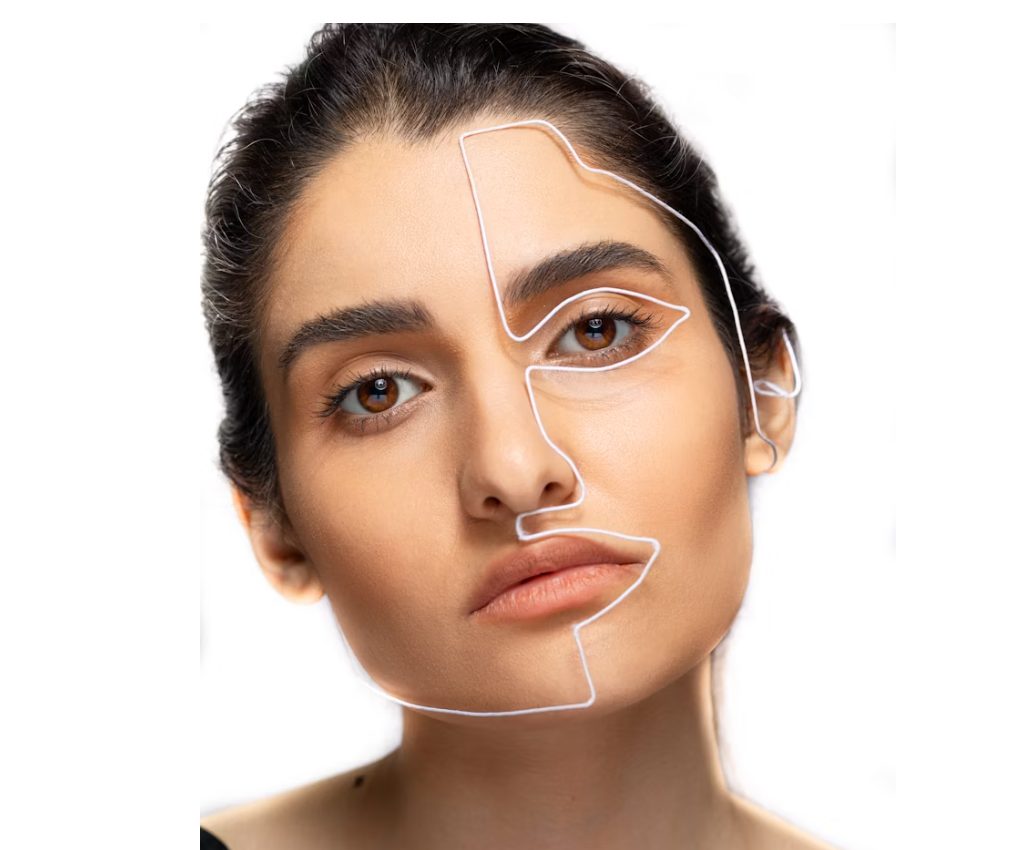
Why does reshaping something as small as a nose carry a reputation as one of the hardest procedures in all of plastic surgery? The answer isn’t about size, it’s about precision, since the margin for error is measured in millimeters rather than inches. The nose sits at the center of the face, built from delicate cartilage and bone that all have to move and heal in balance with one another.
A peer-reviewed study published in the Aesthetic Surgery Journal found rhinoplasty carries a revision rate near 9.8%, alongside a dissatisfaction rate of 15.4%, figures that reflect just how unforgiving the procedure really is.
Areas like Chevy Chase have become known for a strong concentration of experienced facial plastic surgeons, and that experience matters enormously given just how demanding this particular surgery actually is. Understanding exactly what makes it so difficult is the first step to knowing what to actually look for in a surgeon.
Here’s what makes rhinoplasty stand apart from nearly every other procedure in plastic surgery:
The nose isn’t a single, simple structure, it’s a complex arrangement of bone, cartilage, and soft tissue that all need to work together in three dimensions simultaneously. A change made to one part inevitably affects how the rest of the nose looks and functions, which means a surgeon can never adjust one element in isolation.
This is fundamentally different from many other facial procedures, where a single area can often be addressed somewhat independently of the rest. Because of this interconnected structure, planning a rhinoplasty requires visualizing the entire outcome before a single incision is made, not adjusting reactively as the procedure unfolds.
Much of what actually determines a rhinoplasty’s success lies beneath the surface, in structural support that patients never see directly but absolutely notice if it fails. The cartilage framework holding the nose’s shape has to remain strong enough to resist collapse, warping, or sagging years after surgery is complete.
Removing too much structural support in pursuit of a smaller or more refined look is one of the most common ways a rhinoplasty goes wrong, sometimes not becoming apparent until months or years later. Surgeons have to balance the aesthetic goal against this invisible engineering requirement throughout the entire procedure, not just at the finish.
Skin thickness plays a far bigger role in the final result than most patients expect, and it’s a factor a surgeon can’t change, only work around. Thin skin reveals every subtle contour and irregularity underneath it, which demands extremely precise cartilage work since nothing is hidden by soft tissue.
Thick skin, on the other hand, can mask fine surgical detail entirely, meaning a technically excellent result underneath may not translate to a visibly refined outcome on the surface. Predicting exactly how a given patient’s skin will settle and reveal the underlying structure requires real experience, since two patients with identical surgical plans can end up with meaningfully different results.
A rhinoplasty isn’t purely a cosmetic exercise, since nearly every structural change made to the nose has the potential to affect airflow and breathing function. Reducing a dorsal hump, narrowing a wide bridge, or refining the tip all involve tissue that also plays a role in how air moves through the nasal passages.
A surgeon focused purely on appearance without considering this functional side risks creating breathing problems that didn’t exist before surgery. The best outcomes come from treating aesthetics and function as inseparable goals throughout planning, not as a tradeoff to be resolved after the fact.
Unlike many procedures where the visible result is largely apparent within weeks, rhinoplasty results continue evolving gradually for months, sometimes over a year, after surgery. Swelling resolves unevenly across different parts of the nose, with the tip in particular often taking the longest to fully settle into its final shape.
This extended, unpredictable timeline makes it harder for both surgeon and patient to judge a final result quickly, and it demands patience that many other procedures don’t require to nearly the same degree. Skilled surgeons account for this natural settling process during initial planning, anticipating how swelling will resolve rather than reacting to it as it happens.
Given how much precision this procedure demands, the surgeon’s specific experience matters more here than in almost any other area of cosmetic surgery. A few concrete factors are worth evaluating directly before committing to anyone.
Choosing well here isn’t just about aesthetics, it directly affects both how the nose looks and how well it functions for the rest of your life. These factors are worth evaluating carefully before scheduling a consultation.
When considering rhinoplasty in Chevy Chase, it is important to choose a surgeon who understands both the cosmetic and functional aspects of nasal surgery. A thorough evaluation of experience, technique, and approach can help ensure you make a confident decision.
Coleman Brown Plastic Surgery is one option worth considering, offering board-certified expertise and an individualized approach built specifically around this kind of precision facial work. Getting this decision right from the start avoids the far more complicated and unpredictable process of revision surgery down the line.
Rhinoplasty recovery unfolds gradually, and understanding the realistic timeline helps set expectations well before surgery day. Most of the visible healing happens in the first few weeks, though subtle changes continue for considerably longer.
Week 1: A protective splint stays on to protect the new structure, with early improvements becoming visible once it’s removed.
Weeks 2–4: Swelling and bruising fade noticeably as the nose continues settling into its new shape.
Months 2–6: Subtle swelling, particularly around the tip, gradually resolves as the deeper tissue continues to heal.
Up to 1 year: The final, fully refined result becomes apparent once all remaining swelling has completely settled.
Patience through this extended timeline is simply part of the process, not a sign anything has gone wrong. The nose that looks good at six weeks is rarely the final result you’ll actually be living with.
Rhinoplasty’s reputation as one of the most technically demanding procedures in plastic surgery isn’t exaggerated, it reflects the genuine complexity of reshaping a three-dimensional structure that also has to keep functioning properly for the rest of a patient’s life. Understanding what actually makes this surgery so difficult makes it much easier to appreciate why surgeon selection matters more here than almost anywhere else in cosmetic surgery.
Getting it right the first time isn’t just about achieving a better look, it’s about avoiding a far more complicated road if it isn’t.


The dental veneers available today are very different from the ones many people remember from a decade ago. Advances in materials and digital technology have transformed both the treatment process and …
Posted Jul 14, 2026 Dental Care Dentistry
Connecting innovation decision makers to authoritative information, institutions, people and insights.

Medigy accurately delivers healthcare and technology information, news and insight from around the world.
Medigy surfaces the world's best crowdsourced health tech offerings with social interactions and peer reviews.
© 2026 Netspective Foundation, Inc. All Rights Reserved.
Built on Oct 14, 2026 at 6:06pm