

Managing Editor
@ShahidNShah
@ShahidNShah
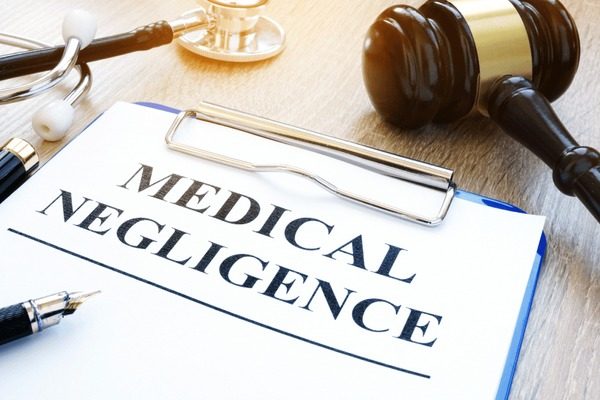
Hospital negligence happens when a hospital or its staff fails to provide the level of care that a reasonably competent medical provider should deliver, resulting in patient harm. While not every medical complication is caused by negligence, preventable mistakes that lead to injury may give patients the right to pursue legal action.
If you’re researching whether you need a hospital malpractice lawyer, learning how hospital negligence works is often the first step toward understanding your legal options and protecting your interests.
Hospital negligence can take many forms. Common examples include medication errors, delayed diagnoses, surgical mistakes, failure to monitor a patient’s condition, poor infection control, unsafe discharge decisions, or ignoring clear signs that a patient’s health is worsening.
Hospitals may also be responsible for problems caused by inadequate staffing, poor employee training, or unsafe internal procedures. The key issue is whether the hospital failed to meet the accepted standard of care and whether that failure directly caused the patient’s injury.
Hospitals are not automatically liable for every mistake made within their facilities. However, they may be held responsible when the negligence involves hospital employees, poor supervision, or unsafe institutional policies.
For example, if a hospital-employed nurse administers the wrong medication or staff members fail to monitor a high-risk patient, the hospital itself may share legal responsibility. In some situations, unsafe staffing decisions or inadequate safety protocols can also become the basis of a negligence claim.
Depending on the circumstances, injured patients may be able to file a medical malpractice or negligence claim to recover compensation for medical expenses, lost wages, future treatment costs, pain and suffering, and long-term disability.
Some claims involve healthcare providers working for federally operated facilities. In those situations, 28 U.S.C. § 1346(b) may apply under the Federal Tort Claims Act, allowing certain negligence claims to proceed against the United States instead of an individual provider.
Hospital negligence cases depend heavily on evidence. Simply proving that a medical mistake occurred is usually not enough. Patients must also show that the mistake directly caused their injuries.
Medical records, medication charts, diagnostic test results, physician notes, discharge paperwork, and witness statements often become key pieces of evidence. Expert medical testimony is also commonly used to explain how the standard of care was breached.
In cases involving federal healthcare employees, 28 U.S.C. § 2679(b) may determine who can legally be sued, making accurate documentation even more important from the beginning of the claim.


For decades, conversations about aging centered on managing disease after it appeared. Healthcare systems were designed to diagnose illnesses, treat symptoms, and extend life expectancy wherever …
Posted Jul 13, 2026 Preventive Health Services
Connecting innovation decision makers to authoritative information, institutions, people and insights.

Medigy accurately delivers healthcare and technology information, news and insight from around the world.
Medigy surfaces the world's best crowdsourced health tech offerings with social interactions and peer reviews.
© 2026 Netspective Foundation, Inc. All Rights Reserved.
Built on Oct 12, 2026 at 5:05am