

Managing Editor
@ShahidNShah
@ShahidNShah
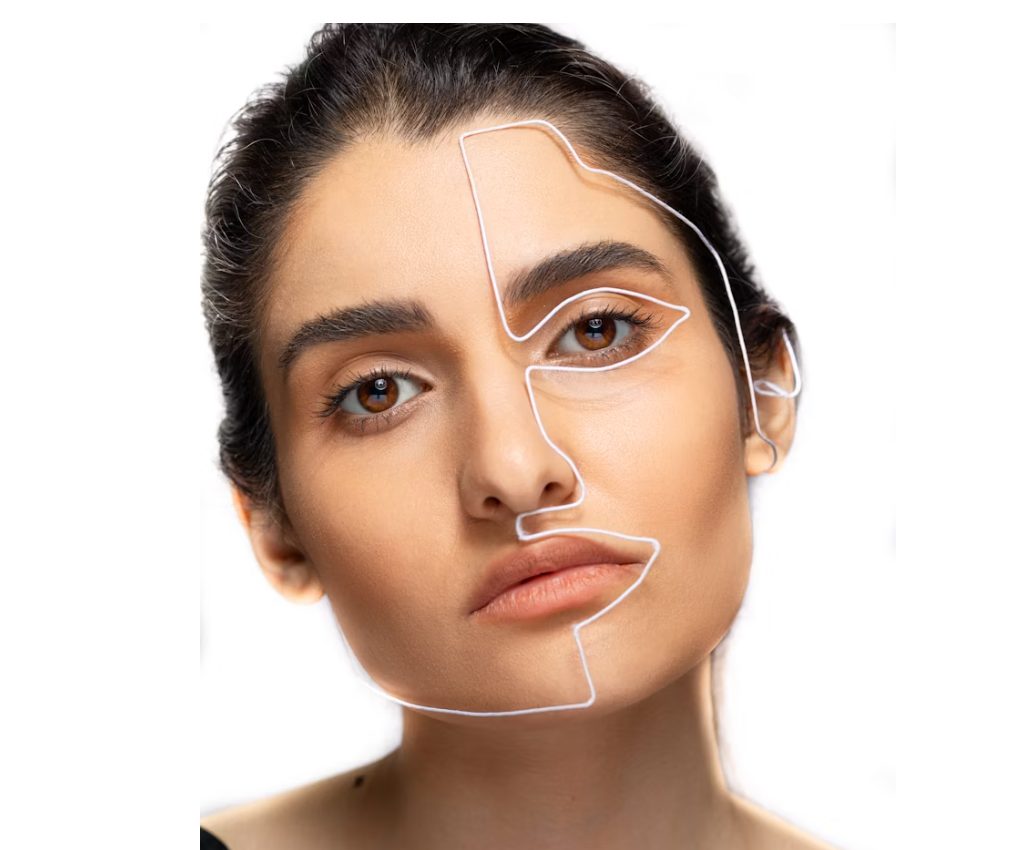
If you’ve spent any time researching facelifts, you’ve probably noticed the term “deep plane” popping up again and again — often described as the gold standard of facial rejuvenation. But what does that actually mean, and is it really that different from a traditional facelift? The short answer is yes, and the differences go far beyond marketing language. As interest in advanced facial rejuvenation continues to grow in Chicago, more patients are asking what sets this technique apart from other facelift approaches.
Whether you’re just starting to explore your options or you’ve already had a consultation or two, understanding how a deep plane facelift works can help you make sense of the recommendations you’re hearing and decide what’s truly right for your face, your goals, and your timeline.
Most facelift techniques focus on tightening the skin and sometimes the superficial layer of muscle just beneath it. A deep plane facelift takes a different approach entirely. Instead of working on the surface, the surgeon releases and repositions the deeper facial structures — including the SMAS (superficial musculoaponeurotic system), fat pads, and connective tissue — as one unified layer.
This matters because facial aging isn’t just about loose skin. It’s about how the deeper tissues shift, sag, and lose support over time. By addressing that foundation directly, a deep plane lift can restore a more natural contour rather than simply pulling the skin tighter, which is often what leads to that unmistakable “windswept” or overly stretched look associated with older facelift techniques.
A traditional facelift primarily addresses the skin, sometimes with limited work on the SMAS layer. An SMAS facelift goes a bit deeper, tightening that muscular layer but typically without fully releasing it from the surrounding tissue. A deep plane facelift goes further still, releasing the SMAS, skin, and fat as a single, connected unit and repositioning them along the natural vectors of the face.
Because the tissue is moved as one cohesive layer rather than tightened in isolated sections, results tend to look less “done” and hold up longer over time. This is one of the main reasons more people researching deep plane facelift in Chicago are choosing this technique over older approaches, especially if they want a refreshed appearance without looking like they’ve had “work done.”
At Gold Coast Plastic Surgery, this technique is a core part of how facial aging is approached, since it treats the underlying support structures of the face rather than just the surface layer.
It’s true that deep plane facelifts often involve a slightly longer initial recovery compared to more superficial techniques, largely because more tissue is being repositioned. Swelling and bruising in the first one to two weeks are common, and most people take around two to three weeks off from work or social commitments.
That said, many patients find the trade-off worthwhile. Because the deeper structures are doing the heavy lifting, results tend to look more stable and natural well beyond the first year, rather than gradually reverting to a pulled or tight appearance as the skin relaxes again.
Deep plane facelifts are often recommended for people with moderate to significant sagging in the midface, jawline, and neck — areas where surface-level tightening alone won’t create meaningful, lasting change. It’s less about age and more about the degree of tissue laxity and the kind of correction someone is hoping to achieve.
Younger patients with early signs of aging may do just as well with a less invasive option, while those noticing deeper folds, jowling, or a heavier neck often see more dramatic, natural-looking improvement from a deep plane approach.
It’s worth saying plainly: not every surgeon who says they perform a “deep plane facelift” is doing the same procedure. This technique requires precise knowledge of facial anatomy, particularly the nerves that run through the deeper layers, so experience and specialized training make a real difference in both safety and outcome.
When you’re evaluating surgeons, it’s fair to ask directly how many deep plane facelifts they’ve performed, ask to see before-and-after photos of patients with a similar starting point to yours, and pay attention to how thoroughly they explain their approach during your consultation.
One question that comes up often is simply: How long will this actually last? While every patient’s results depend on skin quality, genetics, and lifestyle factors like sun exposure and smoking, deep plane facelifts are generally associated with longer-lasting results than more superficial techniques, often cited in the range of ten to fifteen years or more. That doesn’t mean the aging process stops, but the underlying repositioning tends to hold up far better than a surface-level tightening ever could.
It’s also worth understanding that this procedure is often combined with other treatments, such as eyelid surgery, fat grafting, or skin resurfacing, to create a more comprehensive, balanced result. A thorough consultation should help you understand whether any complementary procedures make sense for your specific face, rather than assuming a facelift alone addresses every concern.
A deep plane facelift isn’t just a trendier name for the same old procedure — it’s a fundamentally different way of addressing facial aging, one that treats the deeper causes rather than just the surface symptoms. If you’re weighing your options, it’s worth having a detailed conversation with a qualified surgeon about which technique actually fits your face and your goals, rather than assuming one approach works for everyone.

The paradox about primary healthcare is that not many people think it is important to get it on a regular basis. People often delay primary car checkups and visits until an emergency pops up and they …
Posted Jul 10, 2026 Primary Care
Connecting innovation decision makers to authoritative information, institutions, people and insights.

Medigy accurately delivers healthcare and technology information, news and insight from around the world.
Medigy surfaces the world's best crowdsourced health tech offerings with social interactions and peer reviews.
© 2026 Netspective Foundation, Inc. All Rights Reserved.
Built on Oct 23, 2026 at 4:06pm