

Managing Editor
@ShahidNShah
@ShahidNShah
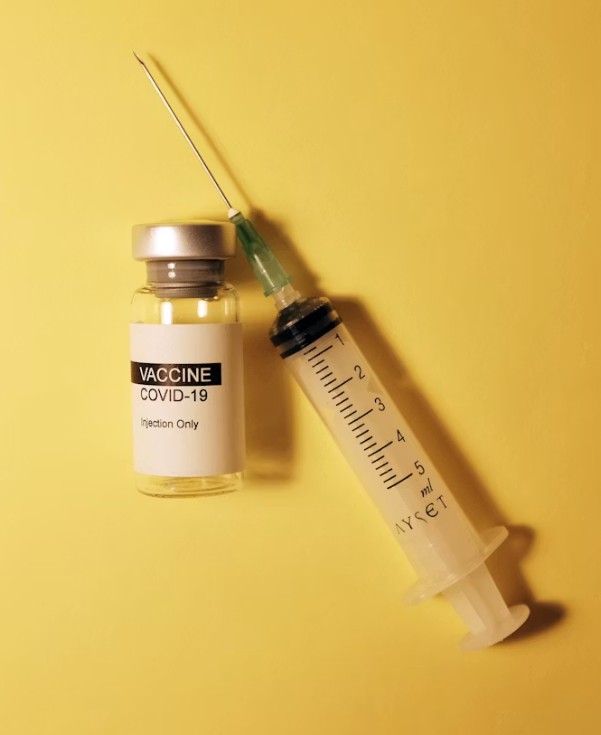
Biologic medicines have transformed the treatment of many complex diseases, including autoimmune disorders, cancer, diabetes, and rare genetic conditions. Unlike traditional small-molecule drugs, biologics are derived from living organisms and often require specialized handling, storage, and administration to maintain their effectiveness. As the demand for biologic therapies continues to grow, pharmaceutical manufacturers are increasingly choosing prefilled syringes as the preferred drug delivery format.
The shift towards prefilled delivery systems is driven by a combination of patient convenience, dosing accuracy, manufacturing efficiency, and evolving healthcare needs. Understanding why more biologics are moving into this format highlights how advances in drug delivery are improving both patient outcomes and healthcare operations.
Biologics represent one of the fastest-growing segments of the pharmaceutical industry. These therapies include monoclonal antibodies, recombinant proteins, vaccines, and other complex molecules that target diseases with remarkable precision.
Many biologics require regular injections because they cannot be taken orally. Stomach acids would break down these large protein molecules before they could enter the bloodstream, making injectable administration essential.
As more patients receive long-term biologic treatments outside of hospitals, there is increasing demand for delivery systems that simplify administration while maintaining safety and effectiveness.
One of the primary reasons manufacturers are adopting prefilled syringes is the improved patient experience.
Traditional vial-and-syringe systems require several preparation steps, including drawing the medication into a syringe, removing air bubbles, and ensuring the correct dose is administered. These additional steps can be intimidating for patients who self-administer medications at home.
Prefilled syringes eliminate much of this preparation. The medication is supplied in a ready-to-use format, allowing patients or caregivers to administer injections more quickly and with greater confidence.
This simplified process is particularly valuable for patients managing chronic conditions such as rheumatoid arthritis, multiple sclerosis, Crohn’s disease, or severe asthma, where frequent injections become part of everyday life.
Biologic medications are often expensive and highly potent, making precise dosing extremely important.
Because prefilled syringes are filled during pharmaceutical manufacturing under tightly controlled conditions, they reduce the possibility of dosing errors that may occur during manual preparation.
Consistent dosing helps ensure patients receive the intended therapeutic amount while minimizing the risk of underdosing or overdosing. This level of precision is especially important for biologics that have narrow therapeutic windows or require individualized treatment regimens.
Reducing medication waste is another significant benefit, particularly for high-value biologics where every milligram represents considerable cost.
Healthcare systems around the world continue to encourage treatment outside traditional clinical settings whenever appropriate.
Many biologic therapies that were once administered only in hospitals are now routinely given at home following proper patient education. This transition reduces healthcare costs, decreases hospital visits, and allows patients greater flexibility in managing their conditions.
Prefilled syringes play a major role in enabling home-based care by offering a simple, intuitive delivery system that requires minimal preparation. Patients can administer treatment independently or with assistance from caregivers without needing extensive medical equipment.
This convenience often improves treatment adherence, ensuring patients remain on schedule with prescribed therapies.
Sterility is critical when administering injectable biologic medicines.
Each additional handling step introduces a small opportunity for contamination or human error. Drawing medication from a vial requires multiple interactions with needles, syringes, and vial stoppers, increasing the complexity of preparation.
Prefilled syringes reduce these handling steps by arriving ready for administration. Fewer preparation stages help maintain sterility throughout the delivery process while lowering the risk of accidental contamination.
For healthcare professionals managing high patient volumes, these efficiencies also contribute to faster workflows and more standardized administration procedures.
Modern biologic therapies are increasingly paired with sophisticated drug delivery technologies.
Many autoinjectors are designed around prefilled syringes, allowing patients to administer injections with the press of a button rather than manually depressing a syringe plunger.
Autoinjectors can reduce needle anxiety, improve ease of use, and support patients with limited hand strength or dexterity caused by conditions such as arthritis.
This compatibility allows pharmaceutical companies to develop complete drug-device combination products that enhance both usability and patient satisfaction.
While biologics themselves remain complex to manufacture, advances in pharmaceutical filling technology have made prefilled syringe production increasingly efficient.
Modern aseptic filling systems provide highly accurate fill volumes while maintaining strict quality standards throughout production.
Manufacturers also benefit from standardized packaging formats that simplify distribution and reduce preparation requirements for healthcare providers.
Although initial development and validation can require significant investment, many companies find that the long-term operational efficiencies justify the transition to prefilled delivery systems.
Biologic drugs can be sensitive to temperature fluctuations, agitation, light exposure, and interactions with packaging materials.
Developing a stable prefilled presentation requires careful selection of syringe materials, elastomer components, lubricants, and manufacturing processes to ensure the drug remains effective throughout its shelf life.
Ongoing innovations in glass technology, polymer syringes, silicone optimization, and barrier coatings are helping improve compatibility between biologic formulations and syringe components.
These advances are allowing an increasing number of complex biologics to be successfully packaged in prefilled formats without compromising product stability.
As biologic therapies continue to expand across numerous therapeutic areas, demand for delivery systems that combine convenience, precision, and safety will only continue to grow.
Pharmaceutical companies are investing heavily in patient-centric drug delivery solutions that improve adherence while supporting treatment outside traditional healthcare environments. Prefilled syringe technologies are expected to remain central to these efforts, alongside innovations such as connected injection devices and smart monitoring systems.
Ultimately, the continued adoption of prefilled syringes reflects a broader shift toward making complex biologic therapies easier to administer, safer for patients, and more efficient for healthcare providers. As both biologic medicines and delivery technologies continue to evolve, ready-to-use injectable systems will play an increasingly important role in improving treatment experiences and supporting better long-term health outcomes.


Cyberattack volumes are easing across several industries, but healthcare isn’t getting the same break. A new report from cybersecurity firm SonicWall found that healthcare recorded the smallest …
Posted Jul 30, 2026 Cybersecurity
Connecting innovation decision makers to authoritative information, institutions, people and insights.

Medigy accurately delivers healthcare and technology information, news and insight from around the world.
Medigy surfaces the world's best crowdsourced health tech offerings with social interactions and peer reviews.
© 2026 Netspective Foundation, Inc. All Rights Reserved.
Built on Oct 24, 2026 at 6:05pm