

Managing Editor
@ShahidNShah
@ShahidNShah
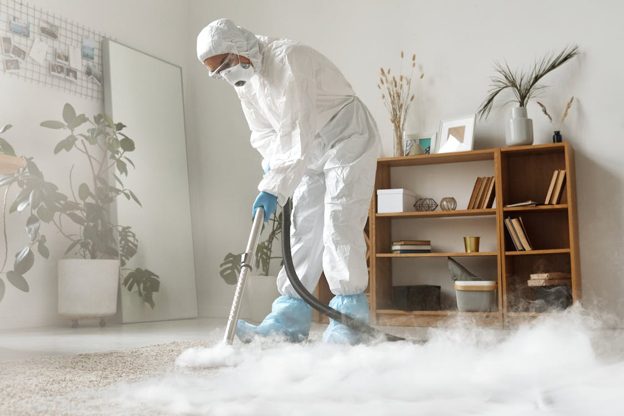
In healthcare settings, cleanliness is not just important; it is critical. Every surface contributes to protecting patients, staff, and visitors from potential harm. However, effective infection control extends beyond visible cleanliness. While floors may appear clean, carpets can harbour bacteria, viruses, and other contaminants beneath the surface.
Carpets are often overlooked, yet they endure constant foot traffic and can quickly become high-risk areas. Basic cleaning alone is not sufficient. Proper disinfection is essential for reducing hidden threats and maintaining a genuinely safe environment. Using the right carpet disinfectant helps address these risks and strengthens infection control practices where they are most needed.
Carpets can make healthcare environments more comfortable, but they also introduce risks if not properly maintained. Continuous movement from staff, patients, and visitors allows carpets to trap bacteria, viruses, and other contaminants. Even when carpets appear clean, harmful microorganisms may remain embedded deep within the fibres.
Using the appropriate carpet disinfectant is essential for addressing these risks. It is not only about removing visible dirt, but also about targeting microorganisms that are not visible to the naked eye. Routine cleaning improves appearance, but it does not reliably eliminate pathogens that contribute to infection transmission.
In healthcare environments, this distinction is critical. Effective sanitation goes beyond routine cleaning and focuses on reducing measurable health risks. By incorporating a reliable carpet disinfectant into cleaning protocols, facilities can better manage contamination, protect vulnerable patients, and maintain a safer environment.
Clean-looking carpets alone are insufficient. True cleanliness requires addressing the microbial risks that are not immediately visible.
Carpets in healthcare facilities can act as reservoirs for bacteria, viruses, and other pathogens, particularly in high-traffic areas. Each movement by staff, patients, or visitors introduces new contaminants that can spread across the facility’s different zones.
Foot traffic is a significant factor in this process. Shoes, wheeled equipment, and medical devices can transfer microorganisms from one area to another, allowing them to settle deep within carpet fibres. Over time, this accumulation increases the likelihood of exposure.
For patients, particularly those with compromised immune systems, even low levels of environmental contamination can increase the risk of healthcare-associated infections. Staff and visitors may also be affected, reinforcing the importance of comprehensive infection control measures. Carpets should therefore be included as a priority within sanitation protocols.
It is a common assumption that visually clean surfaces are safe; however, this is not always the case. Cleaning and disinfection serve different but complementary roles in healthcare environments.
Cleaning focuses on removing visible dirt, dust, and debris. It improves appearance and can reduce certain surface-level contaminants, but it does not reliably eliminate harmful microorganisms. Disinfection is specifically designed to kill bacteria, viruses, and other pathogens that remain after cleaning.
Healthcare standards require both steps to be performed in sequence, with cleaning preceding disinfection to ensure effectiveness. A carpet may appear spotless after cleaning, yet microorganisms can persist within the fibres. Disinfection addresses this gap by targeting those residual pathogens.
Relying on appearance alone can lead to false assumptions about safety. Effective infection control requires a structured approach that combines both cleaning and disinfection.
Carpet disinfectants are a critical component of infection prevention strategies in healthcare facilities. They function by eliminating bacteria and viruses that become embedded deep within carpet fibres, which are not always removed through standard cleaning processes.
They also help reduce cross-contamination. In high-traffic environments, microorganisms can transfer between areas through foot movement and equipment. Proper disinfection helps interrupt this transmission pathway before it spreads further.
In regulated healthcare environments, disinfectants must meet specific efficacy standards to ensure they are effective against clinically relevant pathogens. When properly applied, carpet disinfectants contribute to a layered infection control strategy that supports patient safety.
By integrating disinfection into routine maintenance, carpets can shift from potential sources of contamination to controlled, safer surfaces.
Certain areas within healthcare facilities require more frequent and targeted carpet disinfection due to higher exposure risks. These include waiting areas, corridors, patient rooms, and entry points where foot traffic is most concentrated.
Waiting areas often accommodate large numbers of visitors, increasing the likelihood of pathogen introduction. Corridors and walkways serve as transition zones where contaminants can spread between departments. Patient rooms, especially those occupied by vulnerable individuals, require consistent and thorough sanitation.
Facilities should prioritise these high-risk zones within their infection control plans, ensuring that carpet disinfection is performed at appropriate intervals based on usage and risk level. A targeted approach helps maximise effectiveness while maintaining operational efficiency.
In healthcare environments, maintaining safety requires more than surface-level cleanliness. Carpets may appear clean, but without proper disinfection, they can still pose a risk.
By going beyond routine cleaning and implementing structured disinfection practices, facilities can reduce contamination, protect patients, and strengthen infection control systems. Establishing consistent carpet-care protocols supports compliance with healthcare standards and contributes to safer clinical environments.

Most Americans aren’t sleeping well, and most of what’s sold to them doesn’t address why. The sleep aisle still runs on melatonin gummies, cooling mattress foam, and CPAPs that half …
Posted Apr 23, 2026 HaH Fundamental Technologies Medical Devices
Connecting innovation decision makers to authoritative information, institutions, people and insights.

Medigy accurately delivers healthcare and technology information, news and insight from around the world.
Medigy surfaces the world's best crowdsourced health tech offerings with social interactions and peer reviews.
© 2026 Netspective Foundation, Inc. All Rights Reserved.
Built on Oct 24, 2026 at 6:05pm