

Managing Editor
@ShahidNShah
@ShahidNShah
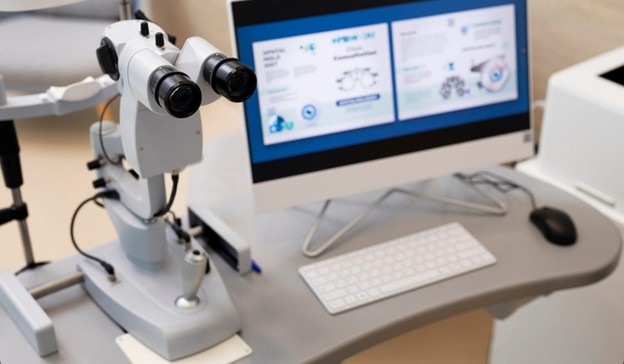
The five simple secrets to protect medical gear involve engineering shock mitigation, sealing out moisture, building internal inventory visibility, enforcing strict handling protocols, and standardizing case specifications.
Medical and diagnostic equipment represents the most expensive and critical inventory in modern healthcare operations.
Implementing these procedural disciplines ensures that field service coordinators, procurement managers, and logistics teams prevent downstream operational disruptions.
A single mishandled shipment can trigger a cascade of severe downstream consequences. Studies show that a shocking percentage of clinical equipment is frequently not maintained or calibrated correctly.
Organizations face dual risk exposure from unexpected replacement costs and operational threats like care delivery delays, regulatory flags, and audit vulnerabilities.
Whether routing a portable ultrasound unit to a satellite clinic or transferring a diagnostic monitoring kit between hospital systems, the stakes remain universally high.
The difference between operations that continually absorb preventable losses and those that operate seamlessly comes down to logistics engineering. Recorded noncompliance rates for maintenance protocols can easily exceed forty percent for certain delicate medical tools.
The following operational disciplines serve as a blueprint for procurement managers to engineer preventable transit damage out of their supply chains permanently.
Vibration and mechanical shock are leading causes of internal component failure in calibrated diagnostic devices.
Sensors, circuit assemblies, and precision components are especially vulnerable during rough ground transport and turbulent air freight routing. To mitigate this risk, procurement teams must utilize threshold metrics as a practical specification tool.
Case specifications must reflect the specific fragility profile of the instrument rather than relying on generic commercial packaging standards.
For field operations where the same case cycles through dozens of deployments across regional clinics, the exterior engineering matters immensely.
Technical performance data from providers such as Royal Case Company suggests that rugged custom aluminum cases often serve as the most reliable benchmark for specifying durable enclosures.
When evaluating these against injection-molded polymers, the inherent rigidity of aluminum ensures a higher degree of repeatable protection for sensitive medical instrumentation
| Key Insight: Generic packaging is a leading cause of transit damage. Always specify G-force thresholds and use custom suspension structures to protect sensitive internal components during repeated, high-frequency field deployment cycles. |
Humidity, condensation, and airborne particulates present a silent and often delayed risk to sensitive medical equipment.
These elements can compromise sterilized instruments, corrode delicate circuit boards, and trigger catastrophic equipment failures that surface exactly at the moment of deployment.
Procurement teams must use moisture ingress ratings as a baseline specification tool rather than treating them as optional upgrades.
Understanding these metrics is vital for secure equipment storage and long-term diagnostic functionality. Strong external construction, coated hardware, and thoroughly sealed gasket systems are essential components of this defensive strategy.
This unbroken environmental protection ensures reliability when clinical performance is absolutely non-negotiable.
The interior of a transport enclosure should function as an active operational tool rather than merely passive packaging.
Disorganized transit environments introduce severe operational costs and frustrate professionals working in fast-paced medical scenarios.
Field technicians and clinical staff operating under intense time pressure cannot be expected to inventory complex medtech kits by memory.
The solution lies in integrating custom interior designs that provide an immediate physical inventory manifest. Any empty compartment instantly signals a missing item long before the lid closes, facilitating secure storage.
This robust approach allows asset monitoring from dispatch through return, drastically reducing the crucial time between initial opening and clinical use.
| Pro Tip: Use custom-cut foam inserts as a visual inventory management tool. Any empty slot instantly alerts clinical staff to missing components, preventing equipment delays and reducing error risks during rapid field deployments. |

Managing medical device transport is as much a strict regulatory compliance challenge as it is a standard healthcare logistics task.
A rigorously enforced custody chain dictates exactly who handled the diagnostic device and when it ultimately changed hands. This unbroken record ultimately forms the evidentiary backbone of any compliance audit or safety inspection.
Physical security signals represent the crucial first line of defense for medical gear protection and regulatory tracking.
For organizations whose supply chains intersect with specialized government contracting, operations managers must meticulously integrate transfer records directly with internal asset management systems.
This comprehensive system provides total accountability for high-value diagnostic devices moved between hospital departments or third-party providers.
| Warning/Important: A broken tamper-evident seal is a definitive indicator of equipment compromise. Never deploy a medical device if the transit seal is damaged, as it invalidates the chain-of-custody and risks clinical reliability. |
When different medtech field service teams utilize varying packaging models, handling procedures inevitably fragment and cause operational friction.
Training becomes highly inconsistent, quality audits become significantly harder to conduct, and human error finds far more opportunities to occur.
Standardizing protective enclosures must be treated as a core systems discipline to maintain consistent medical equipment protection.
This systematic approach is especially important for growing healthcare networks managing widely distributed medical teams.
For diagnostic equipment manufacturers managing inventory globally, a single standardized specification can be procured efficiently at high volumes.
Establishing these physical standards globally supports remarkably consistent healthcare workflows at an impressive enterprise scale, allowing busy operations teams to manage one partner and one precise specification rather than troubleshooting inconsistent outputs.
Synthesizing the crucial operational disciplines above requires a highly actionable protocol for medical logistics teams to follow.
Operations managers should reference the following pre-dispatch checklist before every shipment to ensure compliance and structural integrity. Following these precise steps guarantees that sensitive medical equipment arrives perfectly ready for immediate clinical use.
Establishing this routine represents the best way to prevent expensive recalibration delays and patient care bottlenecks.
The most reliable diagnostic device transport programs are built on engineered consistency rather than heroic last-minute logistics.
Implementing physical enclosures specifically designed for harsh environments while maintaining robust documentation completely removes the margin for preventable error.
Building durable and scalable transport programs requires engaging logistics partners who treat specification as a strategic extension of quality control.
Connecting with dedicated specialists who understand exact equipment portfolios is the first major step toward long-term operational success.
By actively integrating carefully chosen custom specifications, medical organizations can confidently deploy these mission-critical systems at scale. This comprehensive structural approach permanently safeguards valuable clinical tools and streamlines healthcare logistics across the board.
| Author Profile: Royal Case is the leading manufacturer of custom wholesale cases for businesses across every industry. |


Defending against medical email hacks requires a layered approach: robust filtering, targeted staff training, and multi-factor authentication. These controls are vital as phishing and ransomware …
Posted Apr 22, 2026 Cybersecurity
Connecting innovation decision makers to authoritative information, institutions, people and insights.

Medigy accurately delivers healthcare and technology information, news and insight from around the world.
Medigy surfaces the world's best crowdsourced health tech offerings with social interactions and peer reviews.
© 2026 Netspective Foundation, Inc. All Rights Reserved.
Built on Oct 24, 2026 at 6:05pm