

Managing Editor
@ShahidNShah
@ShahidNShah
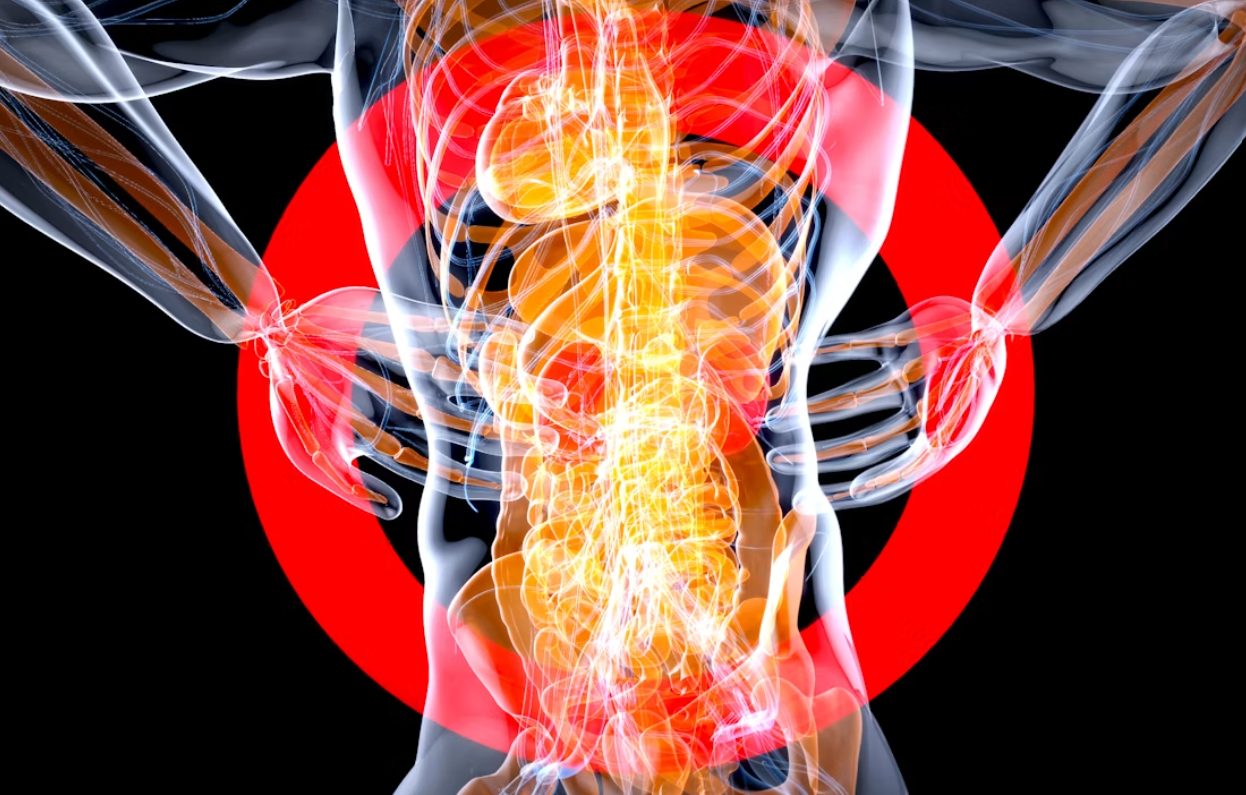
Sciatica can range from mildly irritating to extremely painful. Some people feel a dull ache in the lower back or buttock. Others experience sharp, shooting pain that travels down the leg and makes sitting, walking, driving or sleeping difficult.
Because symptoms can vary so much, it is not always easy to know when to wait, when to self-manage and when to get help.
In many cases, sciatic discomfort can improve with time, movement and the right support. But there are also situations where symptoms should not be ignored.
Sciatica is usually linked to irritation of the sciatic nerve. This nerve runs from the lower back through the hips, buttocks and down each leg.
Symptoms may include lower back pain, pain in the buttock, pain travelling down the leg, tingling, numbness, burning sensations, pins and needles, weakness and tightness through the hip, glute or hamstring.
Sciatica often affects one side of the body. It may feel worse when sitting, bending, coughing, sneezing or standing for long periods.
If symptoms are mild and there are no red flags, you may be able to start with simple self-care. This can include gentle movement, avoiding long periods of sitting, short walks and light mobility work.
Many people make the mistake of either doing too much or doing nothing at all. Complete rest for long periods can often make stiffness worse. On the other hand, pushing through sharp nerve pain can also aggravate symptoms.
A balanced approach usually works best.
Helpful self-care may include walking little and often, changing position regularly, avoiding long periods of sitting, using gentle heat if it helps, doing comfortable mobility work, avoiding heavy lifting during flare-ups and keeping movements slow and controlled.
The aim is to keep moving without provoking symptoms.
You should consider getting help if your sciatica is not settling, keeps coming back or is affecting your normal routine.
This includes situations where pain is stopping you from working comfortably, sitting or driving is difficult, symptoms keep returning after rest, you feel restricted through the hips or lower back, you are avoiding normal activities, home stretching is not helping or you are unsure which movements are safe.
Once serious symptoms have been ruled out, regular movement, mobility work and professional support for sciatica in Glasgow can help reduce stiffness and improve confidence in everyday movement.
Many people wait until pain becomes severe before seeking help. By that point, they may have developed compensations.
For example, you may start walking differently to avoid pain. You may sit unevenly, avoid bending or tense your muscles because you are worried about triggering symptoms. These protective habits are understandable, but over time they can create more stiffness and discomfort.
Getting support early can help you understand what may be contributing to the problem and how to move more confidently.
Not all sciatica is purely about muscle tightness, but tightness can make symptoms feel worse.
Common areas that may contribute include the hip flexors, glutes, hamstrings, piriformis, lower back muscles, calves and deep hip rotators.
When these areas are restricted, your body may not move as freely as it should. This can increase strain through the lower back, pelvis and legs.
Targeted stretching can help reduce tension, but it needs to be done carefully. With sciatic symptoms, aggressive stretching is not always helpful. Gentle, supported stretching is often a better approach.
Home stretching can be useful, but it can also become frustrating if you are not sure what to do.
You may find that stretches help temporarily but symptoms return, one stretch makes the pain worse, you feel tight again the next day, you are unsure whether you are stretching muscle or nerve or you keep targeting the same area without progress.
In these cases, assisted stretching may help because it provides more control, better positioning and support through the movement.
Most sciatica is not a medical emergency, but certain symptoms need urgent attention.
You should seek urgent medical help if you experience sciatica affecting both legs, severe or worsening weakness or numbness in both legs, numbness around the genitals or bottom, difficulty starting urination, loss of bladder or bowel control, not knowing when you need to pass urine or stool, or new symptoms after significant trauma.
These symptoms can be linked to serious nerve compression and should not be ignored.
The right support depends on your symptoms.
For severe, worsening or red-flag symptoms, medical assessment is essential. For ongoing tightness, stiffness and non-emergency sciatic discomfort, mobility-focused support may be appropriate.
Assisted stretching can help by focusing on areas that commonly contribute to tension and restricted movement, including the hips, glutes, hamstrings and lower back.
The goal is to help the body move more comfortably, reduce unnecessary tightness and support better day-to-day function.
Sciatica does not always mean something serious, but it should not be ignored if it is persistent, worsening or affecting your life.
For mild symptoms, gentle movement and self-care may help. For recurring discomfort, tightness or mobility issues, professional support can make a real difference.
The key is knowing when to act. If there are red-flag symptoms, seek urgent medical help. If symptoms are ongoing but non-emergency, targeted stretching and mobility work may help you move better and feel more comfortable.


Choosing a facial plastic surgeon is one of the most consequential decisions you’ll make in any elective procedure process. The technical skill, the aesthetic judgment, the communication style — …
Posted Jun 8, 2026 Cosmetics
Connecting innovation decision makers to authoritative information, institutions, people and insights.

Medigy accurately delivers healthcare and technology information, news and insight from around the world.
Medigy surfaces the world's best crowdsourced health tech offerings with social interactions and peer reviews.
© 2026 Netspective Foundation, Inc. All Rights Reserved.
Built on Oct 14, 2026 at 6:06pm