

Managing Editor
@ShahidNShah
@ShahidNShah
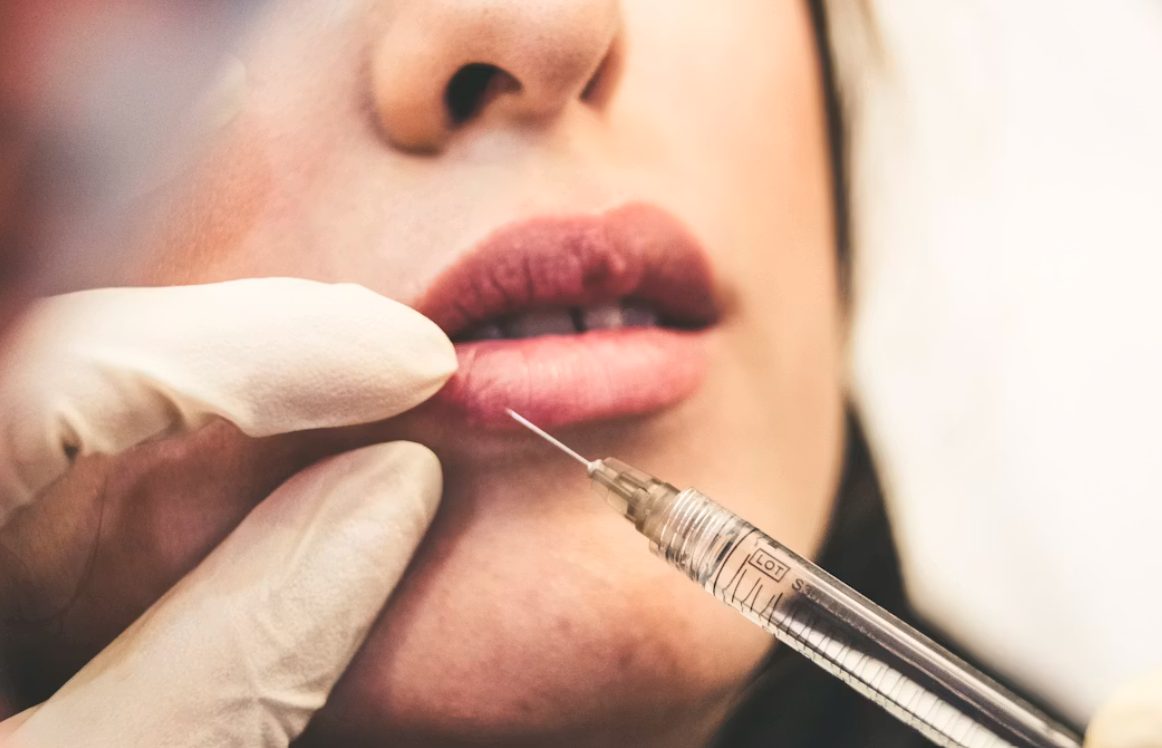
Lip injections come up in a lot of casual conversations now — someone mentions they had it done, a friend says they’ve been thinking about it, and suddenly you’re curious too. In cities like Denver, where nonsurgical cosmetic treatments have become increasingly common, more people are exploring balanced, natural-looking results rather than dramatic changes. But curiosity and actually knowing whether it makes sense for your face are two different things.
If you’ve been genuinely considering it, here’s a straightforward breakdown of what to expect, who tends to benefit, and what separates a good outcome from an obvious one.
The vast majority of lip injections today use hyaluronic acid filler — a substance your body naturally produces that holds moisture and adds soft volume. It’s injected in small amounts to add fullness, improve the definition of the lip border, correct asymmetry, or some combination of those things, depending on what you’re working with.
Hyaluronic acid fillers are temporary — they metabolize gradually over 6 to 12 months, depending on the product and the individual. They’re also reversible. If you don’t like the result, an enzyme called hyaluronidase can dissolve the filler quickly, returning your lips to baseline. That reversibility is one of the reasons they’ve become the standard starting point for anyone new to injectables.
The lip injections that look wrong — the ones people notice for the wrong reasons — almost always come down to proportion and technique. Overfilling, making the upper lip larger than the lower, blurring the natural shape of the cupid’s bow, or creating stiffness that affects how the mouth moves at rest — these are technique problems, not inherent risks of the procedure itself.
The results that work tend to follow the same principle: the lips look like the person’s lips, but better. A little more defined. A bit more balanced. Nothing announces itself.
Knowing what you want to improve — versus wanting to look like a specific result you saw on someone else — is one of the more reliable predictors of satisfaction.
There’s no one-size-fits-all answer, but a few things point toward a good candidate:
Active cold sores, certain autoimmune conditions, and some medications can affect candidacy.
A consultation is the right place to have that conversation.
This is the part that actually determines the outcome more than anything else. Lip anatomy is more complex than it looks — there are significant blood vessels in the area, and injection technique directly affects both safety and appearance.
According to the American Society of Plastic Surgeons, lip augmentation remains one of the most commonly performed nonsurgical cosmetic procedures in the U.S., and results can vary significantly depending on injector experience, technique, and how well treatment is tailored to the individual.
If you’ve been researching lip injections Denver, it’s worth finding a provider that takes an individualized, medically supervised approach, as it can make a meaningful difference in both comfort and outcome. Plastic Surgical Associates emphasizes detailed consultations that assess lip anatomy, facial proportions, and aesthetic goals before recommending filler options — an approach that helps support results that feel balanced and proportionate to the individual.
A few things help:
Most appointments run 30 to 45 minutes, including the numbing process. A topical cream is applied first, and most fillers also contain lidocaine, which adds comfort during the injection itself. The discomfort is real but brief — most people describe it as a stinging pressure.
Swelling is immediate and can make the result look more dramatic than it will be long-term. Give it a full week before forming an opinion. Bruising is possible but not universal. Light activities can resume the same day; intense exercise is usually held for 24 hours.
Lip injections done well are genuinely hard to spot. The goal isn’t to change the way you look — it’s to bring your lips into better proportion with the rest of your face. If you’ve been curious about it, a consultation is the most practical next step. You’ll come away with a clear sense of what’s realistic for your face and whether the timing feels right. There’s no commitment involved in that conversation, and the information is genuinely useful regardless of what you decide.

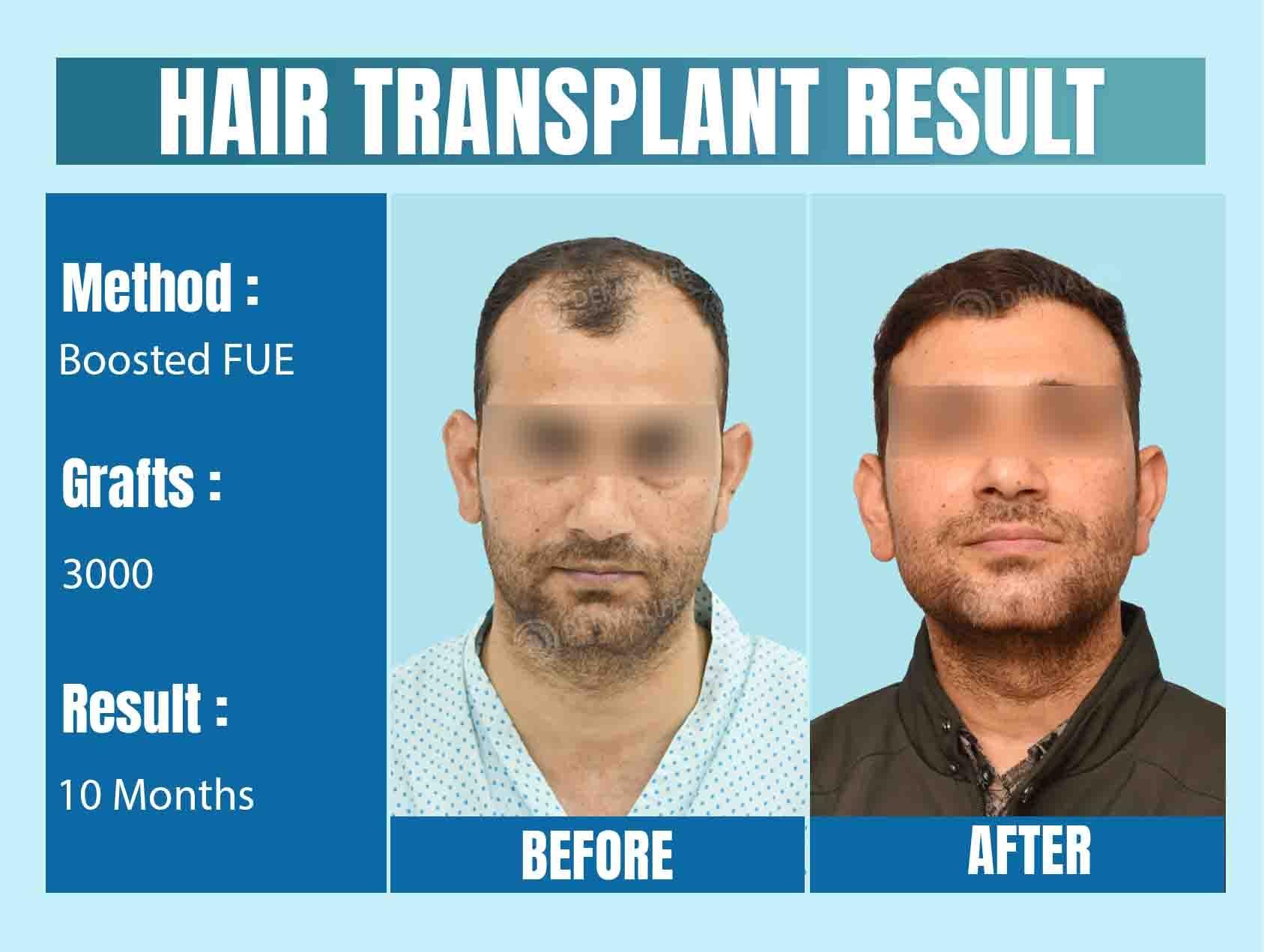
Hair transplant surgery has become one of the most advanced and effective solutions for hair loss. Modern procedures can restore hairlines, improve density, and deliver natural-looking results that …
Posted Jun 6, 2026 Biomedical Technology
Connecting innovation decision makers to authoritative information, institutions, people and insights.

Medigy accurately delivers healthcare and technology information, news and insight from around the world.
Medigy surfaces the world's best crowdsourced health tech offerings with social interactions and peer reviews.
© 2026 Netspective Foundation, Inc. All Rights Reserved.
Built on Oct 18, 2026 at 6:05pm