

Managing Editor
@ShahidNShah
@ShahidNShah
One small mistake on the road does not always tell the whole story. Motorcycle accidents happen in spaces shared by everyone, which means responsibility can quickly become complicated. Several small errors can come together and create difficult questions about who actually carries the blame.
Many riders step back, thinking fault ends their chance to recover anything, yet the system often looks deeper than a single mistake. People who take legal help for motorcycle accidents reveal that responsibility in accident claims is usually divided through evidence and careful review.
Let’s learn more about it.
Partial fault simply means more than one person contributed to the accident in some way. It does not place all responsibility on a single rider or driver. Instead, the situation is reviewed in parts where each action is measured against the final outcome of the crash.
For example, a rider may have been slightly over the speed limit while another vehicle made an unsafe turn at the same time. These combined actions create shared responsibility. In most cases, insurance companies and legal systems assign a percentage to each party involved, which decides how the claim moves forward
Compensation in shared fault cases usually works on a percentage model. If a rider is found partly responsible then the final payout may be reduced based on that percentage. For example, if someone is considered twenty five percent at fault then the compensation may be adjusted in the same proportion.
This system allows claims to still move forward even when responsibility is divided. It ensures that each party carries a fair share of the outcome instead of removing eligibility completely from the process
Compensation decisions are often shaped by whatever can actually be proven. Police reports usually come first because they create an early record of the crash, but people who saw the accident may notice completely different things. Later, reconstruction reports may be used to piece together details that were not obvious at the scene.
Medical records also connect injuries directly to the crash. Together, these details help build a clearer picture of responsibility so that compensation decisions are based on facts rather than assumptions
Road behavior is one of the strongest factors in determining fault. Actions like speeding, missing signals, or unsafe lane changes can influence how responsibility is assigned. Traffic violations are often reviewed closely because they show how each person followed or ignored road rules at the time of the crash. Even small actions can affect the final breakdown of responsibility when examined alongside other evidence collected after the accident.
Not every accident is caused only by driver actions. Roads are not always predictable, and that can matter more than people realize. A poorly lit street, rain on the pavement, uneven roads, or something unexpected in the roadway can affect how quickly drivers react and how much control they keep. These details often become important during discussions about responsibility.
Some accidents are easier to explain than others. Many are not. A driver may notice something too late. Someone may react slower than expected. Small delays like that do not always seem important at first, but they often become part of how fault gets discussed afterward. At the same time, careful riding behavior can help reduce assigned fault depending on how the situation is evaluated through available evidence and reports
Eligibility for compensation, even when mostly at fault, depends on the rules followed in a specific location. Some systems allow partial recovery even when one party carries a higher share of responsibility. In other cases, insurance policies may still provide limited coverage based on the structure of the claim.
This means that being more responsible does not always remove the possibility of receiving some level of compensation. The final outcome depends on how the percentages are assigned and how the evidence is interpreted during the review process
Shared responsibility does not automatically stop a motorcycle injury claim from moving forward. The process usually looks at how each person’s actions affected what happened rather than automatically blaming one side. That is often why legal help for motorcycle accidents becomes part of the conversation, since understanding fault usually depends on evidence, timelines, and how events are interpreted.
Outcomes often depend on how clearly the facts are presented and how the responsibility is divided across the parties involved in the case overall.

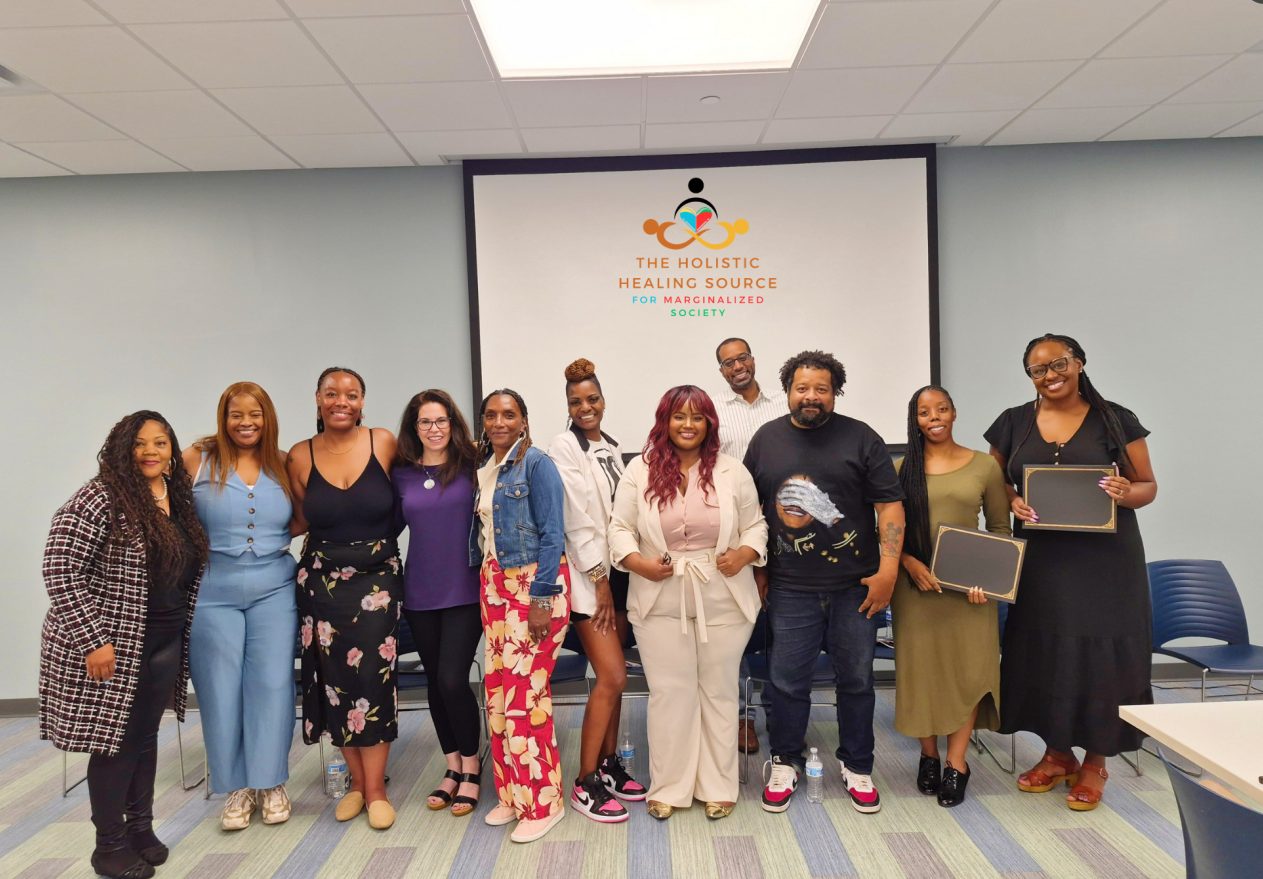
Across the evolving field of holistic mental health, Dr. Calynn Lawrence has emerged as a true pioneer. As founder of The Holistic Healing Source for Marginalized Society, she has helped expand the …
Posted Jun 5, 2026 Mental Health
Connecting innovation decision makers to authoritative information, institutions, people and insights.

Medigy accurately delivers healthcare and technology information, news and insight from around the world.
Medigy surfaces the world's best crowdsourced health tech offerings with social interactions and peer reviews.
© 2026 Netspective Foundation, Inc. All Rights Reserved.
Built on Oct 18, 2026 at 6:05pm