

Managing Editor
@ShahidNShah
@ShahidNShah
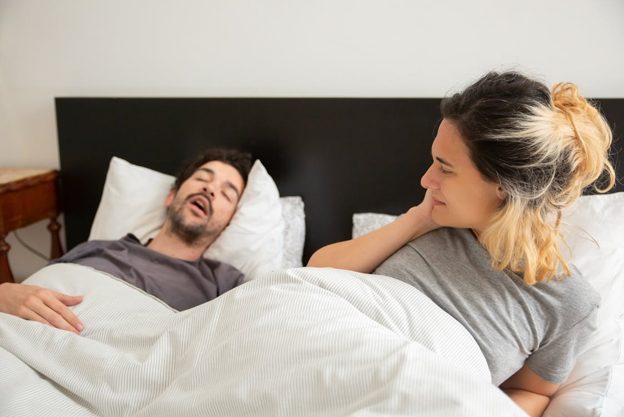
According to the American Academy of Sleep Medicine’s 2024 research, sleep apnea affects nearly 39 million adults in the United States — yet an estimated 80% of moderate to severe cases remain undiagnosed. As awareness grows around the cardiovascular risks and cognitive impacts of untreated sleep apnea, more individuals are seeking alternatives to CPAP machines and surgical interventions that have traditionally dominated treatment approaches.
This shift toward natural management isn’t just about avoiding medical devices. Rising healthcare costs, CPAP compliance challenges, and a growing understanding of how lifestyle factors directly influence airway function have created real momentum behind evidence-based natural approaches. For the millions dealing with disrupted sleep, loud snoring, and daytime fatigue, understanding which lifestyle modifications actually work — and why — can transform both sleep quality and overall health outcomes.
The path forward involves understanding how everyday choices impact your airways, implementing targeted changes that address root causes, and building sustainable habits that support long-term breathing improvements during sleep.
Sleep apnea doesn’t develop in isolation — it emerges from a complex interplay of anatomical predispositions and modifiable lifestyle factors that either protect or compromise your airways during sleep. Understanding these connections provides the foundation for why natural approaches can be remarkably effective for many people.
Excess weight represents the most significant modifiable risk factor, particularly when concentrated around the neck and throat area. Even modest weight gain of 10-15 pounds can double sleep apnea risk by narrowing the upper airway and reducing muscle tone that keeps breathing passages open. The mechanism works both ways: as weight increases, airway restriction worsens, but weight loss can dramatically improve symptoms — sometimes eliminating mild to moderate cases entirely.
Sleep position creates immediate mechanical effects on airway patency. Sleeping on your back allows gravity to pull soft tissues backward, effectively narrowing the breathing passage. This explains why many people notice their snoring and breathing disruptions worsen when they shift from side to back sleeping during the night.
Alcohol consumption and smoking compound the problem through different pathways. Alcohol relaxes throat muscles that normally maintain airway structure, while smoking creates inflammation and fluid retention in upper airway tissues. Both substances also disrupt the normal sleep architecture needed for restorative rest, creating a cycle where poor sleep quality makes apnea symptoms more pronounced.
Age-related changes in muscle tone and tissue elasticity mean that lifestyle factors become increasingly important over time. While you can’t control aging, understanding how diet quality, hydration status, and physical activity influence these natural changes helps explain why some older adults develop severe sleep apnea while others maintain clear airways well into their later years.
Natural sleep apnea treatments work by addressing the underlying physiological processes that cause airway collapse during sleep. Rather than simply managing symptoms, these approaches target the root mechanisms — making them particularly effective for long-term improvement.
The relationship between nutrition and sleep apnea operates through multiple pathways beyond simple weight management. Inflammatory foods — particularly processed sugars, refined carbohydrates, and trans fats — promote systemic inflammation that extends to upper airway tissues. This inflammation contributes to tissue swelling and reduced airway diameter, making obstruction more likely during sleep.
Strategic weight loss targeting even modest reductions of 5-10% of body weight can produce measurable improvements in apnea severity. The mechanism involves reducing fatty tissue deposits around the neck and throat while decreasing abdominal weight that can restrict diaphragmatic breathing. Research consistently shows that people who achieve sustainable weight loss through dietary changes experience fewer apnea episodes and improved oxygen saturation levels.
Timing of meals also influences sleep apnea symptoms. Large meals within three hours of bedtime increase gastroesophageal reflux, which can worsen upper airway irritation and trigger breathing disruptions. The digestive process itself can interfere with optimal sleep positioning and breathing patterns.
Targeted breathing exercises strengthen the muscles responsible for maintaining airway patency during sleep. Oropharyngeal exercises — which involve specific tongue, soft palate, and throat movements — have demonstrated measurable reductions in apnea severity when practiced consistently. These exercises work by improving muscle tone and coordination in the exact areas where collapse typically occurs.
Positional therapy leverages gravity to maintain airway openness. Side sleeping reduces gravitational pull on soft tissues, while elevating the head of the bed 15-30 degrees can decrease the tendency for tissues to fall backward. Some people benefit from using specialized pillows or positional devices that prevent rolling onto the back during sleep.
The breathing techniques extend beyond sleep positioning to include diaphragmatic breathing practices that improve overall respiratory efficiency and reduce the work of breathing during rest periods.

Evidence-based lifestyle modifications for sleep apnea focus on changes that produce measurable improvements in airway function and sleep quality. These interventions work best when implemented consistently and as part of a comprehensive approach rather than isolated attempts.
Weight management stands out as the most impactful single intervention for many individuals with sleep apnea. The goal isn’t necessarily dramatic weight loss — studies show that even a 10% reduction in body weight can reduce apnea severity by up to 30%. The most effective approaches combine caloric reduction with increased physical activity, particularly exercises that improve cardiovascular fitness and respiratory muscle strength.
Sleep hygiene optimization creates conditions that support deeper, more restorative sleep and reduce the likelihood of airway collapse. This includes maintaining consistent sleep and wake times, creating a cool and dark sleep environment, and avoiding electronic devices before bedtime. Quality sleep hygiene also involves managing bedroom allergens that can contribute to nasal congestion and mouth breathing.
Alcohol avoidance, particularly within four hours of bedtime, prevents the muscle relaxation that worsens airway collapse. Many people notice immediate improvements in snoring and breathing disruptions when they eliminate evening alcohol consumption. Similarly, smoking cessation reduces upper airway inflammation and fluid retention that contribute to obstruction.
Nasal breathing optimization through the use of saline rinses, nasal strips, or addressing underlying sinus issues can significantly improve airflow. When nasal passages remain clear, individuals are less likely to resort to mouth breathing, which increases the risk of airway collapse during sleep. Some find that incorporating specialized dental care for better breathing approaches helps address structural factors that impact airway function.
Beyond basic lifestyle modifications, several natural therapies have demonstrated effectiveness for sleep apnea management when used appropriately and consistently.
Myofunctional therapy involves specific exercises designed to strengthen and retrain the muscles of the tongue, soft palate, and throat. Research shows that consistent practice of these exercises can reduce sleep apnea severity by 25-50% in many individuals, particularly those with mild to moderate cases.
The exercises focus on improving tongue posture, enhancing swallowing patterns, and strengthening the muscles that maintain upper airway patency during sleep. Typical programs involve 15-20 minutes of daily exercises practiced over several months, with many people reporting noticeable improvements within 6-8 weeks.
However, myofunctional therapy requires significant commitment and may not be effective for individuals with severe anatomical restrictions or very severe sleep apnea. Success depends on consistent practice and proper instruction from qualified practitioners.
Oral appliances designed to advance the jaw or reposition the tongue can provide mechanical support for airway maintenance during sleep. While these devices require professional fitting, they offer an alternative to CPAP therapy for individuals with mild to moderate sleep apnea.
Humidification and air quality improvements can reduce upper airway irritation that contributes to inflammation and obstruction. Using bedroom humidifiers, HEPA air filters, and maintaining optimal bedroom temperature can support better breathing during sleep.
Yoga and specific breathing practices have shown promise for improving respiratory muscle strength and reducing stress-related factors that can worsen sleep apnea. However, these approaches work best as complementary interventions rather than standalone treatments.
Safety considerations include understanding that natural approaches may not be sufficient for severe sleep apnea cases, which carry significant cardiovascular risks if left inadequately treated. Regular monitoring and professional evaluation remain important even when pursuing natural management strategies.
The sustained implementation of natural sleep apnea management approaches produces benefits that extend well beyond improved sleep quality, creating positive cascades that affect multiple aspects of health and daily functioning.
Cardiovascular health improvements represent one of the most significant long-term benefits. Consistent lifestyle management that reduces sleep apnea severity also decreases the strain on the cardiovascular system caused by repeated oxygen desaturations and stress hormone releases during sleep. People who successfully manage their sleep apnea naturally often experience improvements in blood pressure, heart rhythm stability, and overall cardiovascular risk profiles.
Cognitive function and mental health show marked improvements as sleep quality stabilizes. The brain fog, memory problems, and difficulty concentrating that characterize untreated sleep apnea often resolve as breathing disruptions decrease. Many individuals report enhanced mood stability, reduced anxiety, and improved emotional regulation as their sleep becomes more restorative.
Energy levels and daytime functioning improve substantially when natural management approaches successfully reduce apnea episodes. This creates an upward spiral where increased energy supports better adherence to healthy lifestyle choices, exercise routines, and stress management practices that further improve sleep quality.
The compounding effect of these improvements often means that people who commit to comprehensive lifestyle management find their sleep apnea symptoms continue to improve over time rather than plateauing. This contrasts with device-based treatments that may provide immediate symptom relief but don’t address underlying contributing factors.
For individuals ready to pursue natural sleep apnea management, the key lies in implementing multiple evidence-based approaches simultaneously rather than trying isolated interventions. Success builds gradually through consistent attention to weight, sleep positioning, breathing techniques, and environmental factors that support healthy airway function throughout the night.


That first trip to the dentist ranks among the most anxiety-inducing milestones for both children and parents — and for good reason. According to the American Dental Association’s 2024 …
Posted May 2, 2026 Dental Care Dentistry
Connecting innovation decision makers to authoritative information, institutions, people and insights.

Medigy accurately delivers healthcare and technology information, news and insight from around the world.
Medigy surfaces the world's best crowdsourced health tech offerings with social interactions and peer reviews.
© 2026 Netspective Foundation, Inc. All Rights Reserved.
Built on Oct 10, 2026 at 4:06pm