

Managing Editor
@ShahidNShah
@ShahidNShah
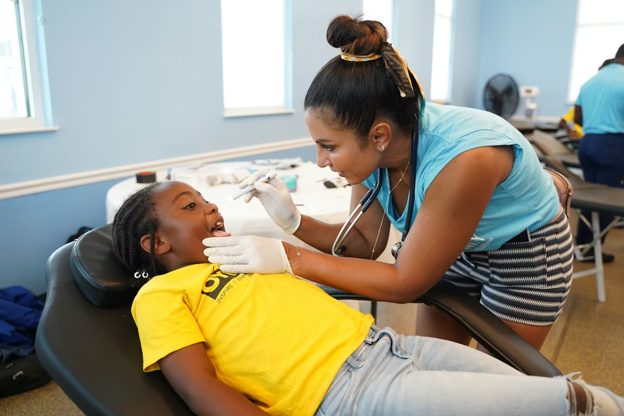
That first trip to the dentist ranks among the most anxiety-inducing milestones for both children and parents — and for good reason. According to the American Dental Association’s 2024 guidelines, children should have their first dental visit by age one or within six months of their first tooth appearing, yet many families delay this crucial appointment due to uncertainty about what to expect. As pediatric dentistry has evolved to prioritize prevention and early intervention, the gap between when children should start dental care and when they actually do continues to widen.
The stakes are higher than most parents realize. Early dental visits don’t just catch problems — they establish lifelong attitudes toward oral health that can influence everything from cavity rates to orthodontic needs later on. A child who associates the dentist with fear or discomfort at age two carries those feelings into adolescence and adulthood, often avoiding necessary care for years.
What separates successful first visits from traumatic ones isn’t luck — it’s preparation, realistic expectations, and understanding how pediatric dental practices specifically approach young patients. The key is transforming an unknown experience into something familiar, manageable, and even enjoyable for your child.
The foundation of a successful first dental visit gets laid weeks before you step into the office. Preparation isn’t about creating elaborate stories or false promises — it’s about introducing dental care as a normal, positive part of your child’s routine.
Start incorporating dental vocabulary into daily conversations at least two weeks before the visit. When brushing your child’s teeth, mention how the dentist will “count their teeth” and “make sure they’re healthy and strong.” Avoid using words like “pain,” “shot,” or “hurt” — even in reassuring contexts like “it won’t hurt.” Young children often miss the negative and remember only the scary word.
Reading dental-themed children’s books creates positive associations without the pressure of immediate action. Books like “Just Going to the Dentist” or “Curious George Visits the Dentist” normalize the experience through familiar characters. Role-playing with stuffed animals works particularly well for three and four-year-olds. Let your child be the dentist and examine their teddy bear’s teeth with a toothbrush, counting along and praising the “patient” for sitting still.
Consider visiting the dental office beforehand if possible. Many pediatric practices welcome brief tours during non-appointment times. Seeing the waiting room, meeting the receptionist, and perhaps glimpsing the treatment rooms removes the element of complete unknown. Even a drive-by to see the building can help anxious children visualize where they’re going.
Your own anxiety directly affects your child’s comfort level, so managing your expectations proves just as important as preparing your toddler. Pediatric dentists expect squirming, crying, and resistance — these are normal parts of the process, not failures on your part. Understanding this prevents you from becoming flustered when your typically cooperative child suddenly refuses to open their mouth.
Prepare practical information ahead of time. Gather your child’s medical history, current medications (if any), and your insurance cards. Write down specific questions about your child’s oral development, fluoride needs, or thumb-sucking habits. Having these ready prevents you from forgetting important concerns when dealing with a potentially upset child.
Schedule the appointment strategically. Morning visits work best for most toddlers, before nap time and when energy levels are highest. Avoid scheduling immediately after other stressful events like doctor visits or first days at daycare. Block out enough time afterward — rushing to another commitment adds pressure for everyone involved.
The reality of a first dental visit often surprises parents with its gentleness and brevity. Most initial appointments last 30 minutes or less, with the actual examination taking only 5-10 minutes. Pediatric dental offices design their approach specifically for young patients, moving at the child’s pace rather than forcing cooperation.
The visit typically begins with paperwork and a brief conversation between the dentist and parents while your child explores the kid-friendly waiting area. Many offices feature play areas, books, or tablets to help children relax before the appointment begins. The dental team usually allows time for your child to warm up rather than immediately whisking them back to the treatment room.
Once in the exam room, the dentist or hygienist often starts by showing your child the dental tools and explaining what they do in simple terms. “This little mirror helps me see your teeth,” or “This tiny brush will tickle your teeth clean.” For very young children, the dentist might begin by examining your teeth first, demonstrating that the process is safe and normal.
The actual examination focuses on gentle exploration rather than intensive cleaning. The dentist will count your child’s teeth, check for early signs of decay, examine the gums, and assess bite development. For children under two, much of this examination might happen while they sit on your lap, facing outward toward the dentist. This position provides comfort and security while still allowing proper access to the mouth.
X-rays are rarely necessary for first visits unless there’s obvious concern about decay or development. When they are needed, pediatric offices use child-sized equipment and often allow parents to stay nearby. The dental team typically explains each step as they go, maintaining a calm, cheerful demeanor even if your child becomes upset.
The visit concludes with a brief discussion about your child’s oral development, any concerns discovered, and recommendations for home care. Many practices give children a small prize or sticker, reinforcing the positive experience and creating anticipation for the next visit.

Transforming dental anxiety into dental enthusiasm requires specific techniques that go beyond general preparation. The most effective approaches work with your child’s natural curiosity rather than against their instinctive caution about new experiences.
When anxiety strikes during the visit itself, your response sets the tone for how your child processes the experience. Avoid dismissive phrases like “don’t be scared” or “it’s no big deal” — these invalidate their feelings and often increase distress. Instead, acknowledge their emotions while redirecting attention: “I can see you’re feeling nervous about this new place. Let’s look at that cool fish tank together.”
Deep breathing exercises work surprisingly well with children as young as three. Practice “bubble breathing” beforehand — inhaling slowly to “blow up the bubble” and exhaling gently to “float it away.” During the appointment, this familiar technique provides a concrete coping strategy that doesn’t require adult intervention.
Distraction proves more effective than reassurance for many children. Ask the dental team about their distraction protocols — many offices have ceiling-mounted televisions, music, or interactive games designed specifically for anxious young patients. Some practices use weighted blankets or fidget toys to provide sensory comfort during the examination.
Position yourself where your child can see you without requiring them to turn their head. Standing at the head of the dental chair, rather than hovering nearby, often feels less intrusive while still providing comfort. Follow the dental team’s lead about physical comfort — sometimes holding your child’s hand helps, but occasionally it creates more resistance.
Trust develops through consistent, honest interactions rather than elaborate promises or rewards. When the dentist explains what they’re doing, reinforce their words with positive body language — nodding, smiling, and showing interest in the process. Children read parental cues more than verbal explanations, especially in stressful situations.
Introduce the concept of the dentist as a tooth helper rather than a medical authority figure. Frame the visit as teamwork: “Dr. Smith is going to help us take care of your teeth, and you’re going to help by opening wide.” This collaborative language reduces the power dynamic that often triggers resistance in independent-minded toddlers.
Consider ongoing relationship building beyond just appointments. Many pediatric practices send birthday cards, holiday greetings, or gentle appointment reminders that help children remember their dentist as a friendly, familiar person rather than a stranger they see only when something might be wrong.
Follow up after positive visits with specific praise about your child’s cooperation and bravery. Avoid generic statements like “you were so good” and instead highlight specific behaviors: “You did a great job opening your mouth wide so Dr. Smith could see all your teeth.” This reinforces the behaviors you want to see repeated and helps your child understand exactly what made the visit successful.
The timing of first dental visits reflects a fundamental shift in how pediatric medicine approaches prevention. Rather than waiting for problems to develop, early visits establish baseline oral health and catch developmental issues when intervention proves most effective.
Tooth decay in children has increased significantly over the past decade, with the CDC’s 2023 oral health surveillance data showing that 20% of children aged 2-5 now have untreated cavities. Early dental visits allow professionals to assess cavity risk based on factors like diet, genetics, and oral bacteria levels — information that shapes preventive care recommendations long before problems become visible to parents.
The relationship between early dental care and lifelong oral health extends beyond just preventing cavities. Pediatric dentists monitor jaw development, spacing between teeth, and early indicators of orthodontic needs. Identifying these issues at age two or three allows for gentle interventions that can prevent more extensive treatment later. For example, a pediatric dentist in Palo Alto might recommend simple appliances to guide proper jaw growth, avoiding the need for more complex orthodontic work during adolescence.
Perhaps most importantly, early visits establish dental care as routine healthcare rather than crisis intervention. Children who begin dental visits by age one show significantly higher rates of continued regular care throughout childhood and adolescence. They develop comfort with dental environments, trust in dental professionals, and understanding of their own oral health needs that carries into adulthood.
Research from the American Academy of Pediatric Dentistry demonstrates that children who receive preventive dental care starting before age two require 40% fewer restorative treatments over their lifetime compared to children whose first visit occurs after age three. This difference reflects not just early cavity detection, but comprehensive preventive strategies including fluoride applications, dietary counseling, and customized oral hygiene instruction that address each child’s specific risk factors.
The economic implications are equally compelling. Families who invest in early preventive care spend significantly less on dental treatment over time. Emergency dental visits, which often traumatize young children and strain family budgets, become rare when problems are caught and addressed early through regular preventive care.
The foundation you build during that first dental visit ripples through your child’s entire relationship with oral health. Children who learn to see dental care as normal, helpful, and manageable carry those attitudes into adulthood, breaking cycles of dental anxiety that often span generations. What matters most isn’t perfect cooperation during the visit itself, but creating an experience that leaves your child curious rather than fearful about their next dental adventure.


The American Dental Association reports that cosmetic dental procedures have increased by over 40% in suburban communities since 2020, with smile makeovers leading this transformation. What’s …
Posted May 2, 2026 Dental Care Dentistry
Connecting innovation decision makers to authoritative information, institutions, people and insights.

Medigy accurately delivers healthcare and technology information, news and insight from around the world.
Medigy surfaces the world's best crowdsourced health tech offerings with social interactions and peer reviews.
© 2026 Netspective Foundation, Inc. All Rights Reserved.
Built on Oct 15, 2026 at 6:05pm