

Managing Editor
@ShahidNShah
@ShahidNShah
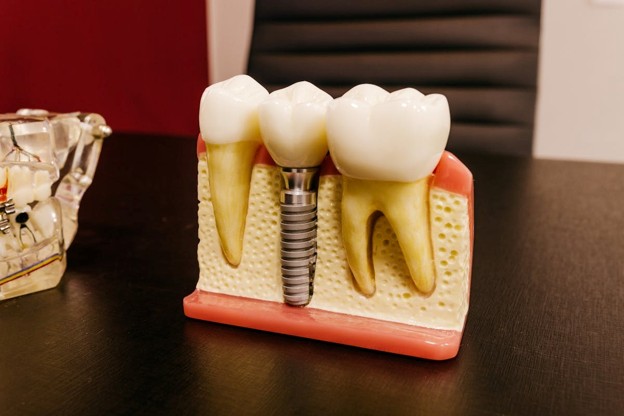
Children’s dental problems are changing. It’s not just candy and skipped brushing anymore. In 2026, dentists are seeing a new pattern driven by screen-heavy routines, constant snacking, and disrupted sleep. The result is what many clinicians informally call “digital cavities” – tooth decay and gum issues linked to modern habits rather than traditional causes alone.
This shift matters because the triggers are subtle and continuous. Kids aren’t just eating sugar; they are grazing all day, sipping flavored drinks while gaming, and brushing in a rush. Dental issues now mirror lifestyle patterns, not just hygiene gaps.
The biggest change is how children eat. Earlier, meals had structure. Today, snacks are constant companions to screens. A child might take small bites over hours, especially during online classes or gaming sessions.
Each bite feeds oral bacteria, producing acids that weaken enamel. When this cycle repeats throughout the day, teeth never get a chance to recover. Even “healthy” snacks can contribute if consumed frequently without proper oral care.
The problem is not just what kids eat. It’s how often and how long food stays in contact with their teeth.
Another emerging issue is mouth breathing, often linked to prolonged screen use or poor posture. When children breathe through their mouths, saliva production decreases.
Saliva plays a critical role in protecting teeth. It neutralizes acids and washes away food particles. Without it, the mouth becomes more vulnerable to decay and infections.
Parents may not notice this immediately, but over time it leads to dry mouth, bad breath, and increased cavity risk.
Dental problems in children are no longer isolated. They are affecting speech, eating habits, and even confidence. A child with tooth pain may avoid certain foods, leading to nutritional gaps.
Speech development can also be impacted if teeth alignment or oral comfort is compromised. Socially, children may become self-conscious about their smile, especially in a world where video calls and photos are constant.
This makes early dental care more important than ever.
In 2026, dental care for children is shifting from treatment to behavior management. Instead of just fixing cavities, dentists are analyzing habits.
They look at:
This approach helps identify root causes rather than just symptoms. It also allows parents to make practical changes that prevent recurring issues.
Fear of dental visits has always been a challenge. Modern clinics are addressing this by creating child-friendly environments.
A dental clinic today is designed to feel less clinical and more engaging. Interactive tools, visual aids, and even gamified brushing education are helping children feel comfortable.
When kids associate dental care with positive experiences, they are more likely to follow good habits at home.
One of the more advanced discussions in 2026 is the connection between early developmental health and dental outcomes. Factors like maternal nutrition, genetics, and early childhood care can influence tooth strength and alignment.
In some cases, even preconception planning plays a role. An IVF Doctor, while primarily focused on fertility, is part of a broader healthcare ecosystem that ensures healthier pregnancies and better developmental outcomes. This indirectly supports stronger foundational health, including oral structures.
This perspective highlights how interconnected modern healthcare has become.
Children today are digital natives, and dental education is adapting accordingly. Apps and smart toothbrushes provide real-time feedback, making brushing more interactive.
Some devices track brushing duration and technique, turning it into a game. This not only improves consistency but also ensures that children develop proper habits early.
Parents can also monitor progress, making it easier to guide their children effectively.
Modern diets often include hidden sugars and acids. Packaged juices, flavored yogurts, and even certain health drinks can contribute to enamel erosion.
Children may consume these products thinking they are healthy, but frequent exposure can harm teeth. Educating parents about reading labels and moderating intake is becoming a key part of dental care.
The goal is not to eliminate treats but to manage them wisely.
Preventive care is gaining importance in pediatric dentistry. Treatments like fluoride applications and sealants help protect teeth from decay.
Regular check-ups allow dentists to detect early signs of problems and address them before they worsen. This reduces the need for more invasive procedures later.
Prevention is not just more effective. It is also less stressful for both children and parents.
Despite increased awareness, parents face challenges in maintaining consistent routines. Busy schedules, resistance from children, and misinformation can make it difficult.
There is also the influence of marketing, which often promotes sugary products as child-friendly. Navigating these factors requires awareness and guidance.
Healthcare providers are working to support parents through education and practical advice.
The future lies in integration and personalization. Dental care will continue to combine technology, behavior analysis, and preventive strategies.
We can expect more advanced tools that track oral health in real time and provide actionable insights. Collaboration between different healthcare fields will also strengthen overall outcomes.
The focus will remain on creating habits that last a lifetime.
Children’s dental problems in 2026 are a reflection of modern lifestyles. From screen-time habits to constant snacking, new challenges are emerging that require new solutions.
By focusing on behavior, prevention, and early intervention, it is possible to protect children’s oral health effectively. With the support of technology and informed parenting, kids can develop strong, healthy smiles that last well into adulthood.
This new approach ensures that dental care is not just about fixing problems but about building a foundation for lifelong health.

Cancer treatment is undergoing a quiet revolution. In 2026, the goal is no longer just to eliminate tumors at any cost. The new focus is “less damage, more precision” treating cancer effectively while …
Posted Apr 26, 2026 Cancer
Connecting innovation decision makers to authoritative information, institutions, people and insights.

Medigy accurately delivers healthcare and technology information, news and insight from around the world.
Medigy surfaces the world's best crowdsourced health tech offerings with social interactions and peer reviews.
© 2026 Netspective Foundation, Inc. All Rights Reserved.
Built on Oct 8, 2026 at 6:09pm