

Managing Editor
@ShahidNShah
@ShahidNShah
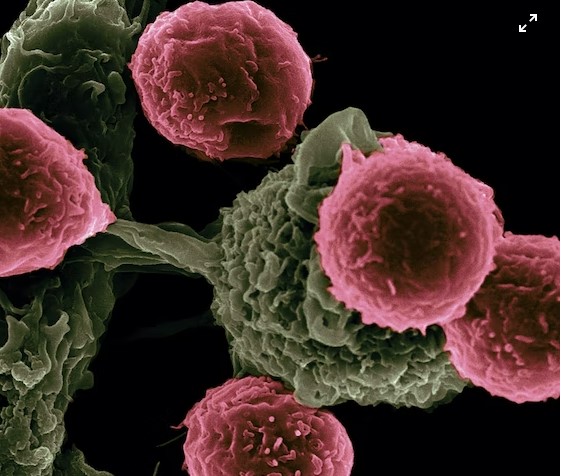
Cancer treatment is undergoing a quiet revolution. In 2026, the goal is no longer just to eliminate tumors at any cost. The new focus is “less damage, more precision” treating cancer effectively while preserving as much of the patient’s body, function, and lifestyle as possible.
This shift is changing everything: how cancers are detected, how surgeries are performed, and how recovery is managed. Patients today are not only asking, “Will I survive?” but also, “How will I live after treatment?”
Traditional cancer care often relied on aggressive methods like high-dose chemotherapy, extensive surgeries, and radiation that affected both diseased and healthy tissues.
While these approaches saved lives, they also came with long-term side effects:
In 2026, the medical community is rethinking this approach. The focus is shifting toward targeted therapies that reduce collateral damage while maintaining effectiveness.
Surgery remains one of the most powerful tools in cancer treatment. However, how surgery is performed has evolved significantly.
Modern techniques allow doctors to remove tumors with incredible accuracy. Instead of large incisions and extensive tissue removal, procedures are now designed to be as conservative as possible.
A Surgical Oncologist plays a key role in this transformation. Their expertise ensures that cancer is removed effectively while preserving surrounding healthy tissue, which is crucial for maintaining quality of life.
This approach is especially important for cancers affecting visible or functional areas of the body.
Early detection is the foundation of modern cancer treatment. The earlier a tumor is identified, the more options are available for targeted and less invasive treatment.
In 2026, screening methods have become more advanced and accessible. AI-assisted imaging and genetic testing can identify abnormalities long before symptoms appear.
This allows doctors to intervene at a stage where treatment is more effective and less disruptive.
No two cancer cases are the same. Factors such as genetics, lifestyle, and overall health influence how the disease develops and responds to treatment.
Personalized care plans are now the norm. Doctors analyze detailed patient data to design treatments that are tailored to individual needs.
This approach increases success rates and reduces unnecessary interventions. It also helps patients feel more confident, knowing that their treatment is specifically designed for them.
One of the most noticeable benefits of modern cancer care is faster recovery. Minimally invasive techniques use smaller incisions and advanced tools to perform complex procedures.
Patients experience:
This is a major improvement compared to traditional methods, where recovery could take months.
Cancer treatment is no longer limited to a single method. In 2026, doctors are combining different therapies to achieve better outcomes.
These may include:
This integrated approach ensures that the disease is addressed from multiple angles, increasing the chances of success.
Cancer treatment is not just physical. It has a deep emotional impact on patients and their families.
In 2026, mental health support is becoming an essential part of care. Counseling, support groups, and patient education programs are helping individuals cope with the journey.
This holistic approach improves not only survival rates but also overall well-being.
Modern patients are more informed and proactive. They want clarity, transparency, and involvement in their treatment decisions.
When searching for the Best Cancer Treatment, they are not just looking at technology or success rates. They are considering:
This change in expectations is pushing healthcare providers to focus on patient-centered care.
Despite advancements, challenges remain. Access to advanced treatments can vary depending on location and resources. Costs can also be a barrier for many patients.
There is also the issue of awareness. Many people still delay screening or ignore early symptoms, which can lead to late diagnosis.
Addressing these challenges will require continued efforts in education and accessibility.
The future of cancer treatment lies in further precision and integration. Advances in genetics, AI, and regenerative medicine are expected to improve outcomes even more.
We are moving toward a model where cancer is detected earlier, treated more effectively, and managed with minimal impact on daily life.
This evolution is not just improving survival rates. It is redefining what recovery looks like.
Cancer care in 2026 is no longer about choosing between effectiveness and quality of life. It is about achieving both.
With precision surgery, personalized treatment plans, and a strong focus on patient experience, the journey is becoming more manageable and less overwhelming.
As technology and awareness continue to grow, patients can look forward to treatments that are not only life-saving but also life-preserving.

Cancer care is entering a new phase where the goal is not just survival, but “invisible recovery.” In 2026, patients are no longer satisfied with treatments that leave lasting physical and emotional …
Posted Apr 26, 2026 Cancer
Connecting innovation decision makers to authoritative information, institutions, people and insights.

Medigy accurately delivers healthcare and technology information, news and insight from around the world.
Medigy surfaces the world's best crowdsourced health tech offerings with social interactions and peer reviews.
© 2026 Netspective Foundation, Inc. All Rights Reserved.
Built on Oct 8, 2026 at 6:09pm