

Managing Editor
@ShahidNShah
@ShahidNShah
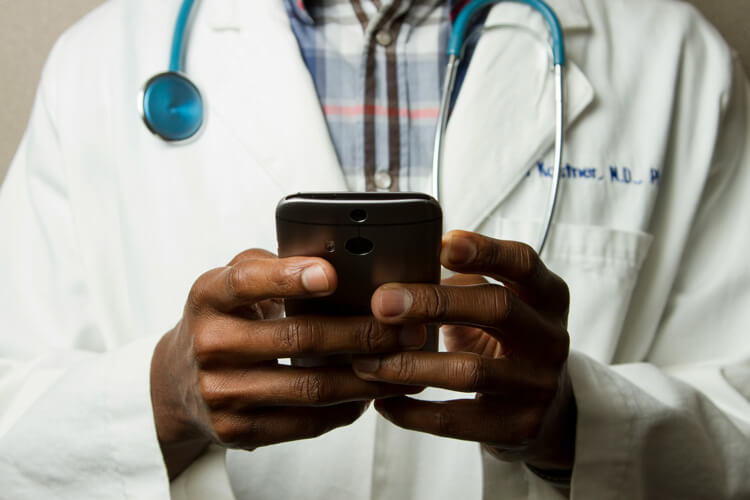
Video has become one of healthcare’s most important communication tools. Hospitals use it to prepare patients for procedures, medical device companies use it to train clinicians, pharmaceutical companies use it for medical education, and telehealth platforms rely on it to explain everything from onboarding to aftercare. But in a country where millions of patients have limited English proficiency, a video that only works in English leaves many people behind. Professional media post-production services, including transcription, subtitling, dubbing and voice-over, are what turn a single video into content that every patient and provider can understand.
In healthcare, though, localizing video is not just a marketing exercise. A mistranslated dosage, a confusing instruction or a subtitle that disappears too quickly can affect patient safety. Here is what healthcare organizations should consider before taking their video content multilingual.
For chronic care programs and remote patient monitoring, in particular, clear video instructions in the patient’s language can improve engagement and adherence.
Beyond better outcomes, there is a regulatory dimension. Section 1557 of the Affordable Care Act requires many healthcare providers and programs that receive federal funding to take reasonable steps to provide meaningful access to individuals with limited English proficiency. Captioning also supports accessibility for patients who are deaf or hard of hearing. As more patient communication moves to video, these obligations increasingly apply to video content as well.
Each format has its place:
In many projects, the best answer is a combination: subtitles for clinician training and dubbed versions for patient-facing materials.
Every multilingual video workflow begins with a clean transcript. If the original transcript contains errors, such as a misheard drug name or a wrong number, those errors will be copied into every language. For medical content, a good process includes:
Subtitles that are technically correct can still fail if viewers cannot read them in time. Professional subtitling follows reading-speed limits, splits lines naturally and keeps on-screen text from covering important visuals, such as a surgeon’s hands or a device display. On-screen graphics, labels and warning text must also be localized, not just the spoken audio.
Patient education works best when it feels familiar. That may mean choosing a neutral variety of Spanish for a broad U.S. audience, adapting examples about diet or daily routines, or selecting voice talent whose tone feels reassuring rather than clinical. Small choices like these can make the difference between a video patients watch and one they skip.
Healthcare videos can include patient testimonials, unreleased product information or recordings from clinical settings. Any localization partner should follow strict confidentiality practices, use secure file transfer and limit access to authorized team members.
Video is one of the most effective ways to educate patients and train healthcare professionals, but only if the audience understands it. Accurate transcription, medically informed translation and professionally produced subtitles or dubbing help healthcare organizations reach more people, meet language access obligations and, most importantly, keep patients safe.

Hyperbaric oxygen therapy sits in an unusual procurement category. It is simultaneously a clinical service line decision, a capital equipment purchase, a facility construction project, and a pressure …
Posted Oct 12, 2026 Medical Devices
Connecting innovation decision makers to authoritative information, institutions, people and insights.

Medigy accurately delivers healthcare and technology information, news and insight from around the world.
Medigy surfaces the world's best crowdsourced health tech offerings with social interactions and peer reviews.
© 2026 Netspective Foundation, Inc. All Rights Reserved.
Built on Oct 13, 2026 at 6:05pm