

Managing Editor
@ShahidNShah
@ShahidNShah
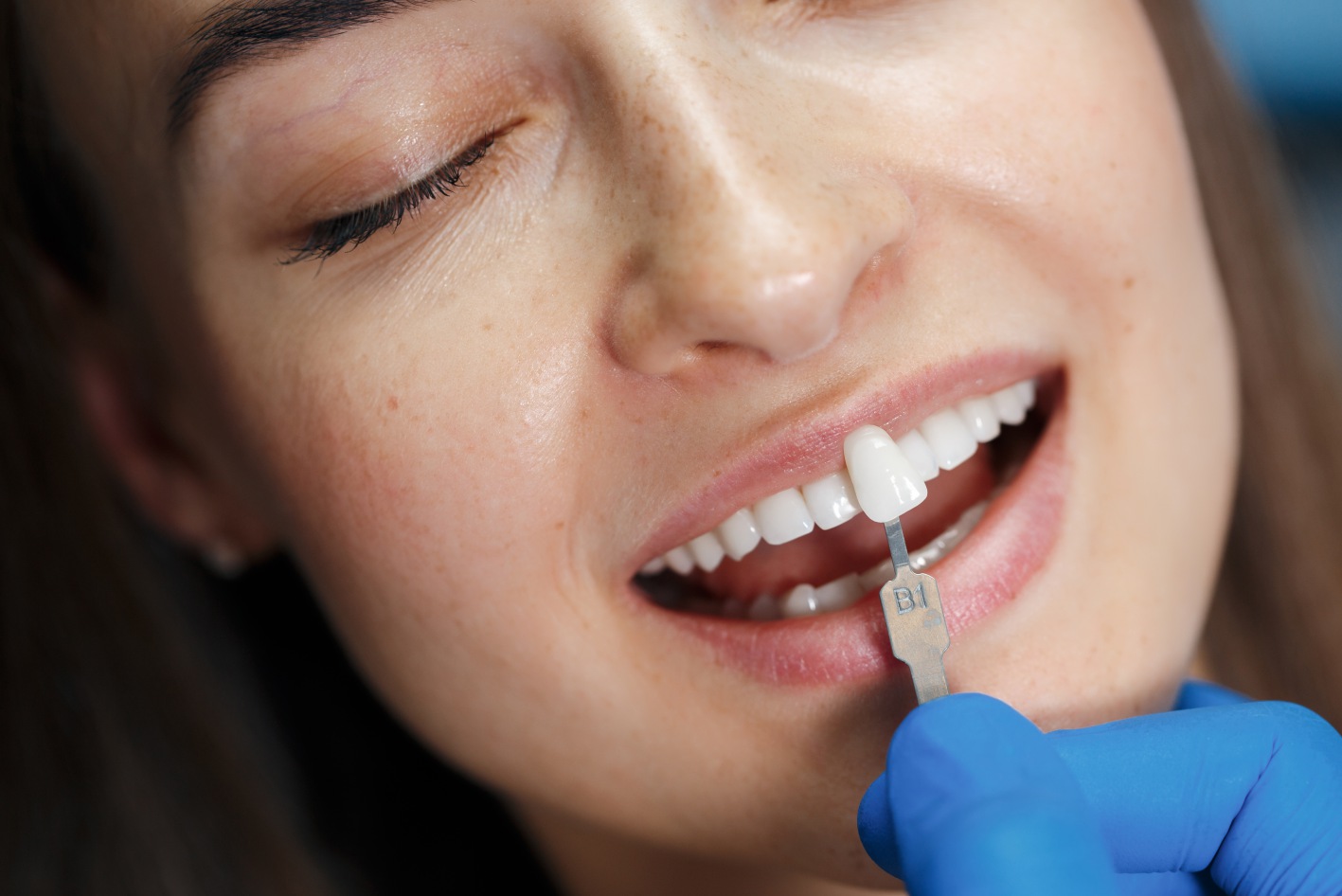
A chipped front tooth, stains that won’t budge, or a small gap you’ve always noticed in photos can make you more self-conscious about your smile than you’d like. Veneers are one of the most popular ways to fix these issues, but they’re also a big decision. Once your teeth are prepared for them, there’s usually no going back.
So before you book a consultation, it helps to know how veneers work, who they suit, and what they really involve. If you’re exploring veneers in Woodbridge, VA, here’s what to know first.
Veneers are thin, custom-made shells that cover the front of your teeth. They’re mostly used to hide discoloration, small chips, uneven shapes, and minor gaps.
There are two main types: porcelain and composite resin. The key differences between them affect cost, appearance, and how long they last.
Porcelain veneers, also known as ceramic veneers, are made in a dental lab or with digital fabrication. They look very natural, resist staining well, and hold up for years.
Composite veneers are made from tooth-colored resin that your dentist shapes and bonds directly onto the tooth, often in a single visit. They cost less up front but usually need repairs or replacement sooner.
Which one is right for you depends on your goals, your budget, the health of your teeth, and how much of your natural tooth you’d like to keep.
Veneers work best on teeth that are healthy underneath, and people choose them for several cosmetic benefits, including:
Veneers are a cosmetic treatment, though. If you have significant crowding, decay, gum disease, or a grinding habit, those usually need to be treated first.
Healthy teeth and gums come first. Your dentist will check your enamel, any existing fillings or crowns, your bite, and your overall oral health before recommending veneers.
You may be a good fit if you have clear cosmetic goals, enough healthy tooth structure, and realistic expectations. Veneers may not be suitable if you have active gum disease, extensive decay, heavy grinding, or too little enamel for the veneers to bond well.
Porcelain veneers usually require removing a thin layer of enamel, which is why the procedure is considered irreversible. That’s exactly why the consultation matters so much.
The steps depend on the type of veneer and the condition of your teeth. For porcelain veneers, the process usually looks like this.
Your dentist examines your teeth and gums, talks through the changes you want, and decides whether veneers make sense. Photos, impressions, or digital scans may be used to plan your results.
Some practices also let you preview the outcome. For example, Woodbridge Comfort Dental Care, which provides veneers in Woodbridge, VA, offers a digital smile preview so patients can see how their new smile may look before treatment begins.
A small amount of enamel may be removed to make room for the veneers. Your dentist then takes impressions or scans so the veneers fit your teeth exactly. You may wear temporary veneers while the final ones are being made.
When your veneers are ready, your dentist checks the shape, color, and fit before bonding them in place, then makes any small adjustments so your bite feels right.
Composite veneers are different. Because the resin is shaped directly on your teeth, they can often be finished in one appointment.
There’s no single price for veneers. The cost depends on the material, how many teeth you’re treating, how complex your case is, and whether you need other dental work first.
Porcelain veneers cost more up front than composite. Many patients still choose porcelain because it lasts longer and resists stains better.
Most dental insurance plans don’t cover veneers when they’re purely cosmetic, although coverage can differ if treatment is medically necessary. Check your plan, and ask for a written estimate that shows the total cost, what’s included, and what future repairs or replacements might cost.
With good care, porcelain veneers often last 10 to 15 years or longer, though everyone’s results are different. Composite veneers usually need attention sooner.
Daily habits make a real difference. Brush and floss regularly, keep up with dental checkups, and avoid chewing ice, biting your nails, or opening packages with your teeth.
If you grind or clench your teeth, ask your dentist about a night guard. Morning jaw soreness and worn edges are common signs of teeth grinding.
Veneers are durable, but they don’t last forever. They can chip, loosen, or eventually need replacing.
Veneers aren’t always the simplest or most affordable way to improve your smile. Depending on your goals, another option might work better:
Your dentist can walk you through the pros and cons of each.
Go in with a few questions ready:
A good dentist will be happy to answer all of them
Dental veneers can be an effective option for improving chipped, discolored, uneven, or slightly spaced teeth. However, the results depend on proper case selection, treatment planning, and ongoing care.
If you’re considering veneers in Woodbridge, take time to compare materials, understand the procedure, and explore less invasive alternatives. A professional evaluation can help determine whether veneers are suitable for your teeth and what kind of results you can realistically expect.


Interest in peptides has grown quickly across Australia, particularly in areas such as metabolic health, recovery, body composition, and healthy aging. Yet the word “peptide” covers a broad group of …
Posted Oct 12, 2026 Biological Products
Connecting innovation decision makers to authoritative information, institutions, people and insights.

Medigy accurately delivers healthcare and technology information, news and insight from around the world.
Medigy surfaces the world's best crowdsourced health tech offerings with social interactions and peer reviews.
© 2026 Netspective Foundation, Inc. All Rights Reserved.
Built on Oct 13, 2026 at 6:05pm