

Managing Editor
@ShahidNShah
@ShahidNShah
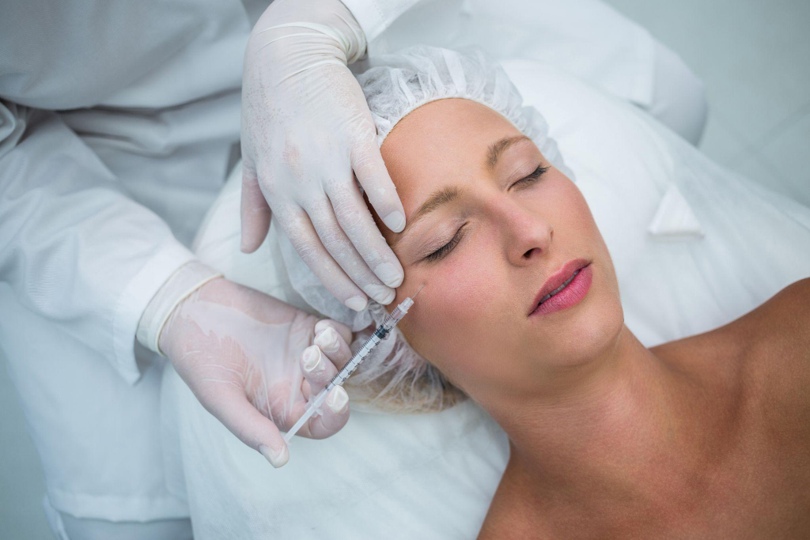
A career in aesthetic medicine can be a natural next step for physicians, nurses, nurse practitioners, physician assistants, dentists, and other qualified healthcare professionals. However, a clinical background alone does not prepare someone to perform cosmetic injections safely and effectively.
As aesthetic treatments grow in popularity, proper training is increasingly important. Professionals entering the field need a strong understanding of facial anatomy, patient assessment, treatment planning, product selection, injection techniques, and patient expectations. Injector Training Academy provides education designed to help qualified healthcare professionals build these essential skills.
The goal should be more than simply learning how to inject. Successful aesthetic practice requires sound clinical judgment, technical skills, and a patient-centered approach to delivering safe and responsible care.
Traditional healthcare often focuses on diagnosing and treating medical conditions. Aesthetic medicine has a different emphasis. Patients may seek treatment to soften facial lines, restore volume, improve facial balance, or achieve a subtle change in appearance.
That means an aesthetic injector needs to understand both the patient’s medical history and their aesthetic goals. A technically correct injection may still produce an unsatisfactory outcome if the practitioner has not properly assessed facial proportions or understood what the patient actually wants.
A good consultation should allow the practitioner to determine whether the requested treatment is appropriate. It also creates space to discuss realistic outcomes, possible risks, alternatives, and limitations.
For example, a patient asking for a dramatic change may need a different treatment approach than someone looking for a subtle improvement. Knowing when to treat, when to modify the treatment plan, and when to recommend against a procedure is an important part of aesthetic clinical judgment.
Healthcare professionals already bring valuable clinical experience to aesthetic medicine. However, injectable treatments require additional knowledge that may not have been covered extensively in their previous education.
Core areas of injector training commonly include:
Facial anatomy deserves particular attention. Aesthetic injections are performed in an anatomically complex area where small differences in depth, location, product selection, and technique can affect the result.
Current aesthetic training programs commonly combine anatomy, injectable pharmacology, supervised injections, and complication management rather than treating injection technique as a standalone skill.
Reading about injection techniques and watching demonstrations can provide useful background, but they cannot fully replicate the experience of working with a real patient or model.
Hands-on training allows practitioners to connect theoretical knowledge with practical decision-making. Under appropriate supervision, a learner can practice assessment, injection technique, positioning, product handling, and communication while receiving immediate feedback.
A typical practical session may involve a short review of anatomy and treatment considerations followed by supervised injections and a discussion of the cases afterward. This approach allows learners to identify mistakes and improve before working independently.
Consider a nurse who has years of experience working directly with patients but has never performed facial injections. Their existing skills in communication, documentation, and patient care are valuable. They still need specific education in facial anatomy, aesthetic assessment, injection techniques, and complication management before taking on this new responsibility.
That distinction is important. Confidence should come from preparation and supervised experience, not simply from having a healthcare license.
Searching for an injector training academy near me can be a useful starting point for healthcare professionals comparing educational options. However, location should not be the only factor.
A training provider should be evaluated based on the quality and structure of its education, instructor experience, practical opportunities, and emphasis on patient safety.
When comparing programs, consider:
For professionals looking for structured education, aesthetic injector training can provide practical learning in areas such as facial anatomy, Botox, dermal fillers, injection techniques, and hands-on practice.
The phrase cosmetic injector training near me may produce a long list of local courses, workshops, and educational providers. The challenge is determining which option offers meaningful clinical preparation rather than simply a brief introduction to aesthetic injections.
A short course may be useful for learning the basics, but new injectors should understand what happens after the course. Will they have enough practical experience to recognize different facial patterns? Can they confidently assess whether a patient is a suitable candidate? Do they know how to respond if a complication occurs?
A strong program should connect several parts of aesthetic practice rather than teaching injection technique in isolation.
For example, a practitioner learning dermal fillers should understand why a particular product may be selected, where it may be appropriate, how facial anatomy influences treatment, and what warning signs require immediate attention.
The best training is therefore not simply about putting a needle in the right location. It is about understanding why a treatment is being performed and how to make responsible clinical decisions throughout the process.
For nurses considering aesthetic medicine, the best nurse injector training should build on existing nursing knowledge while addressing the specific demands of cosmetic practice.
Nurses often enter aesthetics with strong patient communication and clinical assessment skills. Even so, they need specialized education in areas such as facial assessment, injection techniques, product knowledge, and aesthetic treatment planning.
The right program should also fit the practitioner’s current experience. A beginner may need foundational anatomy and supervised practice, while an experienced injector may benefit more from advanced techniques, combination treatments, or complication management.
It is also important to understand that training does not replace professional requirements. Scope of practice, supervision, prescribing rules, delegation requirements, and other regulations can differ by jurisdiction.
How do you become a certified injector? The answer depends on the practitioner’s profession, location, and the requirements that apply to their practice.
In general, the process involves first being a qualified healthcare professional, completing appropriate aesthetic education, gaining supervised practical experience, and meeting applicable legal and professional requirements.
A typical pathway may look like this:
One important point is that the word “certified” should be understood carefully. Completing a private training course does not necessarily create a universal professional license or replace the legal requirements governing medical practice.
Entering aesthetic medicine can be rewarding, but new practitioners should also understand their limitations. Knowing when not to perform a procedure is just as important as knowing how to perform one.
Important limitations include:
Aesthetic medicine continues to evolve, and products, techniques, safety recommendations, and patient expectations can change over time.
Before beginning independent aesthetic practice, healthcare professionals can take several practical steps:
These steps can help turn existing healthcare experience into a stronger foundation for aesthetic practice.
Becoming an aesthetic injector is not simply a matter of completing one course and beginning to treat patients. The field requires continued development in clinical knowledge, technique, patient communication, and safety.
As injectable treatments continue to grow in popularity, the need for responsible education becomes even more important. Healthcare professionals entering the field have a responsibility to understand the procedures they perform, recognize individual patient needs, and prioritize safe, informed care throughout their practice.
A healthcare background can provide an excellent starting point for a career in aesthetic medicine, but it is only the beginning. Facial anatomy, aesthetic assessment, treatment planning, injection technique, patient communication, complication awareness, and hands-on practice all require focused preparation.
The most important question for an aspiring injector may not be, “How quickly can I start injecting?” It may be, “What do I need to learn and practice so I can provide safe, thoughtful, and responsible care when I do?”


Anxiety can affect thoughts, emotions, sleep, concentration and daily routines. Occasional worry is the common. The ongoing or intense anxiety may make normal activities harder. Anxiety Treatment …
Posted Aug 24, 2026 Mental Health
Connecting innovation decision makers to authoritative information, institutions, people and insights.

Medigy accurately delivers healthcare and technology information, news and insight from around the world.
Medigy surfaces the world's best crowdsourced health tech offerings with social interactions and peer reviews.
© 2026 Netspective Foundation, Inc. All Rights Reserved.
Built on Oct 8, 2026 at 6:09pm