

Managing Editor
@ShahidNShah
@ShahidNShah
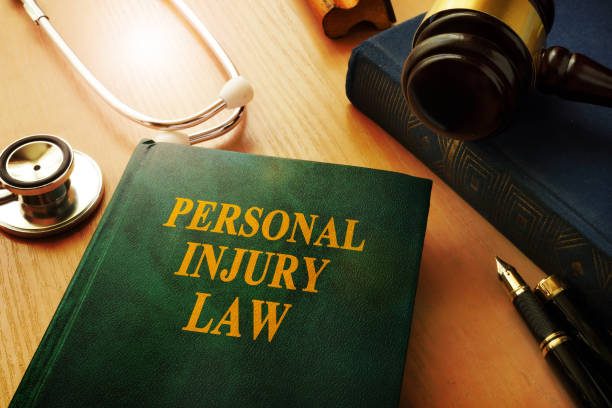
You may have a valid personal injury case if someone else’s negligence or wrongful actions caused your injuries, resulting in physical, emotional, or financial losses. While every situation is different, certain factors can help determine whether you have grounds to seek compensation.
Accidents happen every day, but not every accident leads to a successful legal claim. Understanding what makes a case valid can help you decide whether it is worth speaking with a personal injury attorney. If you have suffered harm because of another person’s carelessness, learning more about personal injury law is an important first step toward protecting your rights.
The first question in any personal injury claim is whether another person or party acted negligently. Negligence means someone failed to use reasonable care, and that failure caused an accident.
For example, a driver who runs a red light, a property owner who ignores dangerous conditions, or a business that fails to maintain safe premises may be considered negligent if their actions lead to injuries.
Without evidence of negligence, it may be difficult to recover compensation.
A valid personal injury case usually requires proof that you were actually injured. These injuries may be physical, emotional, or psychological, but they must have resulted from the accident.
Common examples include:
Medical records play a major role in proving both the existence and severity of your injuries. Seeking medical treatment soon after the accident also creates documentation that can support your claim.
It is not enough to simply show that you were injured. You must also prove that another person’s actions directly caused those injuries.
For example, if you slipped on a freshly mopped floor without warning signs, you would need evidence showing that the unsafe condition caused your fall and resulting injuries.
Establishing this connection is known as proving causation, and it is one of the most important parts of any personal injury case.
Strong evidence can significantly improve the chances of a successful claim.
Helpful evidence may include:
The more evidence you have, the easier it becomes to demonstrate what happened and who was responsible.
Many personal injury claims involve measurable financial damages. These losses help determine the amount of compensation you may be entitled to receive.
Examples include:
You may also be able to seek compensation for pain and suffering, depending on the facts of your case and the laws in your state.
Even if you have a strong case, waiting too long can prevent you from recovering compensation.
Every state has a legal deadline, known as the statute of limitations, for filing personal injury lawsuits. For example, many claims are governed by statutes such as California Code of Civil Procedure § 335.1, which generally provides a two-year deadline for filing most personal injury actions in California.
Missing the deadline could result in your case being dismissed, making it important to act promptly.
Not every injury automatically creates a valid legal claim. An experienced personal injury attorney can review the facts, examine the available evidence, identify responsible parties, and explain your legal options.
Many attorneys offer an initial consultation where they assess whether your case has legal merit. This meeting also gives you the opportunity to ask questions about the claims process, possible compensation, and what to expect moving forward.
Seeking legal advice early can help preserve important evidence and prevent mistakes that could weaken your case.

Traumatic brain injuries can significantly affect a person’s quality of life by impacting physical health, memory, emotions, communication, and the ability to work or perform daily activities. …
Posted Jul 17, 2026 Healthcare
Connecting innovation decision makers to authoritative information, institutions, people and insights.

Medigy accurately delivers healthcare and technology information, news and insight from around the world.
Medigy surfaces the world's best crowdsourced health tech offerings with social interactions and peer reviews.
© 2026 Netspective Foundation, Inc. All Rights Reserved.
Built on Oct 14, 2026 at 6:06pm