

Managing Editor
@ShahidNShah
@ShahidNShah
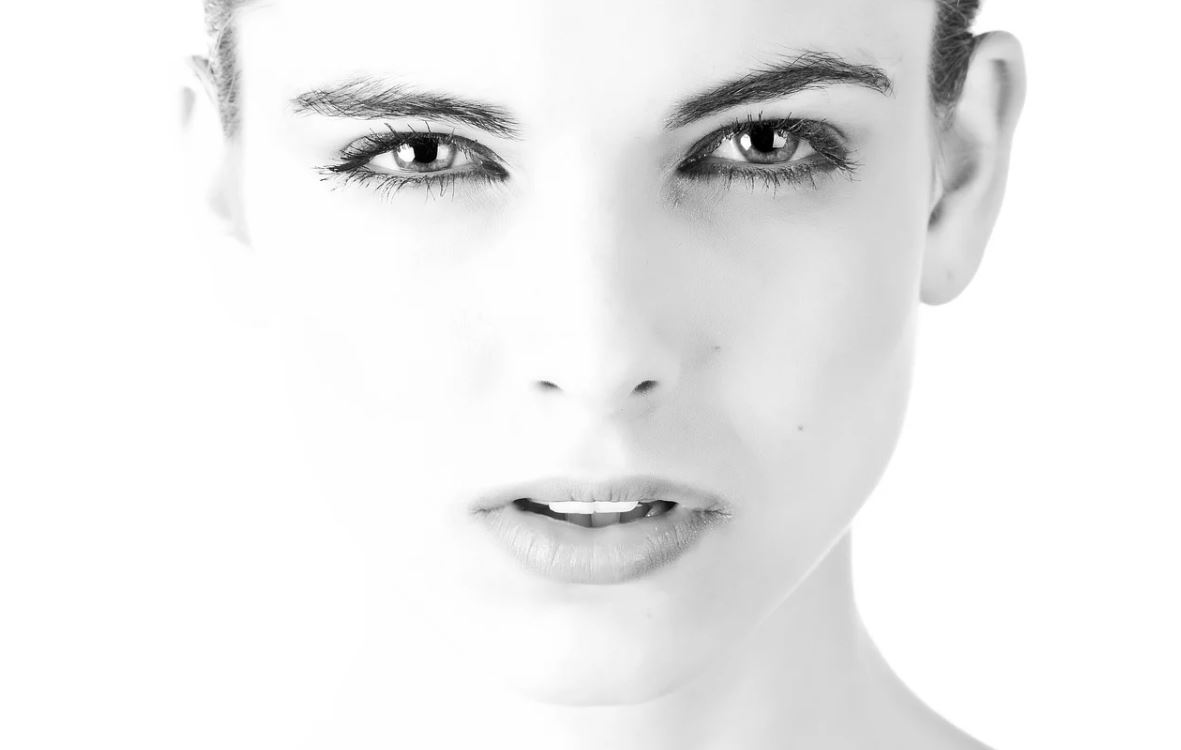
Facial aging is one of those things that creeps up gradually and then one day, the face in the mirror doesn’t quite reflect how you feel on the inside. The jawline softens. The skin around the eyes starts to look heavy. Deep folds appear where there used to be smooth, firm contours. For many people, these changes aren’t just cosmetic concerns. They affect confidence, how they’re perceived professionally, and how they feel when they look at a photograph.
Facial rejuvenation surgery has never been more refined or more in demand. According to the American Society of Plastic Surgeons, blepharoplasty was the number one facial cosmetic surgery in the U.S. in 2024, and rhinoplasty ranked second. For those considering this step, Greenwich, CT has built a strong reputation as a destination for high-calibre facial plastic surgery, home to board-certified surgeons known for natural, understated results.
To understand how plastic surgery corrects facial aging, it helps to understand what’s actually happening beneath the skin. Aging is not just about wrinkles, but it’s a multi-layered process that involves every structural component of the face:
Modern facial plastic surgery addresses these layers individually and in combination to produce results that look refreshed rather than operated on. The goal is never to erase all signs of age but to restore the natural proportions and firmness that time has gradually altered.
A facelift (rhytidectomy) remains the gold standard for addressing aging in the lower two-thirds of the face. It lifts and repositions the deeper SMAS layer, the muscle and tissue beneath the skin, rather than simply pulling the skin tighter. This is what produces results that move naturally and age gracefully.
A facelift most effectively addresses:
A well-performed facelift doesn’t pull the face tight or produce an unnatural expression. It repositions the facial architecture to where it was years earlier, allowing skin to rest naturally over a lifted foundation. Patients considering plastic surgery in Greenwich CT often cite the facelift as the procedure they’ve been quietly thinking about for years before taking the step. Dr. Andre Shomorony, brings a meticulous, anatomy-first approach to facial rejuvenation, focusing on restoring natural proportions rather than chasing a dramatically younger appearance.
The eyes are the most expressive feature of the face and often the first to show age. Blepharoplasty (eyelid surgery) addresses specific structural changes that make the eyes look tired, heavy, or older than they are.
Upper eyelid surgery removes excess skin that hooded the upper lid, restoring a more open, alert appearance and, in some cases, improving peripheral vision. Lower eyelid surgery addresses the fat pads beneath the eye that create persistent puffiness and under-eye bags, smoothing the transition between the lower lid and the cheek.
Many patients choose to combine upper and lower blepharoplasty in a single procedure. Others pair eyelid surgery with a brow lift to address drooping of the lateral brow that contributes to a tired or heavy appearance. Together, these procedures produce one of the most impactful refreshments to the face for the degree of intervention involved.
A brow lift elevates the brows to a more youthful position and smooths the horizontal lines and deep furrows across the forehead that can make a face look habitually tired or angry. When the brows descend with age, they can hood the upper eyelids from above and no amount of eyelid surgery will fully address what’s being caused by brow position.
Modern endoscopic brow lifts use small incisions within the hairline, producing minimal visible scarring and a recovery that most patients find straightforward. The result is a naturally refreshed upper face, not a startled expression, which is the hallmark of overcorrected lifts from an earlier era.
The nose changes with age, the tip can droop, cartilage can weaken, and the overall profile can shift in ways that alter the visual balance of the face. Rhinoplasty, when performed as part of a broader facial rejuvenation plan, can restore balance between the nose and the surrounding features as they change.
Complementary procedures that often work alongside surgical rejuvenation include:
The most natural-looking outcomes come from a coordinated approach, addressing the structural issues surgically while using complementary treatments to refine the surface.
Plastic surgery corrects the signs of facial aging by addressing the root causes, not just the surface. A facelift lifts and repositions the deep structural layer that gravity has pulled downward, restoring definition to the jaw and neck. Blepharoplasty removes the excess skin and fat that makes eyes look heavy and tired. A brow lift elevates drooping brows and opens the upper face. Fat grafting replaces the volume that time has taken away.
The result, when done well, isn’t a face that looks surgically altered. It’s a face that looks like yours, just the version that matches how you actually feel. If you’ve been weighing these options, a consultation with a board-certified facial plastic surgeon is the right first step. It costs nothing to have an honest conversation about what’s possible and whether the timing is right for you.

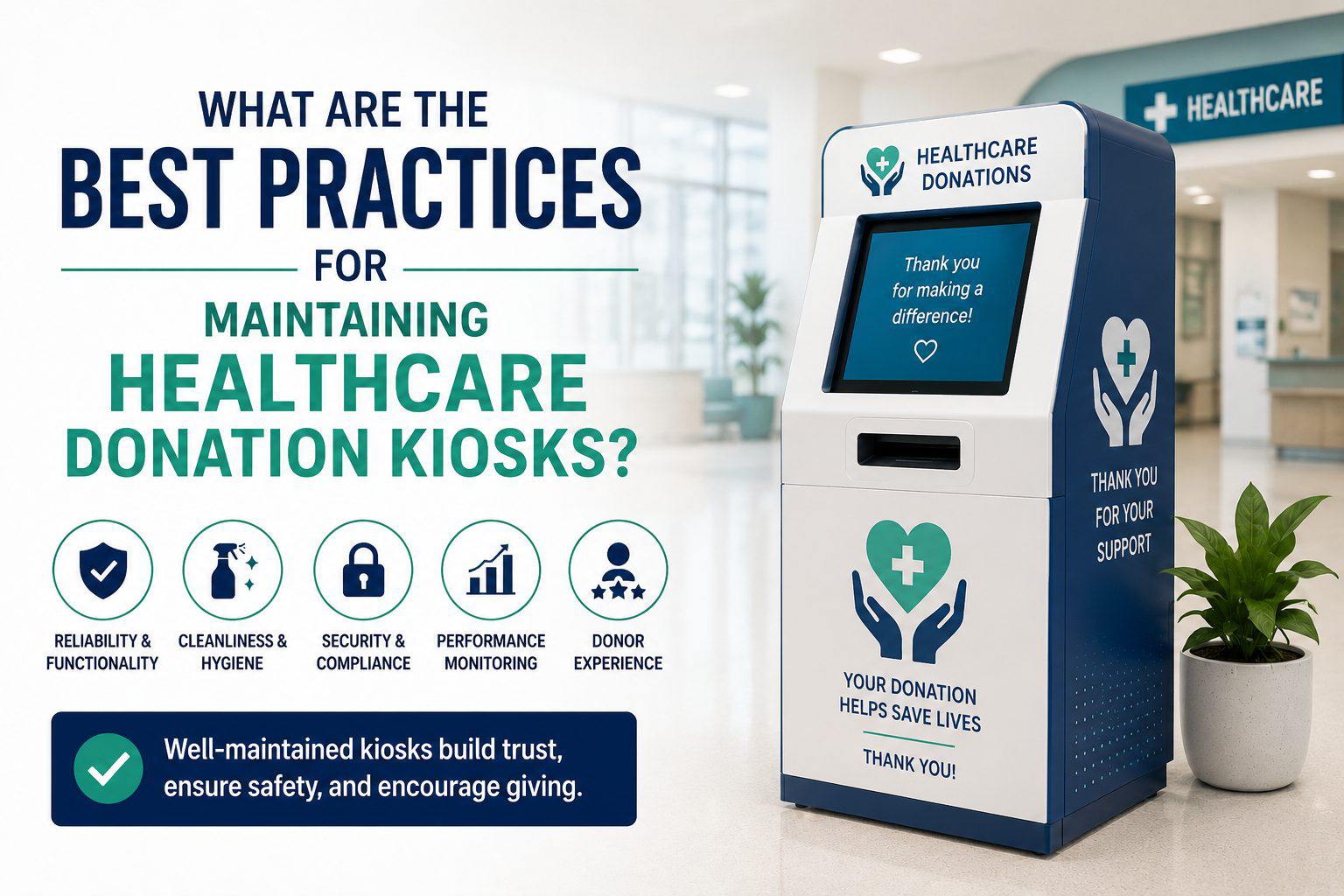
A donation kiosk that is sitting in a hospital lobby is doing something a little different from most kiosks. The people walking past it are going through something different… They have just …
Posted Jul 8, 2026 Health Technology
Connecting innovation decision makers to authoritative information, institutions, people and insights.

Medigy accurately delivers healthcare and technology information, news and insight from around the world.
Medigy surfaces the world's best crowdsourced health tech offerings with social interactions and peer reviews.
© 2026 Netspective Foundation, Inc. All Rights Reserved.
Built on Oct 18, 2026 at 6:05pm