

Managing Editor
@ShahidNShah
@ShahidNShah
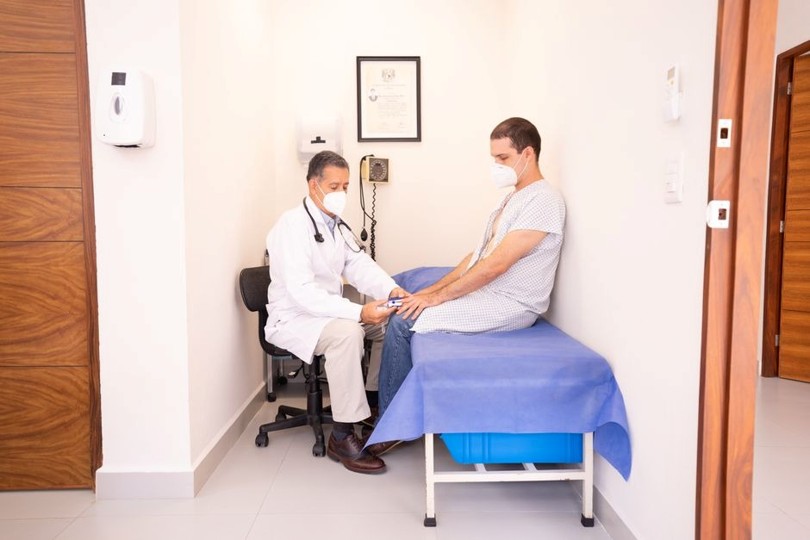
For a long time, health care was something people turned to only after something went wrong. A person felt unwell, booked an appointment, received treatment, and moved on until the next problem appeared. That pattern shaped how most of us think about our bodies.
We waited for symptoms, then reacted. Over the past decade, that thinking has started to shift. More people now want to understand how their bodies are working before anything breaks down, and they want practical ways to support energy, recovery, sleep, and long-term wellbeing while they still feel fine.
The change did not happen overnight. People began paying closer attention to how they felt day to day, not just whether they were sick. Poor sleep, low energy, slower recovery after exercise, and a general sense of running below capacity became things worth addressing rather than things to accept. At the same time, access to wellness services widened. Care that once sat inside hospitals or specialist offices became available in clinical settings built around everyday needs.
That shift matters because prevention works best when it is convenient. A treatment plan someone can actually keep up with will always do more good than an ideal plan they abandon after two weeks. Modern wellness providers understood this early and built their services around real schedules, short visits, and clear follow-up.
For anyone considering supervised wellness support, Onus IV Therapy + Longevity offers exactly the kind of care that fits into a working life. They feature personalized peptide and GLP-1 protocols, hydration and nutrient infusions, hormone support, and injectable treatments, all prescribed and monitored by an experienced medical team.
Ask someone why they booked a wellness appointment and the answer is rarely dramatic. They want to stop feeling tired by mid-afternoon. They want to recover faster after a hard week. They want their sleep to feel restorative instead of broken. They want to keep doing the things they enjoy without paying for it the next day.
These are modest goals, and that is precisely why they matter. Preventive health is built from small, repeatable improvements rather than single breakthroughs. When energy improves, people move more. When sleep improves, mood and focus follow. When recovery improves, training becomes consistent instead of stop-and-start. Each gain supports the next one, and over months the difference becomes obvious.
Wellness providers have adjusted to meet these expectations. Consultations now begin with a conversation about goals and history rather than a single complaint. Plans are built around what a person is trying to achieve, then adjusted as results come in.
One of the most important developments in this space has been the move toward properly supervised care. Wellness treatments are still treatments. They involve real substances, real doses, and real effects on the body. The difference between a safe experience and a risky one usually comes down to who is prescribing, who is monitoring, and where the product came from.
Supervised care means a qualified provider reviews health history before anything begins. It means dosing is decided by someone trained to decide it, and adjusted based on how a person responds. It means treatments are sourced through licensed pharmacies rather than unregulated suppliers.
Recovery used to be an afterthought. People trained hard, worked long hours, and assumed rest would sort itself out. That assumption has quietly collapsed. Recovery is now understood as an active part of health rather than the absence of activity.
This applies well beyond athletes. Anyone who works long days, travels often, or carries a demanding schedule is running a recovery deficit. Muscles repair more slowly. Sleep quality drops. Immune function suffers. Wellness care has responded by treating recovery as something to support directly, through hydration, nutrient support, sleep quality, and treatments aimed at helping the body repair itself more efficiently.
The practical result is that people feel the difference in ordinary life. Stairs feel easier. Workouts stop leaving a three-day shadow. Long days end with something left in reserve.
The word longevity can sound abstract, as though it belongs to research labs rather than ordinary people. In practice, it means something simple. Most people are not chasing extra decades. They want the years they have to be good ones. They want to stay active, stay independent, and stay capable of doing what they enjoy for as long as possible.
That reframing has made preventive health far more approachable. It stops being about avoiding disease and starts being about protecting capability. Strength, mobility, sleep, energy, and mental clarity are all things worth maintaining deliberately rather than watching decline and hoping for the best.
Anyone exploring wellness treatments should start by asking practical questions. Who will oversee the plan, and what are their qualifications? Where do the treatments come from? What does the consultation involve, and will health history actually be reviewed? How often will progress be checked? What happens if something needs adjusting?
A provider who answers these clearly is a provider worth considering. Vague answers, pressure to commit quickly, or a reluctance to discuss oversight are all reasons to keep looking.
It is also worth being honest about goals. Wellness care supports good habits; it does not replace them. Sleep, movement, nutrition, and stress management still do the heavy lifting. The best treatments work alongside those foundations rather than standing in for them.
The conversation has moved on. Health is no longer something to think about only when it fails. It is something to maintain, monitor, and support, in the same way people maintain anything they intend to rely on for a long time. Modern wellness care has made that approach realistic for ordinary people with ordinary schedules, and that is the real change worth noting.


Severe burns can affect almost every part of a person’s daily life. They may cause intense pain, permanent scarring, limited movement, emotional distress, and the need for ongoing medical care. …
Posted Sep 22, 2026 Care Management Pain Management
Connecting innovation decision makers to authoritative information, institutions, people and insights.

Medigy accurately delivers healthcare and technology information, news and insight from around the world.
Medigy surfaces the world's best crowdsourced health tech offerings with social interactions and peer reviews.
© 2026 Netspective Foundation, Inc. All Rights Reserved.
Built on Oct 14, 2026 at 5:06am