

Managing Editor
@ShahidNShah
@ShahidNShah
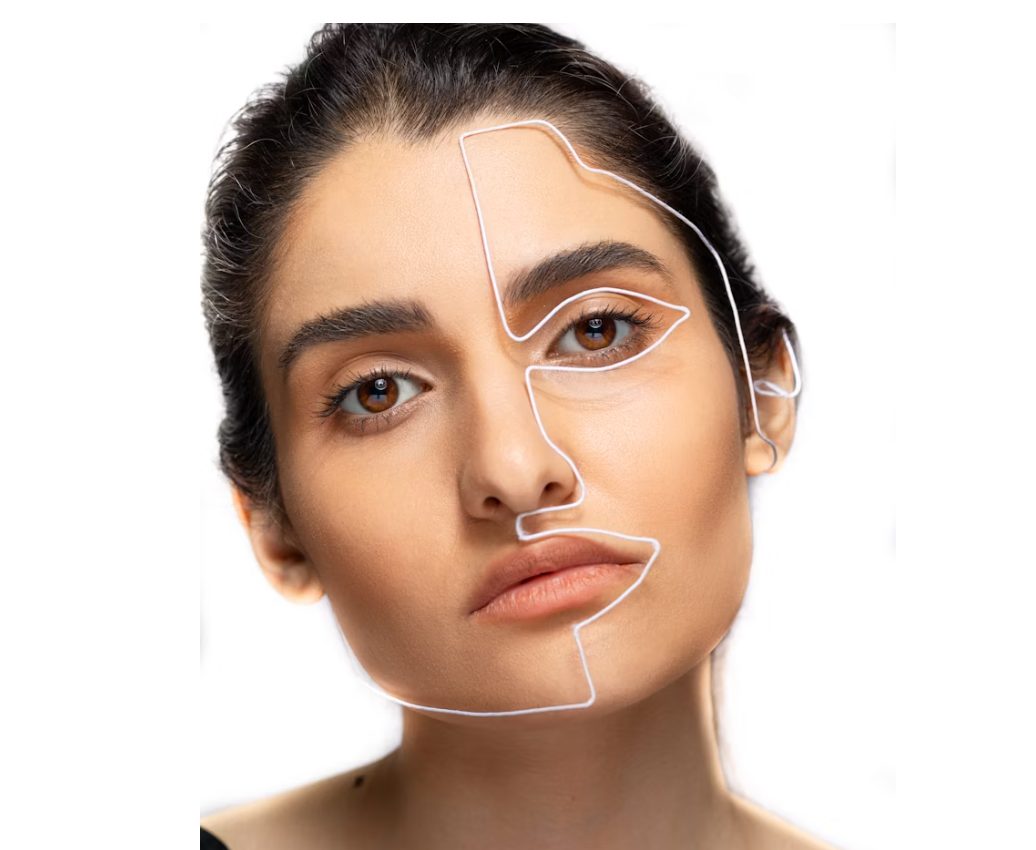
Fifteen years ago a consultation involved a mirror, a hand gesture, and a conversation where two people tried to describe the same imagined outcome using words. Patients left hoping they’d been understood. Surgeons operated on an interpretation. It worked more often than it should have, and the mismatches that did occur usually surfaced too late to do anything about.
Most of what’s changed since sits in the planning phase rather than the operating room, which is why patients notice the difference before surgery rather than during it. Practices across Toronto have adopted these tools at different rates, and the gap between a digital and a traditional consultation is now substantial.
The old model relied heavily on verbal description supplemented by photographs of other patients. A surgeon would explain what they intended, a patient would form a mental picture, and nobody could verify the two pictures matched.
That gap was the source of a meaningful share of dissatisfaction. A technically excellent result could still disappoint someone whose expectations had drifted somewhere else entirely, and there was no mechanism for catching that drift before the operation. Photographs of other patients helped, but they showed different faces with different starting anatomy, which limits how much they transfer.
Surface imaging and morphing software let patients see a projection of their own anatomy rather than someone else’s outcome. Research published through the NIH’s National Center for Biotechnology Information found that simulation accuracy correlated strongly with postoperative patient satisfaction in rhinoplasty, second only to physician aesthetic scores.
That finding is worth reading carefully. It suggests the value isn’t the image itself but the alignment it produces between what a patient expects and what a surgeon delivers, which is a communication benefit rather than a surgical one.
Measurements, markings, and operative sequences that once lived in a paper chart now exist as digital models that can be manipulated, measured, and revisited. This shift changes more than just how information is stored; it allows a surgeon to test and refine a plan well before ever making an incision, rather than working from static notes taken during a single consultation.
Asking how a practice actually uses imaging in planning, rather than only during consultation, is worth doing when researching plastic surgery in Toronto, since the two applications are genuinely different. Imaging technology forms part of the consultation process at practices such as Studio Plastic Surgery, and asking how closely a surgeon’s actual results track their own simulations tends to produce a far more revealing answer than simply asking whether they have the equipment.
Three-dimensional printing moved from prototype to practical tool across the last decade, and its applications in this field are specific rather than universal:
These matter most in reconstructive and craniofacial work, where anatomy varies enormously, and considerably less in routine aesthetic procedures, where standard components suit most patients well.
Standardized digital photography and imaging produce comparable records over time, which changes what follow-up can assess. Results that were previously evaluated by impression can now be measured against baseline.
This has consequences beyond record-keeping. It allows surgeons to track their own outcomes systematically, identify where a technique underperforms, and adjust accordingly. It also gives patients an objective reference when they suspect something has changed, which is more useful than trying to recall how something looked eighteen months earlier.
Honest limitations are worth stating, since the marketing rarely includes them:
A surgeon who explains where a simulation is likely to diverge from reality is giving you more accurate information than one who presents the image as a preview of the outcome.
For all the change in planning and documentation, the variables that most determine outcome remain stubbornly analogue. Surgeon judgment about what to leave alone, honest assessment of whether a patient’s expectations are achievable, and the willingness to decline an operation that shouldn’t happen are all unaffected by imaging technology. The tools improve communication and precision, which is genuinely valuable, and they don’t make a mediocre surgeon good or an unrealistic goal realistic.
When evaluating a practice, the equipment list is worth considerably less than the answers to questions about reasoning, and a consultation that uses imaging to set honest expectations is more useful than one that uses it to sell an outcome.


Finding the right assisted living community starts with one question: can it safely and comfortably meet your loved one’s needs today while adapting as those needs change? The best choice balances …
Posted Aug 18, 2026 Elderly
Connecting innovation decision makers to authoritative information, institutions, people and insights.

Medigy accurately delivers healthcare and technology information, news and insight from around the world.
Medigy surfaces the world's best crowdsourced health tech offerings with social interactions and peer reviews.
© 2026 Netspective Foundation, Inc. All Rights Reserved.
Built on Oct 18, 2026 at 6:05pm