

Managing Editor
@ShahidNShah
@ShahidNShah
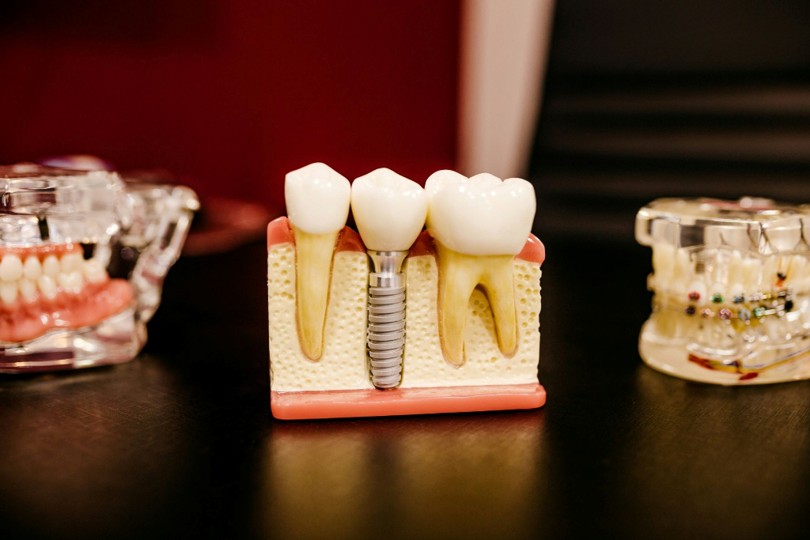
A cracked, worn or heavily restored tooth can affect more than appearance. It can change the way a person bites, cause sensitivity and eventually lead to more extensive treatment if the problem progresses.
Restorative dentistry focuses on repairing damaged teeth and replacing teeth that can no longer be preserved. Today, digital imaging, scanning, improved restorative materials and computer-assisted treatment planning are helping dentists assess these problems more precisely and plan appropriate treatment.
For patients, the important question is not simply which technology is newest. It is how that technology can help determine whether a tooth can be repaired and which treatment is most suitable.
Many restorative problems are not fully visible during a routine visual examination.
Digital dental imaging can help dentists assess decay, cracks, previous restorations and the structures surrounding a tooth.
This information is particularly important when deciding whether a damaged tooth may need:
Patients considering restorative dentistry in Sydney may require different treatments depending on the amount of healthy tooth structure remaining and the extent of the damage.
Traditionally, dental impressions often involved placing impression material inside the mouth to create a physical model of the teeth.
Digital intraoral scanners can instead capture a detailed three-dimensional representation of the teeth and bite.
These digital models may assist in planning restorations such as crowns and other custom-made dental treatments.
For patients, digital scanning can also make it easier to understand where a tooth has been damaged and how the proposed restoration is designed to protect it.
When a tooth has lost a substantial amount of structure, a filling may no longer provide enough protection.
A dental crown covers the visible part of the tooth and may be recommended when a tooth has:
Patients researching dental crowns Sydney should have the tooth assessed before deciding on treatment, as not every damaged tooth requires a crown.
The goal is usually to preserve as much healthy natural tooth as possible while providing enough strength for normal function.
Innovation in restorative dentistry also includes advances in dental materials.
Modern tooth-coloured composites, ceramics and zirconia can provide different combinations of strength, durability and appearance.
The most suitable material depends on factors such as:
A material that is suitable for a front tooth may not be the best choice for a heavily loaded back tooth.
Restorative dentistry does not only involve repairing existing teeth.
When a tooth cannot be saved, replacement options can include bridges, dentures and dental implants.
Digital imaging and three-dimensional treatment planning can help dentists assess available bone and surrounding anatomy when implant treatment is being considered.
The appropriate replacement option depends on the number of missing teeth, neighbouring teeth, gum health, bone condition and the patient’s treatment goals.
Technology can improve diagnosis and planning, but timing is still important.
A small area of decay may require a relatively simple restoration. If it progresses, more tooth structure can be lost.
Likewise, a minor crack may become more extensive if the tooth continues to absorb normal chewing forces.
Common reasons to seek a restorative dental assessment include:
Addressing these problems earlier may provide more treatment options.
The biggest benefit of innovation in restorative dentistry is not technology for its own sake.
It is the ability to gather better information, plan treatment more precisely and select a restoration based on the actual condition of the tooth.
For someone with a damaged, worn or missing tooth, the best starting point remains a dental assessment. Digital technology can support that assessment, but the final treatment decision should still be based on clinical findings, long-term function and the patient’s individual needs.

As consumers increasingly recognize that the scalp requires the same care, protection, and support as the skin on our faces, the demand for products addressing specific hair and scalp concerns is now …
Posted Sep 24, 2026 Dermatology Skincare
Connecting innovation decision makers to authoritative information, institutions, people and insights.

Medigy accurately delivers healthcare and technology information, news and insight from around the world.
Medigy surfaces the world's best crowdsourced health tech offerings with social interactions and peer reviews.
© 2026 Netspective Foundation, Inc. All Rights Reserved.
Built on Oct 15, 2026 at 6:05pm