

Managing Editor
@ShahidNShah
@ShahidNShah
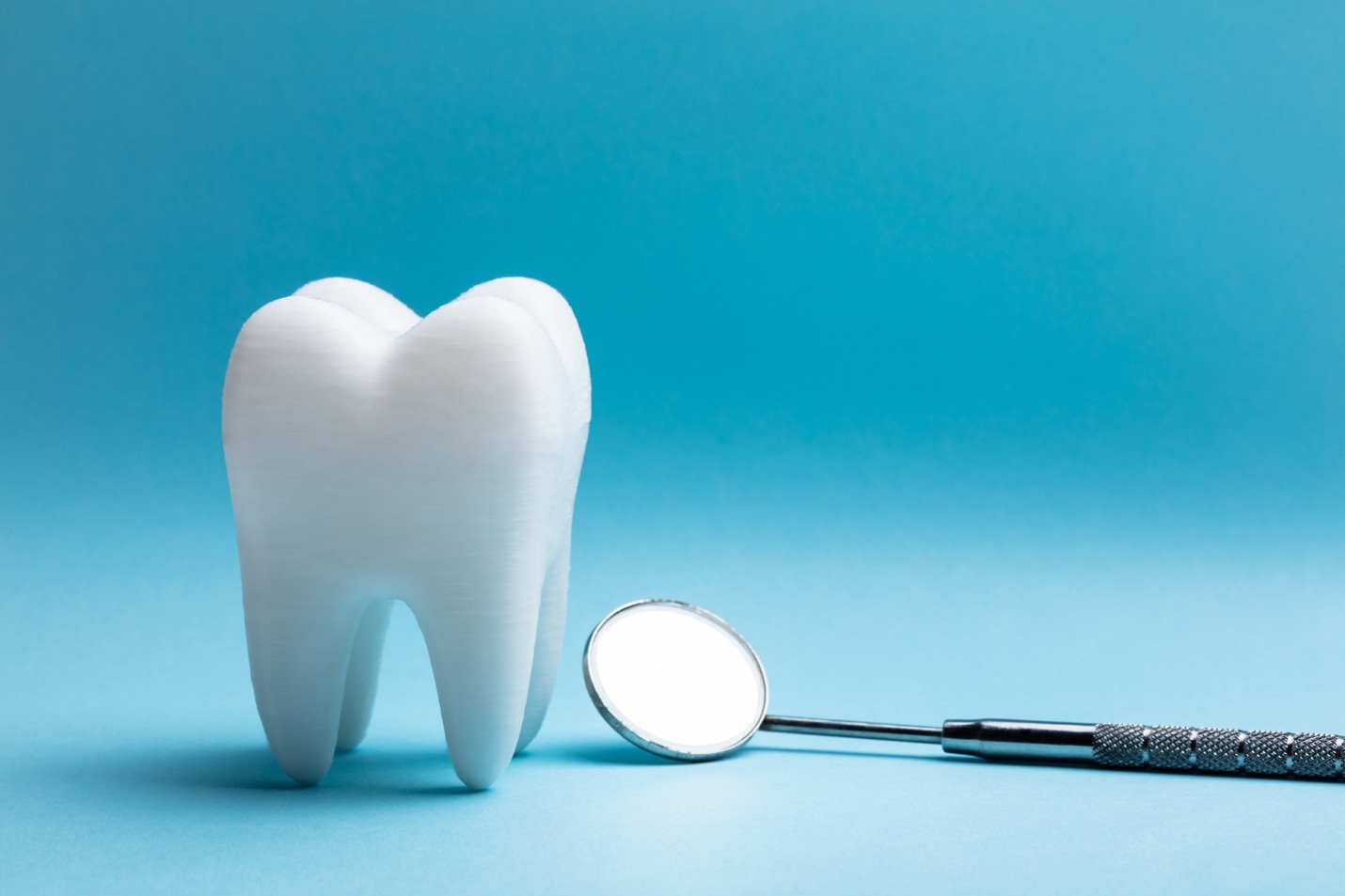
Dental materials have changed considerably as dentistry has gained better ways to restore damaged teeth, replace missing ones, and improve appearance. Some once routine materials remain useful today, while others have lost ground to alternatives with different mechanical or aesthetic properties. Looking at this progression shows how material science has influenced what dentists can offer patients.
Dental amalgam has a history stretching back well over a century. Made from a combination of metals that includes mercury, silver, tin, and copper, amalgam became widely used for fillings because it was durable and relatively easy to place.
Gold also developed a long history in dentistry. Its corrosion resistance and ability to withstand chewing forces made gold alloys useful for crowns, inlays, and other restorations. Cost and appearance, however, made these restorations less appealing to some patients as tooth-colored alternatives improved.
Older restorations still have material value after removal. Depending on their composition, crowns, bridges, and other dental scrap metals can contain precious or semi-precious metals that may be separated and recycled.
Composite resin helped shift restorative dentistry away from visibly metallic fillings. These materials combine a resin matrix with inorganic fillers and can be matched more closely to natural tooth color.
Composite materials also bond to tooth structure using adhesive techniques. This can allow dentists to preserve more healthy tooth tissue in certain situations because the restoration doesn’t rely entirely on mechanical retention.
The material has continued to improve over time. Changes in filler particles and resin chemistry have affected properties such as wear resistance. Even so, the appropriate restorative material still depends on factors such as the tooth’s location and the amount of structure that needs replacement.
Porcelain has long been valued for its ability to resemble natural enamel. Earlier ceramic restorations, however, could be vulnerable to fracture. Newer dental ceramics expanded those possibilities. Lithium disilicate combines translucency with greater strength, while zirconia is particularly useful where higher fracture resistance is needed.
Material selection now involves balancing strength with appearance. A highly translucent restoration may look particularly natural in a visible front tooth, while a stronger ceramic may be preferred in an area exposed to heavier chewing forces.
Material development has progressed alongside changes in manufacturing. Computer-aided design and manufacturing, commonly called CAD/CAM, allows restorations to be digitally planned and produced from blocks or discs of ceramic and other dental materials.
This has changed the workflow for certain crowns, bridges, and other restorations. Digital impressions can replace conventional impression materials in some cases, while milling systems can produce restorations from precisely manufactured materials.
Three-dimensional printing has introduced another production method. Depending on the application and approved material, dental 3D printing can be used for models and other products.
Dental materials have evolved from a relatively limited selection of metals and early restorative compounds into a much broader range of resins, ceramics, alloys, and digitally manufactured products. For more information, look over the infographic below.


Cybersecurity has become part of the regulatory work behind many connected medical devices. Manufacturers may spend months developing security controls yet still encounter submission problems because …
Posted Sep 9, 2026 Cybersecurity Medical Devices
Connecting innovation decision makers to authoritative information, institutions, people and insights.

Medigy accurately delivers healthcare and technology information, news and insight from around the world.
Medigy surfaces the world's best crowdsourced health tech offerings with social interactions and peer reviews.
© 2026 Netspective Foundation, Inc. All Rights Reserved.
Built on Oct 22, 2026 at 6:05pm
