

Managing Editor
@ShahidNShah
@ShahidNShah
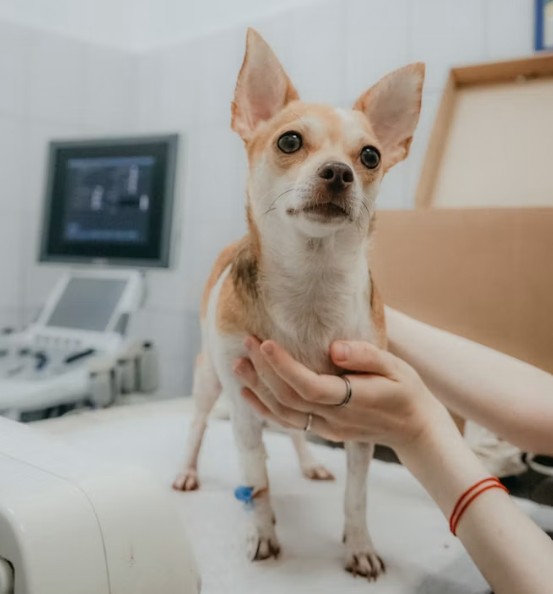
Veterinary radiology software has moved well beyond image storage. The strongest platforms in 2026 now help practices interpret radiographs, manage studies, organize diagnostic workflows, collaborate with specialists, and decide when a case needs deeper review.
That makes choosing a platform more complicated than comparing AI algorithms alone. A general practice reading routine radiographs has different needs from an emergency hospital managing time-sensitive cases, while a multi-location veterinary group may care just as much about PACS, standardization, and workflow visibility as interpretation speed.
SignalPET is the strongest overall veterinary radiology software platform for 2026 because it addresses a problem many practices encounter after adopting individual imaging tools: a single level of interpretation is not appropriate for every case.
Its 360° platform provides several distinct paths from the same radiology workflow. One of the more important developments is what happens when the AI lacks sufficient confidence. Rather than forcing the clinician to determine whether the model should be trusted, Complete Report can automatically escalate the case to a board-certified veterinary radiologist. That creates a different safety model from AI systems that simply return a confidence score and leave the entire escalation decision with the user.
The value is not simply having AI and radiologists on the same website. It is the ability to use different diagnostic depths without having to rebuild the imaging workflow each time. A routine thoracic study may only need rapid screening. A more uncertain case may benefit from a complete context-aware interpretation. Another study may require a signed radiologist’s report. All three situations can occur during the same clinical day.
SignalPET also includes a web-based PACS supporting multiple imaging modalities, including X-ray, ultrasound, CT, and MRI, which helps keep imaging and interpretation closer together rather than requiring separate systems for storage and analysis. For practices trying to standardize radiology without making every case follow the same diagnostic path, that layered model is a meaningful advantage.
Vetology combines automated veterinary radiology screening with traditional teleradiology in a platform designed for veterinarians who continue to perform their own primary interpretation.
Its AI analyzes canine and feline radiographs and produces structured findings, conclusions, and recommendations within minutes. A veterinarian can use that output as a second read and then request specialist interpretation when a case needs deeper evaluation.
Radimal is particularly well aligned with veterinary practices where radiology speed is closely connected to triage. Its AI automatically reviews canine and feline X-rays and can flag potentially urgent findings shortly after image submission. The company specifically positions the system around conditions where earlier prioritization can materially change workflow, such as obstruction, congestive heart failure, and gastric dilatation-volvulus.
That orientation makes Radimal different from software designed primarily to produce a more polished report. In an emergency hospital, the first question may not be “What is every finding on this study?” It may be “Which case needs attention immediately?” AI-driven prioritization can help answer that first.
IDEXX Web PACS approaches veterinary radiology from a different direction. Rather than centering the product on broad AI detection, IDEXX positions its web-based PACS as the imaging hub connecting acquisition, viewing, storage, practice software, and specialist consultation.
The software supports multiple modalities within one workflow, including X-ray, dental imaging, ultrasound, MRI, and CT. It integrates with many practice information management systems and connects directly to IDEXX Telemedicine Consultants.
Its AI features are embedded into the image-viewing workflow. The software can automatically organize studies using hanging protocols and provides automated vertebral heart score functionality for thoracic radiographs, including access to historical measurements for comparison.
Antech Imaging Services combines specialist radiology with AI-assisted interpretation through a broader veterinary diagnostics organization.
Its RapidRead service is the most relevant component for practices comparing AI radiology software. RapidRead analyzes radiographs using machine learning and incorporates imaging findings, signalment, and clinical observations to produce an assessment within minutes. Antech states that the technology was developed with its veterinary radiologists and data scientists and trained using a large imaging dataset.
Picoxia takes a narrower approach and concentrates heavily on AI-assisted radiograph interpretation. Veterinarians can submit images through the web platform, desktop application, or integrated imaging workflows, and the software automatically analyzes supported radiographs. It can accept common formats including DICOM, JPG, and PNG and generate automated reports from detected findings.
Its current capabilities are organized around specific anatomical areas rather than attempting to become an entire diagnostic environment. Some veterinary practices already have satisfactory PACS, specialist relationships, and case-management processes. They do not necessarily need another enterprise imaging environment. What they want is an automated second reader that can fit into the workflow they already have.
RAD365 belongs on this list for a different reason from most of the platforms above. Its veterinary offering concentrates on the operational infrastructure behind digital imaging, including cloud PACS, DICOM connectivity, intelligent routing, worklist management, multi-location imaging, and teleradiology workflows.
That matters because radiology problems are not always interpretation problems. A veterinary group may already have radiologists or an AI partner but still struggle with studies being routed manually, images living in different systems, prior examinations being difficult to locate, reports arriving outside the medical record, or multiple locations following different workflows.
Emergency hospitals should focus on speed, prioritization, 24/7 availability, and reliable escalation. AI can help surface potentially critical abnormalities quickly, but emergency teams also need access to deeper interpretation when findings are ambiguous or treatment decisions carry significant consequences. Turnaround consistency matters as much as headline speed because emergency radiology demand is unpredictable.
SignalPET is the strongest overall veterinary radiology platform for 2026 because it combines rapid AI screening, deeper context-aware AI reporting, board-certified radiologist interpretation, and PACS capabilities. Its layered model allows practices to use different levels of diagnostic support depending on the case instead of forcing every radiographic study through the same workflow.
Veterinary radiology AI is better viewed as an additional diagnostic layer rather than a universal replacement for radiologists. AI can provide rapid screening and support routine interpretation, while complex, ambiguous, advanced-imaging, or high-stakes cases may still require specialist review. Hybrid platforms are increasingly designed around this distinction by making escalation to a radiologist part of the workflow.
A veterinary PACS primarily manages imaging infrastructure. It stores studies, displays images, retrieves prior exams, connects modalities, and supports image sharing or routing. Radiology AI analyzes the images to provide diagnostic support. Some newer platforms combine both, but they solve different problems. A practice may have an excellent PACS and still choose a separate AI interpretation tool.


Ask most people what rhinoplasty is supposed to achieve, and “a smaller, straighter nose” is often the first answer that comes to mind. That assumption is exactly what ethnic rhinoplasty …
Posted Sep 9, 2026 Cosmetics
Connecting innovation decision makers to authoritative information, institutions, people and insights.

Medigy accurately delivers healthcare and technology information, news and insight from around the world.
Medigy surfaces the world's best crowdsourced health tech offerings with social interactions and peer reviews.
© 2026 Netspective Foundation, Inc. All Rights Reserved.
Built on Oct 21, 2026 at 5:05am