

Managing Editor
@ShahidNShah
@ShahidNShah
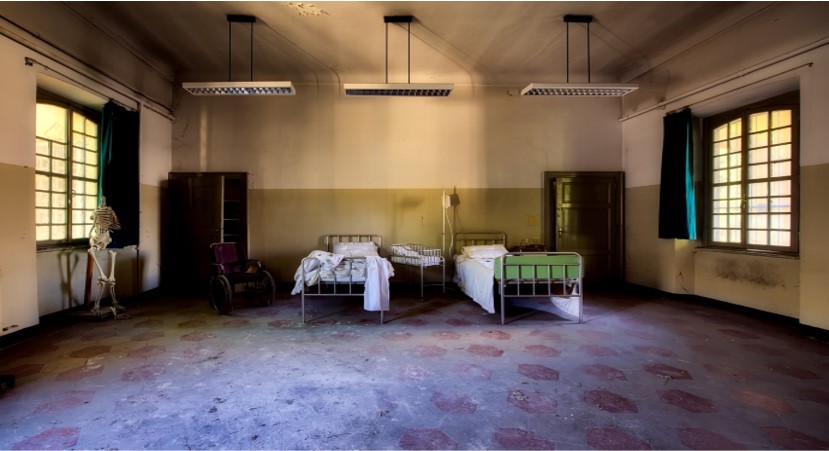
If you show up at the ER in withdrawal, you’re not walking into a full detox program. You’re entering a crisis unit whose first job is to keep you alive. You might get IV fluids, labs, meds for shaking or vomiting, maybe something for blood pressure or seizures, then be sent home or transferred before you feel “done.”
Understanding what the hospital can and can’t do for withdrawal changes how you prepare and what you ask for next.
During withdrawal, some symptoms indicate a medical emergency that requires immediate attention, rather than something to manage at home. You should go to the emergency room or call emergency services if you experience:
Alcohol and benzodiazepine withdrawal are particularly high-risk because they can cause seizures, delirium, very high blood pressure, irregular heart rhythms, and, in some cases, coma or death if not treated promptly. For people experiencing dangerous symptoms, emergency room detox may be the safest first step because ER staff can stabilize urgent withdrawal complications before the person transitions into ongoing care.
Opioid withdrawal is less likely to be fatal on its own but can still be dangerous. Medical care is especially important if there are signs of severe dehydration, chest pain, irregular heartbeat, difficulty breathing, stroke-like symptoms, or seizures.
If symptoms are getting worse quickly, it’s safer to seek urgent medical care rather than wait to see if they improve. Emergency departments are equipped to monitor vital signs, provide medications to control withdrawal symptoms, treat complications, and prevent the condition from becoming life-threatening.
When you arrive at the ER, the medical team first assesses how serious your condition is and what needs attention right away. They may ask about your substance use, medical history, current symptoms, and when you last used alcohol, opioids, benzodiazepines, or other substances.
Staff will usually check your blood pressure, heart rate, breathing, temperature, and overall mental status. They may also perform a physical exam and run blood or urine tests to check for dehydration, infection, organ strain, electrolyte problems, or other complications.
The ER team treats the most urgent medical problems first. If you are dehydrated or unable to keep fluids down, you may receive IV fluids and electrolytes. If you are vomiting, anxious, agitated, shaking, or in pain, they may provide medications to help control those symptoms. If your blood pressure or heart rate is dangerously high, they may treat that as well. If there is a seizure risk, staff may give medication to reduce that risk and monitor you closely.
Once you are medically stable, the ER team will decide what happens next. You may be discharged with instructions, referred to outpatient treatment, admitted to the hospital, or transferred to a detox or inpatient program.
The ER can be lifesaving when withdrawal becomes medically dangerous, but it is not designed to provide a complete detox process from beginning to end.
In most cases, ER care ends once you are no longer in immediate medical danger. That does not always mean withdrawal is over. It means you may need a safer next step, such as a detox program, outpatient treatment, or follow-up care with an addiction medicine provider.
Alcohol withdrawal can be dangerous, especially for people who drink heavily, drink daily, or have a history of seizures or severe withdrawal symptoms.
In the ER, alcohol withdrawal is treated as a serious medical condition because it can lead to seizures or delirium tremens. Staff may monitor your vital signs closely, run lab tests, and give medications to calm the nervous system and lower seizure risk. Benzodiazepines are commonly used for this purpose, though the exact medication and dose depend on your symptoms and medical history.
You may also receive IV fluids, electrolytes, thiamine, vitamins, or medication for nausea, anxiety, or blood pressure changes. If symptoms are severe or likely to worsen, the hospital may admit you or arrange transfer to a medically supervised detox program.
The main goal is to prevent life-threatening complications and determine where you can safely continue withdrawal care.
Opioid withdrawal is often extremely uncomfortable. While it is less likely than alcohol or benzodiazepine withdrawal to be fatal on its own, it can still become risky when symptoms are severe or when dehydration, pregnancy, other substance use, or serious health conditions are involved.
In the ER, clinicians may assess your symptoms, check your vital signs, and determine whether medication is appropriate. In some cases, they may start buprenorphine, a medication that can reduce opioid withdrawal symptoms and cravings. They may also provide medication for nausea, diarrhea, anxiety, pain, or dehydration.
Before discharge, ER staff may recommend follow-up care with an outpatient provider who can continue medication treatment. They may also provide information about counseling, recovery programs, overdose prevention, and naloxone.
The ER can help you get through the immediate crisis, but ongoing opioid treatment is usually needed to reduce the risk of relapse and overdose.
Benzodiazepine withdrawal can be medically dangerous, especially after long-term or high-dose use. Stopping suddenly can lead to seizures, severe agitation, confusion, hallucinations, or delirium.
In the ER, staff will assess your symptoms, vital signs, mental status, and seizure risk. Treatment often involves carefully dosed medications, sometimes benzodiazepines, to reduce withdrawal severity and prevent seizures. If a seizure occurs, the ER team focuses on rapid stabilization, including protecting the airway, supporting breathing and circulation, and giving appropriate medication.
Staff may also treat dehydration, electrolyte problems, or complications from other substances. Severe cases may require hospital admission or transfer to a medically supervised detox program.
The ER is the right place for immediate danger. A detox program is often the better place for planned or ongoing withdrawal care.
A detox center may be safer than trying to withdraw at home if you have a history of seizures, severe withdrawal, heavy alcohol or benzodiazepine use, multiple substance use, serious medical or mental health conditions, limited support at home, or past difficulty stopping safely.
Unlike the ER, a detox program is designed to monitor the full withdrawal process. Medical staff can observe symptoms over several days, adjust medications as symptoms change, manage complications, and help you transition into ongoing treatment.
Detox programs may also offer counseling, relapse-prevention planning, peer support, and referrals to inpatient or outpatient addiction treatment. This makes detox a more complete option when the goal is not just to get through a crisis, but to begin recovery with structure and support.
Even in a busy emergency room, you have the right to be evaluated for serious withdrawal symptoms. In most hospital emergency departments, staff must provide a medical screening exam to determine whether you have an emergency medical condition. If they find one, they must provide stabilizing treatment within the hospital’s capabilities or arrange an appropriate transfer.
Hospitals also generally cannot deny care, provide a lower standard of care, or treat you differently because you have a substance use disorder.
If you feel dismissed, stigmatized, or discharged without being properly evaluated, you can ask to speak with the charge nurse, a hospital social worker, a patient advocate, or the attending physician. You can also ask for your symptoms, concerns, and request for withdrawal treatment to be documented in your medical record.
If you are thinking about stopping or reducing alcohol, benzodiazepines, opioids, or other substances, planning ahead can reduce the risk of a medical emergency.
Stopping suddenly can be dangerous, especially with alcohol and benzodiazepines. Opioid withdrawal may not usually be fatal by itself, but it can be extremely difficult and may increase the risk of dehydration, relapse, or overdose.
A safer plan starts with talking to a medical professional before you stop. Depending on what you use, how much you use, and your medical history, you may need a tapering plan, medication-assisted treatment, residential detox, or inpatient care. This is especially important if you have had severe withdrawal before, use multiple substances, have a serious medical or psychiatric condition, or do not have reliable support at home.
It is also important to know the warning signs that require emergency care. Seizures, hallucinations, confusion, persistent vomiting, chest pain, severe agitation, trouble breathing, or suicidal thoughts should be treated as urgent symptoms.
Detox is only the first step. Before you begin, it helps to arrange follow-up care such as outpatient addiction treatment, counseling, support groups, or medication for opioid or alcohol use disorder. If opioids are involved, you or someone close to you should also have naloxone and know how to use it.
Having the next step in place before withdrawal begins can lower the risk of relapse and make the process safer.
When you understand what the ER can and can’t do for withdrawal, you’re better prepared and less scared. You’ll know when symptoms are a real emergency, what treatment to expect, and when a dedicated detox program is safer. Use the ER for true crises, but try to plan so you can detox in a setting that supports your whole recovery, not just your vital signs.

Behavioral health care has become one of the most urgent access issues in American health care. Patients need support earlier, providers need workable care models, and communities need services that …
Posted Jun 23, 2026 Behavioral Health Healthcare
Connecting innovation decision makers to authoritative information, institutions, people and insights.

Medigy accurately delivers healthcare and technology information, news and insight from around the world.
Medigy surfaces the world's best crowdsourced health tech offerings with social interactions and peer reviews.
© 2026 Netspective Foundation, Inc. All Rights Reserved.
Built on Oct 27, 2026 at 5:05am