

Managing Editor
@ShahidNShah
@ShahidNShah
Have you considered how gum health and blood sugar levels could affect your recovery from dental implant surgery? A dental implant involves more than replacing a missing tooth. It requires the surrounding gums and jawbone to heal properly, making your overall oral and general health important parts of the process. For people in Grand Island, Nebraska, and elsewhere, conditions such as gum disease and diabetes may influence treatment planning, healing and the risk of complications.
Understanding these factors before proceeding can help you have a more informed conversation with your dental team. This article provides general information, not medical advice, and explores what to know about gum health, blood sugar control and healing before deciding whether dental implants are right for you.
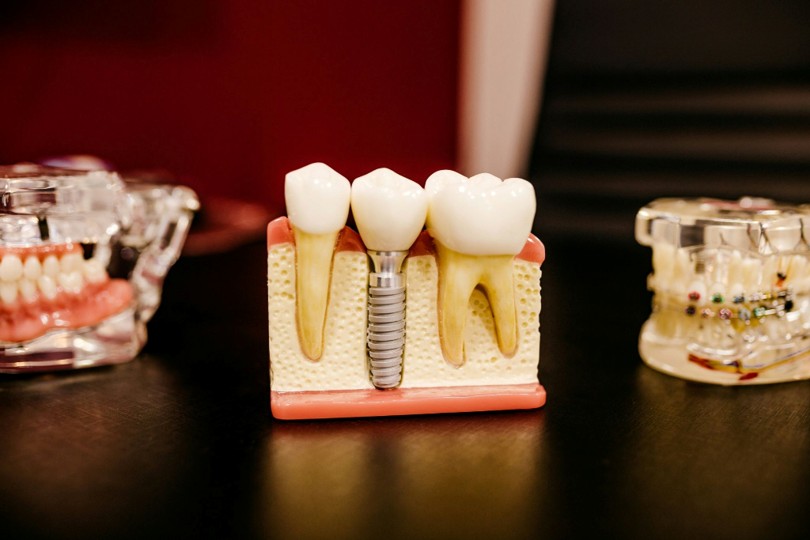
An implant is a titanium post set into the jawbone. Over the following months, bone grows around it and holds it in place, and that process is called osseointegration. A crown, bridge or denture is then attached on top.
Because the implant relies on healthy bone and gums, anything that affects healing or infection risk can matter. That includes gum disease, diabetes, smoking, some medications and poor oral hygiene. None of these automatically rules out an implant, but each one should be discussed and managed before treatment begins, not after a problem appears.
Gum disease, or periodontitis, is common. The Centers for Disease Control and Prevention says that about 4 in 10 U.S. adults 30 and older had periodontitis in 2009–2014, with about 60% of adults living with diabetes affected. Keep the limits in mind: those numbers come from a national survey from more than a decade ago, they describe how common gum disease is and not how it affects implant outcomes, and diabetes is one of several factors linked to it.
This matters because bacteria and inflammation around natural teeth can also affect implants. Dentists usually want gum disease treated and under control first, then they plan regular cleanings and checkups afterward. Look for these warning signs before any implant treatment:
If any of these sound familiar, mention them early, because treating the gums first usually gives an implant a better start.
Diabetes can affect how the body heals and fights infection, and gum disease can make blood sugar harder to manage. That is why dentists often ask about your diabetes type, your recent blood sugar readings and your medications before placing an implant. The CDC page also notes that untreated periodontitis can make other chronic conditions, such as diabetes, worse.
If you have diabetes, the practical steps are simple. Keep your blood sugar as steady as you can, share your latest results with both your dentist and your doctor, and ask whether your treatment plan needs adjusting. People whose diabetes is well controlled often heal differently from those whose levels swing widely, but your care team can judge your own risk better than any general rule.
A good consultation looks at your whole health, not just the missing tooth. Expect questions about your medical history, medications, smoking, and oral hygiene, along with an exam and imaging to check bone and gums. If you are exploring dental implants in Grand Island, NE, Stec & Stines Cosmetic & Family Dentistry offers dental implants along with periodontal therapy, bone grafting and sedation dentistry.
Whichever dentist you see, bring a short list of questions:
Clear answers to these questions help you judge whether the plan is realistic for you.
Healing takes time, and your own timeline may differ from someone else’s. Follow your dentist’s instructions closely, and keep these basics in mind:
These steps protect the early healing period, when the implant is most vulnerable.
Some discomfort is normal after surgery, but certain changes need attention. Contact your dentist if you notice worsening pain after the first few days, swelling that grows, fever, a bad taste or discharge, bleeding that will not stop, or an implant or crown that feels loose. Do not wait for your next scheduled visit. Early treatment is usually simpler, and it can save both the implant and the surrounding bone.
Dental implants can work well, but their success depends on more than the post itself. Gum disease, diabetes, smoking and medications all influence healing, so a thorough health review and a realistic plan matter. Treat gum problems first, keep blood sugar steady, ask clear questions at your consultation and follow aftercare closely. With good communication between you, your dentist and your doctor, you give the implant its best chance of lasting comfortably for years.


Receiving an unusual mammogram result can leave you uncertain about your breast health. However, an abnormal finding does not automatically mean you have breast cancer. Mammograms can detect changes …
Posted Oct 26, 2026 Cancer
Connecting innovation decision makers to authoritative information, institutions, people and insights.

Medigy accurately delivers healthcare and technology information, news and insight from around the world.
Medigy surfaces the world's best crowdsourced health tech offerings with social interactions and peer reviews.
© 2026 Netspective Foundation, Inc. All Rights Reserved.
Built on Oct 27, 2026 at 5:05am