

Managing Editor
@ShahidNShah
@ShahidNShah
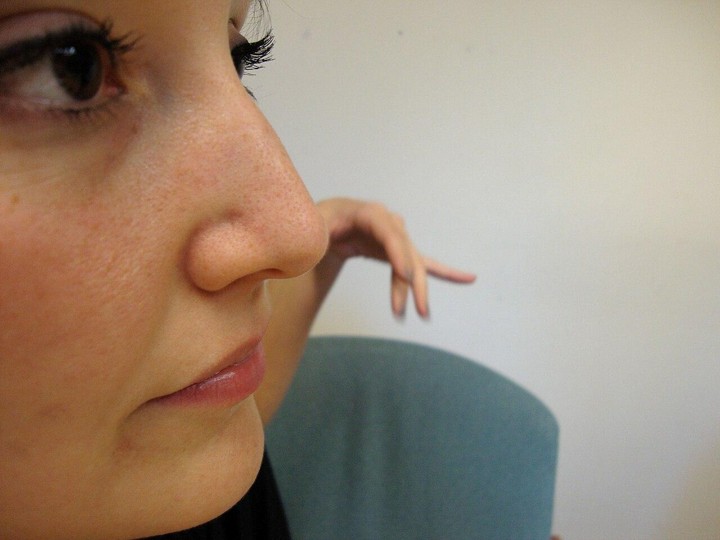
Filler placed in the nose can block a blood vessel and, in rare cases, cost a patient vision in one eye, according to a safety communication from the United States Food and Drug Administration. Liquid rhinoplasty still draws steady interest because treatment takes minutes and leaves no surgical scar. Safety depends less on the syringe and far more on patient selection and injector training.
Liquid rhinoplasty is an office procedure built around hyaluronic acid filler placed under the skin of the nose. Small amounts of gel can smooth a dorsal bump and lift a drooping tip slightly. Filler adds volume only, so a nose cannot become smaller through injections. Breathing problems stay outside the reach of filler as well, and surgery remains the route for size reduction or airway correction.
Injectors place filler above and below a dorsal bump so the bridge line reads straighter in profile. Added gel can also soften a dip along the bridge and raise a flat bridge in selected patients. Symmetry improves in some cases where one side of the nose sits lower or carries a dent from an old injury. None of those changes removes tissue or cartilage.
Patients hoping for a narrower nose hear a plain answer during a good consultation. Filler makes a nose larger in strict physical terms, even when a straighter profile looks more balanced in the mirror. Consultations at Visage Sculpture state that same limit in plain terms, telling patients who book non-surgical rhinoplasty in Boston MA that filler cannot shrink a nose or correct breathing. Honest limits protect patients from paying for a result no syringe can deliver.
Most patients leave the clinic with mild swelling around the injection points. Bruising shows up in a share of cases and fades across roughly one week. Redness and tenderness at the injection sites settle on a similar timeline. Small lumps can form under the skin and often soften as swelling drops.
Dermal fillers carry a generally sound safety record in trained hands, with side effects that are usually minor and brief. Asymmetry can appear once swelling fades, and clinics handle minor unevenness at a follow-up visit. Infection stays uncommon when clinics follow clean technique and single-use product rules.
Serious harm begins with filler entering a blood vessel instead of sitting under the skin. Blocked flow can starve nearby skin of blood and cause tissue death, called necrosis. Filler can also travel through connected vessels toward the eye and damage vision or cause blindness. Stroke has been reported after filler reached vessels linked to the brain. FDA lists the glabella, the nose, the forehead, and the skin around the eyes among sites where blockage has been reported more often.
Nasal anatomy explains much of that danger. Dense vessel networks run through the nose and connect with vessels feeding the eyes. Little room exists between skin and bone along the bridge, so even small filler amounts sit close to those vessels. Errors in such tight anatomy carry a higher price than errors in the cheek or the chin.
Risk rises further with certain products and certain patient histories. Permanent and long-lasting fillers leave no quick exit when placement goes wrong. Visage Sculpture works with several filler families, including hyaluronic acid products and calcium hydroxylapatite options. Only hyaluronic acid filler can be dissolved with hyaluronidase, an enzyme clinics keep for emergencies and unwanted results. Non-hyaluronic products such as Radiesse and Sculptra cannot be removed that way. Silicone filler sits in the same non-dissolvable group.
Training and anatomy knowledge sit at the top of every serious safety list. FDA advises injectors to know the anatomy at and around the injection site and to hold training matched to the task. Slow injection with the least pressure possible forms another core FDA recommendation. Small amounts placed in stages give the injector time to watch the skin for blanching or unusual pain.
Product choice carries part of the safety load. Hyaluronic acid earns its place in the nose partly through reversibility, since hyaluronidase can break the gel down after a blockage or a poor result. Results from nasal hyaluronic acid filler fade across roughly six to eighteen months, depending on the product. Approval status deserves plain speech at the consultation table. FDA approval covers a named product for a named use, and filler placement in the nose commonly sits outside approved labeling.
Safety method carries weight alongside training and product choice. Visage Sculpture uses a blunt cannula method for nasal filler, paired with Doppler ultrasound mapping of nasal vessels. Blunt cannulas have rounded tips and slide past vessels more readily than sharp needles in trained hands. Ultrasound mapping shows vessel position before injection and guides placement away from danger points.
Practice founder Masha Banar holds PA-C credentials and built the nose service after early work in plastic and reconstructive surgery at Boston Medical Center. Medical director Dr Jeannie Chung holds board certification in plastic surgery and oversees the practice. Such backgrounds matter because filler emergencies demand fast recognition and a written treatment plan. FDA guidance expects clinics to hold exactly that kind of plan before treating patients.
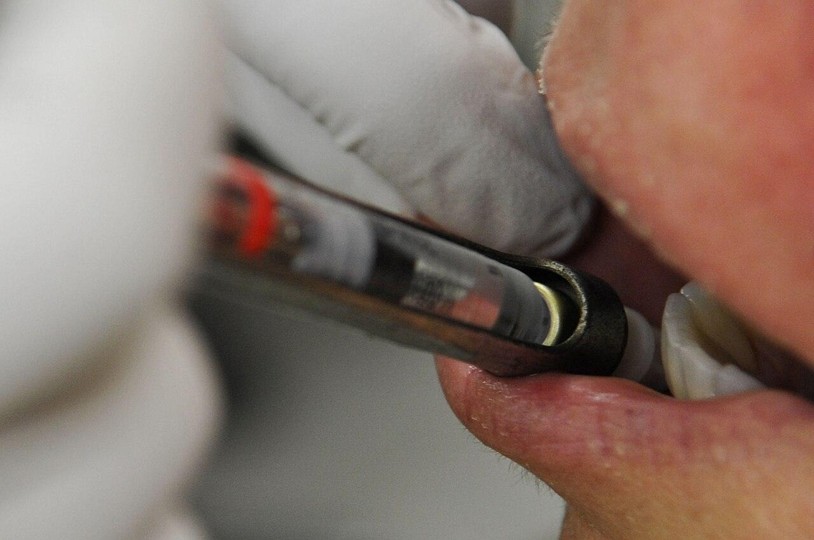
Good candidates want modest change and accept a temporary result. Nasal filler suits a visible bump or slight unevenness between the two sides. Patients seeking a smaller nose need a surgical consultation instead. Airway trouble and a deviated septum also point toward surgery.
Certain health histories call for delay or a firm no. Active skin infection near the nose rules out treatment until the skin clears. Prior nasal surgery changes vessel paths and raises the stakes for any injector. Allergy to filler ingredients or to hyaluronidase blocks the safety plan itself.
Visage Sculpture describes candidacy limits during consultation, including the plain fact that added volume cannot deliver a smaller nose. Pregnancy and breastfeeding sit on the defer list at most clinics because safety data for filler in those groups stays thin. Blood-thinning medicines and bleeding disorders call for a careful case-by-case review.
Pain out of proportion to a simple injection tops the warning list. Skin turning pale or dusky near the treated area signals failing blood flow. Vision changes after nasal filler count as an emergency on their own. Weakness on one side of the body and trouble speaking point toward stroke and demand an emergency call. Visage Sculpture names necrosis among possible complications of nasal filler during patient guidance discussions, and swelling counts among expected short-term effects.
Clinics should hand patients a written list of those signs before treatment day ends. Prompt treatment of a blockage gives tissue a real chance of recovery, and hyaluronidase works only when given early. Delay turns a treatable problem into permanent damage in the worst cases.
Strong consultations cover product choice and emergency planning in plain language. Patients can ask which filler will go into the nose and if the product can be dissolved. Training history and case volume for nasal filler deserve direct answers. Emergency stock matters as well, including hyaluronidase on site and a referral path to eye care.
Written aftercare instructions should name the warning signs and give a phone route for urgent concerns. Medigy coverage of medical technology that improves dermal filler safety walks through ultrasound guidance and imaging tools in filler practice. Patients weighing a clinic such as Visage Sculpture against surgical care gain most from candor about limits and risks. Candor of that sort before any payment marks a clinic taking safety seriously.


Modern healthcare runs on the internet. It supports virtual care through telehealth sessions, digital records, e-prescriptions, and remote patient monitoring. A patient without a stable internet …
Posted Oct 23, 2026 Fundamental Technologies Health Technology
Connecting innovation decision makers to authoritative information, institutions, people and insights.

Medigy accurately delivers healthcare and technology information, news and insight from around the world.
Medigy surfaces the world's best crowdsourced health tech offerings with social interactions and peer reviews.
© 2026 Netspective Foundation, Inc. All Rights Reserved.
Built on Oct 26, 2026 at 5:05am