

Managing Editor
@ShahidNShah
@ShahidNShah
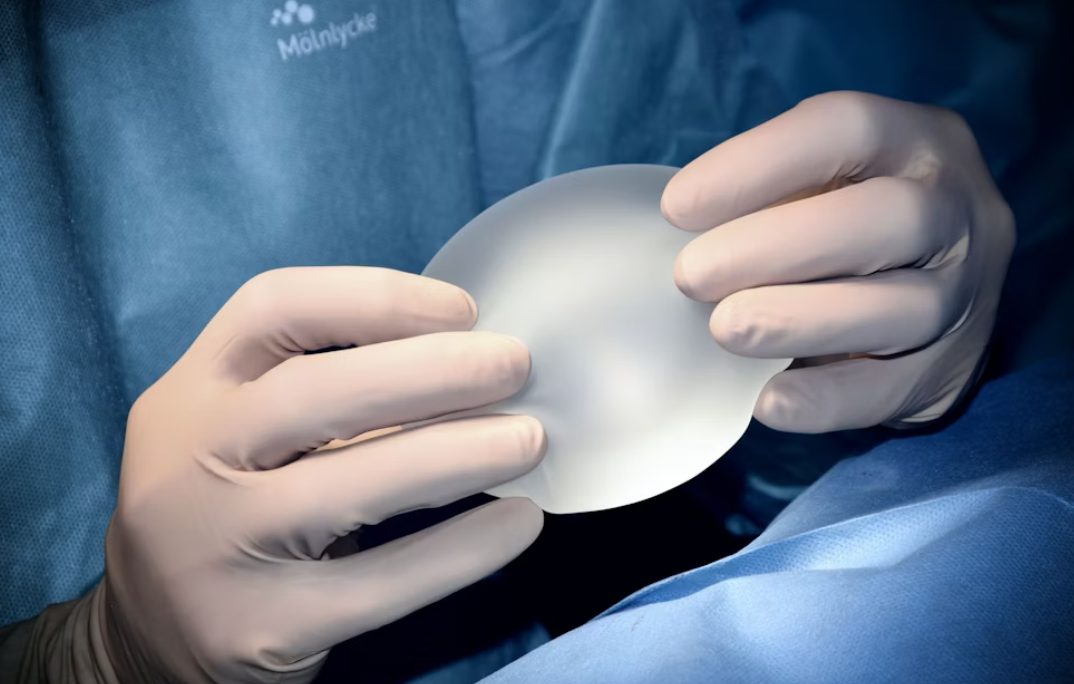
A laser source that costs $15,000 to replace can be destroyed by a cooling system component that costs $200 to maintain. That is the math behind chiller failures. It is also the reason cooling system neglect is one of the most expensive mistakes a practice can make with used cosmetic laser equipment for sale.
The cooling system does not generate revenue, and it won’t improve treatment outcomes. It runs quietly in the background, regulating the thermal environment that every other component depends on to function.
But when it fails, the damage is not limited to the chiller. It cascades through the laser source, optics, and electronics, often causing harm that far exceeds the cost of the cooling failure itself.
This guide explains how chiller failures occur and what they damage. It also covers how to build a maintenance routine that keeps the cooling system from becoming the most expensive weak point in your equipment.
Every aesthetic laser generates heat during operation. The laser source, the power supply, and in many systems the handpieces all produce thermal energy that must be removed continuously to keep the device within its designed operating range.
The cooling system manages this with a closed loop. Deionized or distilled water moves through the system, picks up heat from key parts, and carries it to the chiller. The chiller cools the water and sends it back through the loop.
If any part of this cycle fails, heat builds up in the parts it’s supposed to protect. The laser source is especially at risk. Overheating can permanently damage the gain medium, optical coatings, and resonator alignment. Even one long overheating event can lower the laser’s output for good, even if you fix the chiller right away.
That’s why chiller failures aren’t just maintenance problems, but they’re threats to your equipment’s survival.
Chiller failures rarely happen without warning. They develop gradually through neglect, contamination, or component wear that could have been caught with routine attention.
This is the most common and most preventable cause of cooling system problems in used aesthetic equipment for sale.
Aesthetic lasers need deionized or distilled water in the cooling loop. Using tap water, mineral-heavy water, or water that isn’t changed on time brings in impurities that cause three problems: mineral deposits build up and block flow, algae and bacteria can grow and clog passages, and dissolved minerals make the water more conductive, which can corrode metal parts inside.
The fix is simple: use only the water type specified by the manufacturer, replace it on the recommended schedule, and add corrosion inhibitors if the OEM documentation calls for them.
When the coolant drops below the minimum level, air enters the loop. Air pockets reduce heat transfer efficiency and cause the pump to cavitate, which accelerates pump wear and creates temperature instability.
Checking the coolant level each day takes less than a minute. If you skip this step, problems can build up quietly until the pump has trouble or the machine shuts down in the middle of a treatment.
The circulation pump moves coolant through the entire loop. After thousands of operating hours, bearings wear, impellers degrade, and the flow rate drops. The system still circulates water, but not fast enough to manage heat during sustained clinical use.
Early warning signs include:
A pump showing any of these signs needs attention before it fails completely. A failed pump means zero cooling, and that puts the laser source at immediate risk.
Coolant hoses are made of materials that degrade over time from thermal cycling, UV exposure, and chemical contact. They become stiff, brittle, or swollen, and eventually crack or develop slow leaks at the fittings.
A small coolant leak may not be visible during normal operation but can lower the system volume enough to cause temperature instability under clinical load. Inspect hoses visually and by touch during every scheduled service visit.
The direct cost of repairing or replacing a chiller component is modest relative to what the failure can destroy.
| Scenario | Direct Cost | Potential Cascade Damage |
| Pump replacement | $300 – $800 | Laser source degradation from sustained overheating: $10,000 – $50,000+ |
| Coolant flush and replacement | $100 – $300 | Corrosion damage to internal cooling passages: $2,000 – $5,000 in repair |
| Filter replacement | $50 – $150 | Reduced cooling efficiency leading to premature component wear |
| Hose and fitting replacement | $100 – $400 | Coolant leak causing electrical damage to adjacent components |
| Full chiller unit replacement | $1,500 – $4,000 | Extended downtime: $4,000 – $6,000 per day in lost treatment revenue |
Note: Cost ranges are estimates based on industry averages and vary by platform, region, and service provider. Cascade damage costs represent potential outcomes of unaddressed failures, not guaranteed results of every incident.
The pattern is consistent. Every dollar not spent on cooling system maintenance creates the potential for ten to fifty dollars in downstream damage. The cooling system is the cheapest part of the laser to maintain and the most expensive to ignore.
A structured cooling system maintenance routine is not complicated. It requires consistency more than expertise, and most of the daily and monthly tasks can be handled by the practice’s clinical staff.
If you are evaluating used cosmetic laser equipment for sale, the cooling system should be one of the first areas you inspect. A machine with a neglected cooling system may have already sustained damage to the laser source that is not immediately visible.
The cooling system will never be the most exciting part of your laser. But it is the part that every other component depends on to survive. A $200 coolant replacement protects a $15,000 laser source. A $50 filter swap prevents a $5,000 repair. A five-minute daily check avoids a week of downtime.
The Laser Agent evaluates the cooling system on every device in our inventory as part of our standard inspection process. When you buy a used laser for sale from our team, the cooling system’s condition is verified and documented before it ships.
If you are shopping for used cosmetic laser equipment for sale and want to know the machine’s full thermal history before you commit, reach out to our team.

Language barriers are among the most persistent and preventable sources of harm in clinical care. When a patient cannot reliably communicate with their care team, or when the documents in front of …
Posted Jun 26, 2026 Health Technology
Connecting innovation decision makers to authoritative information, institutions, people and insights.

Medigy accurately delivers healthcare and technology information, news and insight from around the world.
Medigy surfaces the world's best crowdsourced health tech offerings with social interactions and peer reviews.
© 2026 Netspective Foundation, Inc. All Rights Reserved.
Built on Oct 27, 2026 at 5:05am