

Managing Editor
@ShahidNShah
@ShahidNShah
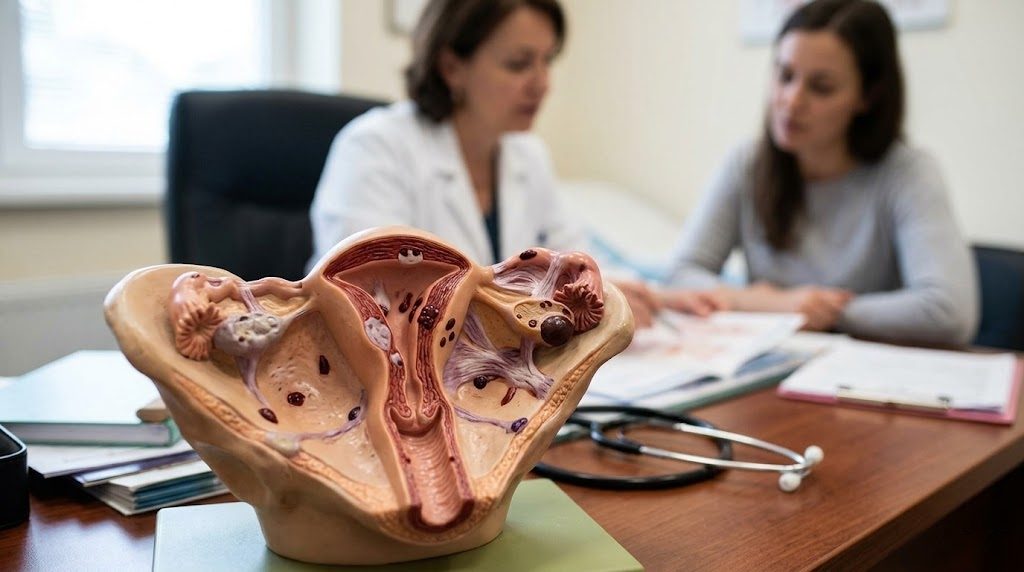
So many women in India are told that painful periods are “normal” — something every woman goes through, something to just manage with a painkiller and move on. But when the pain keeps coming back, gets worse every month, or starts affecting daily life, it is not something to ignore. Endometriosis is a real medical condition where tissue similar to the uterine lining grows outside the uterus. It does not go away on its own. And when left without any attention, it quietly causes damage that can take years to repair — sometimes it cannot be fully reversed at all.
Endometriosis is not the kind of condition that stays in one place. It grows. Over time, the misplaced tissue continues to bleed during every menstrual cycle, just like the uterine lining does — but because this blood has nowhere to go, it creates inflammation, irritation, and eventually scar tissue inside the body. Many women do not even realise they have endometriosis at Stage 1 or 2 because the symptoms feel like regular period pain. By the time it reaches Stage 3 or 4, the damage is already done in many cases. This is exactly why early attention matters more than most people think.
This is one of the most serious things that can happen when endometriosis is ignored for too long. The scar tissue and adhesions it creates can block the fallopian tubes, damage the ovaries, and affect egg quality over time. Many women also develop ovarian endometriomas — commonly called chocolate cysts — which directly reduce the ovarian reserve. Studies suggest that nearly 30 to 50 percent of women dealing with infertility have endometriosis as an underlying cause. What makes this more difficult is that many of these women had no idea they had the condition until they started trying to conceive.
Consulting an experienced endometriosis specialist at the right time — before things reach a critical stage — can make a meaningful difference in protecting fertility and reproductive health.
When endometriosis is not managed, it does not always stay near the uterus and ovaries. In more advanced cases, the tissue begins to grow into nearby organs like the bladder, bowel, and even the ureters — the tubes that carry urine from kidneys to the bladder. This is called Deep Infiltrating Endometriosis, or DIE. Women with this condition often experience painful urination, a frequent urge to use the washroom, blood in urine, painful bowel movements, and severe bloating. These symptoms are often mistaken for urinary infections or digestive issues, which delays the actual diagnosis even further. The longer organ involvement continues without treatment, the more complex the surgical correction becomes.
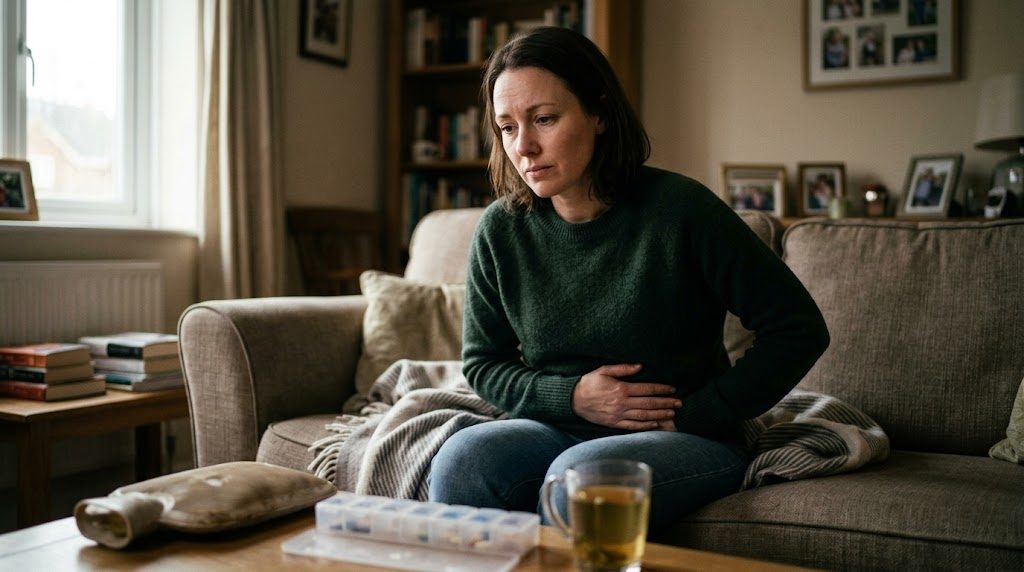
Pain is the most common complaint in endometriosis, and when the condition goes unaddressed, that pain does not stay at the same level — it gets worse. What starts as painful periods slowly turns into pain during everyday activities, during intercourse, while sitting for long hours, or even while walking. Over time, this becomes chronic pelvic pain that does not respond well to regular painkillers. Inflammation deepens, nerves get involved, and the pain cycle becomes harder to break. Sleep gets disrupted, concentration at work suffers, and basic quality of life takes a serious hit. This is not just a “bad period” — it is a condition that needs proper medical care.
Living with unexplained, recurring pain is exhausting — physically and emotionally. Many women with untreated endometriosis develop anxiety, depression, and a sense of isolation because they feel like nobody around them understands what they are going through. Some feel dismissed by doctors, some feel guilty about not being able to manage household or work responsibilities, and some silently suffer for years. This emotional burden is medically recognised and very real. If you or someone you know is going through this, please understand — it is not in your head, and you absolutely deserve proper care and support.

For women who are planning a family, untreated endometriosis adds another layer of concern. It has been linked to a higher risk of ectopic pregnancy, where the fertilised egg implants outside the uterus — which is a medical emergency. Some studies also point to increased chances of preterm labour, placenta-related complications, and miscarriage. This does not mean that every woman with endometriosis will face these problems, but the risk is certainly higher when the condition has been progressing without any management. Addressing it before trying to conceive is always a smarter and safer approach.
All the risks discussed above — infertility, organ damage, chronic pain, mental health struggles, and pregnancy complications — share one common factor: they are much easier to prevent or manage when endometriosis is caught early. Modern medicine has come a long way in managing this condition. From hormonal therapy that slows the progression to laparoscopic surgery that removes the affected tissue with precision, there are real solutions available today. Getting the right endometriosis treatment at the right time does not just relieve pain — it actively protects your organs, your fertility, and your overall health for the long term.
Endometriosis is not something that will just settle down if you wait long enough. It is a progressive condition, and every month without proper care is a month where it can quietly cause more damage. From blocked fallopian tubes to injured bladder walls, from worsening pelvic pain to emotional exhaustion — the consequences of delay are real and significant. But the good news is that with the right medical help, most of these outcomes can be avoided or effectively managed. If your periods are consistently painful, if something just feels off, or if you have been trying to conceive without success — please do not wait. Speak to a qualified doctor who understands this condition and get the answers your body deserves.


Healthcare prices used to be a secret. Now they are public, and there is so much of it that almost nobody can use the raw data without help. That is the whole reason the price transparency tool market …
Posted Jun 24, 2026 Health Technology
Connecting innovation decision makers to authoritative information, institutions, people and insights.

Medigy accurately delivers healthcare and technology information, news and insight from around the world.
Medigy surfaces the world's best crowdsourced health tech offerings with social interactions and peer reviews.
© 2026 Netspective Foundation, Inc. All Rights Reserved.
Built on Oct 27, 2026 at 5:05am