

Managing Editor
@ShahidNShah
@ShahidNShah
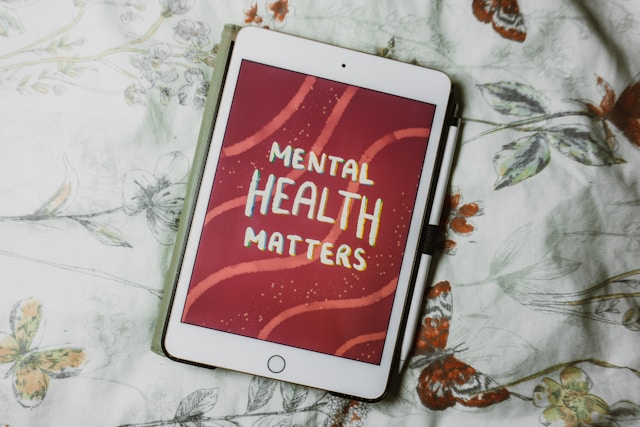
Imagine a person who is in distress. They might be unable to sleep at night. Alternatively, they might replay awful memories in their heads several times. Or, they may have anxiety at work, which they cannot identify. They know that they need help, but even when they search, they find nothing. There are long waiting lists, high expenses, and no mental health specialist nearby.
This is no unusual story. In fact, it’s the most frequent scenario for people who are searching for mental health care around the world. Since time immemorial, the gap in mental health care has always been a separation between the people wanting assistance and the actual availability of that help. For a while, that gap has only been increasing.
However, something is evolving. Technology is coming to the rescue. Although it is not flawless, it is now opening doors that were shut for too long.
Before discussing the solution, it is always good to know the problem well by asking questions like: What is the cause of the lack of support for those with mental health issues, when in fact they are in dire need of assistance?
The problems mentioned are not minor. These problems cause people to suffer in silence for months or even years without support. This silence means endless costs not only regarding relationships, work, and physical health but also life itself.
Telepsychiatry is secretly destroying at least some of these walls. Not all, but enough to help millions of people.
Telepsychiatry means meeting with a medical doctor via a video consultation rather than physically going to the doctor’s office. It all sounds simple, but this small change is transformative. For example:
This is not a chatbot or an app that gives generic advice, but a live interaction between a board-certified psychiatrist and a patient, which includes the psychiatrist sitting face-to-face with the patient, asking questions, analyzing the information, and planning a proper treatment regimen.
It’s a common fear that online care means less care. That the screen somehow makes the conversation less real or the treatment less effective. Research by the American Psychiatric Association suggests online psychiatric appointments can be even more effective than traditional appointments when conducted correctly and according to the right standards,
Why? This is because people generally feel unconfined and open in their own space. They also feel less judged. When someone feels comfortable, they tend to speak honestly, which leads to an accurate diagnosis and better treatment.
The main point here is that the same criteria must be followed. Just like a face-to-face psychiatrist has to adhere to the same guidelines as any other in-person psychiatrist. Longer appointments, thorough evaluations, careful medication management, and proper follow-up care. Not to say a rapid five-minute video call with a prescription at the end.
Here is the least-talked-about mental health treatment puzzle. Treatment isn’t a one-session deal, but it is a preventive process. Just like a person suffering from diabetes needs to have regular checkups to keep their condition under control, the person who is dealing with mental health issues (e.g., depression, anxiety, PTSD, insomnia, ADHD, OCD, schizophrenia, etc.) must have regular appointments to track their situation, get medication adjusted if needed, and stay on the right track in health care.
This is where technology makes its biggest impact. An online psychiatrist from platforms like GABA Telepsychiatry is available seven days a week, including weekends. That way, people no longer have to wait till the next available weekday appointment in a crisis. Timely care means minor problems do not turn into major crises.
Take the following example: if someone is suffering from a physical ailment and calls the doctor on Tuesday afternoon, it is likely the person can be seen the same day-why should a person who needs mental health treatment have to wait 3 weeks for their appointment? They should not. Now, through telepsychiatry, they often do not have to.
Many people are mentally disturbed, but they do not know what they are experiencing for a long time. They have a sense that something is off, but they can’t figure it out. They take one medication that does not work, and they quit.
Proper online psychiatric evaluations provide much-needed insight. They finally comprehend the troubles they are facing. This understanding pertains to a psychological transformation in itself. It removes guilt and instead focuses on knowledge. It replaces confusion with a plan and offers a clear path forward.
For example, people undergoing anxiety treatment can learn techniques to cope with everyday challenges more systematically without commuting and improve the emotional and interpersonal aspects of their lives.
The truth is that technology is not a cure-all. Some people still can’t use or access reliable internet. In addition, some people are more comfortable with in-person treatment. Moreover, insurance coverage and cost remain gray areas we are still tackling. These issues are important and should be addressed.
However, for the millions of people who have been stuck in that treatment gap, sometimes for years, even for their whole life, telepsychiatry opens a door that was not previously available. Walking through this door for priority mental health is what matters most, and it is also the first step toward psychiatric care.


Most people blame the mirror on sleep, sun, or stress. Fewer realise one of the biggest drivers of an “older” look is hiding inside the mouth, and it has almost nothing to do with …
Posted Sep 4, 2026 Dental Care Dentistry
Connecting innovation decision makers to authoritative information, institutions, people and insights.

Medigy accurately delivers healthcare and technology information, news and insight from around the world.
Medigy surfaces the world's best crowdsourced health tech offerings with social interactions and peer reviews.
© 2026 Netspective Foundation, Inc. All Rights Reserved.
Built on Oct 18, 2026 at 6:05pm