

Managing Editor
@ShahidNShah
@ShahidNShah
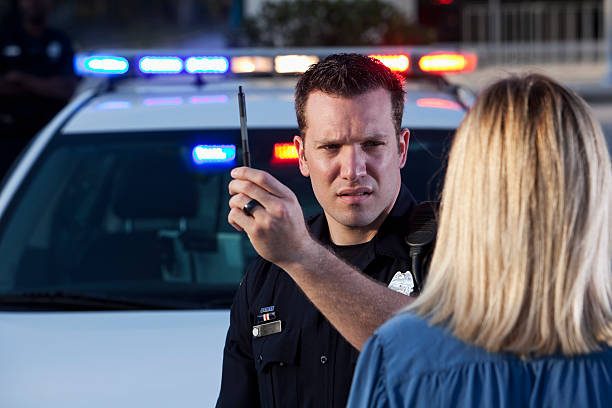
Yes. Anxiety, physical limitations, and certain medical conditions can all impact a person’s ability to perform field sobriety tests. In some cases, these factors may even produce signs that could be mistaken for impairment. While they do not automatically invalidate a test, they can still influence the results and become important considerations in a DWI case.
In busy metropolitan areas like Houston, where extensive highway systems and active law enforcement contribute to frequent DWI investigations, field sobriety tests are a common part of roadside procedures. However, it is important to recognize that these tests must be properly administered, and various external factors can affect their accuracy.
Because of this, when questions arise about the validity of field sobriety testing, a seasoned DWI defense lawyer in Houston can review whether anxiety, medical issues, or testing conditions may have played a role in the results.
The standardized Field Sobriety Tests (SFSTs) assess balance, coordination, attention, and direction.
There are three NHTSA-recommended tests:
These tests are used to assess if there is evidence of impairment but are not foolproof tests for intoxication.
An increasing number of people get tense when a police officer pulls them over. Physical responses to stress can manifest themselves as impairment.
Examples include:
Anxiety does not lead to intoxication but can impair performance on tests of balance and coordination. In certain instances, an officer may consider the above behaviors as evidence of impairment in the absence of other factors.
Field sobriety tests may be more challenging due to certain medical conditions, even if the driver is totally sober.
Common examples include:
NHTSA training materials recognize that physical conditions that can impact balance, walking, vision, or coordination will impact test performance.
Is it the ecological factors that matter or not?
They often do.
The NHTSA notes in its materials that the conditions on the road are not always ideal and can impact the value of test results.
The Texas DWI statute is typically found in the Texas Penal Code § 49.04 in Texas. Field sobriety tests may play a role in probable cause for arrest, but courts will consider the impact of medical or anxiety issues or improper testing procedures.
Attorneys for the defense will typically check:
The information can be useful to assess whether performance was impaired or not.

Non-surgical body contouring has moved from a peripheral offering in aesthetic medicine to a significant revenue category across outpatient practices in the United States. Advances in cryolipolysis, …
Posted Jun 26, 2026 Care Management
Connecting innovation decision makers to authoritative information, institutions, people and insights.

Medigy accurately delivers healthcare and technology information, news and insight from around the world.
Medigy surfaces the world's best crowdsourced health tech offerings with social interactions and peer reviews.
© 2026 Netspective Foundation, Inc. All Rights Reserved.
Built on Oct 12, 2026 at 5:05am