

Managing Editor
@ShahidNShah
@ShahidNShah
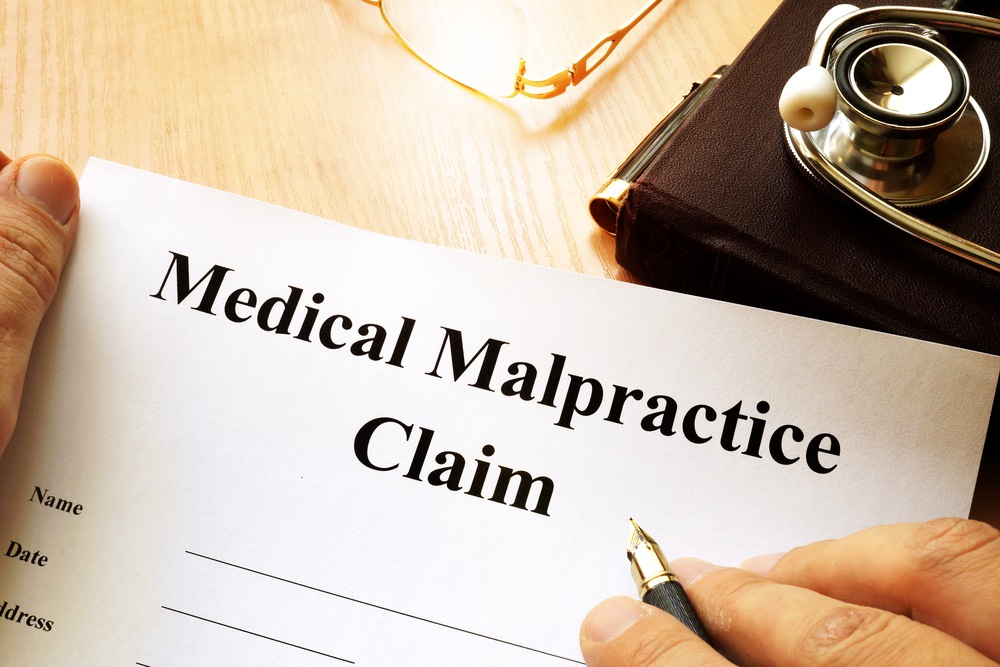
Anesthesia is meant to keep a patient safe and comfortable during a medical procedure, but a mistake can cause harm that reaches far beyond the operating room. A wrong dose, poor monitoring, or failure to respond to a dangerous change may create serious medical problems. Still, not every bad result means malpractice. The facts behind the care matter. Patients who suffer harm after anesthesia may choose to speak with an anesthesia errors lawyer about the circumstances. The key questions often involve the care provided, the injury that followed, and the connection between them.
The facts show that a healthcare provider failed to meet the expected standard of care and that the failure caused harm. Medical malpractice cases are not based only on the fact that a patient experienced a complication.
Anesthesia involves careful planning, medication decisions, patient monitoring, and quick responses to changes in the body. A possible error may involve giving an incorrect medication or dosage, failing to review important medical information, or not properly monitoring a patient during or after a procedure.
A claim may also involve a failure to respond to warning signs. Breathing problems, oxygen changes, blood pressure changes, or other serious developments may require prompt attention. Whether a provider acted properly depends on the facts and medical standards connected to the situation.
Some problems may begin before anesthesia is given. A provider may fail to review a patient’s allergies, medical history, current medications, or known health conditions. This information can be important when deciding which medication and dosage may be appropriate.
A failure to identify a known risk may create questions about the preparation and planning involved before the procedure. The medical records and facts of the case would need to be reviewed carefully.
Anesthesia errors may also happen during a procedure or during recovery. Possible concerns may include incorrect medication, poor monitoring, or a delayed response to a serious change in the patient’s condition.
Breathing problems, oxygen changes, blood pressure changes, or other complications may require prompt attention. Whether the response was appropriate depends on the specific medical circumstances and the expected standard of care.
A possible malpractice claim also involves the injury that followed the alleged mistake. Anesthesia problems may affect breathing, the brain, the heart, or other parts of the body. Some patients may need additional treatment or experience lasting health problems.
The timing of the injury may be important. Medical records can help show the patient’s condition before the procedure, the care provided during treatment, and the changes that appeared afterward.
The connection between the alleged error and the injury may also require careful review. A medical error must be connected to the harm being claimed, and medical records, test results, treatment notes, and professional opinions may help examine that issue.
Anesthesia cases can involve complex medical information, so keeping important records may help create a clearer timeline of the care provided and the injury that followed.
Useful records may include:
A patient may also keep notes about appointments, symptoms, treatment changes, and important conversations. These details can help preserve information that may not appear in one medical record.
Anesthesia care involves medical decisions that may be difficult for a patient or family member to evaluate alone. A medical record may contain technical terms, medication details, and monitoring information that require careful review.
A legal professional may examine the available information and identify questions that need further investigation. Medical professionals may also be needed to discuss the expected standard of care and whether the alleged error may have caused the injury.
A complication does not automatically prove negligence. Some medical problems may occur even after appropriate care, while other injuries may result from an avoidable mistake. The difference depends on the facts and requires more than a quick conclusion based only on the outcome.
Anesthesia errors can support a medical malpractice claim in some situations, but the result depends on the details of the care and the injury. The type of error, the medical standard involved, and the connection between the mistake and the harm may all need to be examined.
Patients who believe an anesthesia mistake caused serious harm may choose to speak with an anesthesia errors lawyer about their situation. Reviewing medical records, treatment details, and the effects of the injury can help identify the questions that deserve closer attention before deciding what legal options may be available.


Most people can spot a bad hair transplant across a room and struggle to explain why. The graft count was probably fine. The surgery may have been technically clean. What gives it away is design: …
Posted Aug 6, 2026 Dermatology HaH Barriers and Guidelines
Connecting innovation decision makers to authoritative information, institutions, people and insights.

Medigy accurately delivers healthcare and technology information, news and insight from around the world.
Medigy surfaces the world's best crowdsourced health tech offerings with social interactions and peer reviews.
© 2026 Netspective Foundation, Inc. All Rights Reserved.
Built on Oct 8, 2026 at 6:09pm