

Managing Editor
@ShahidNShah
@ShahidNShah
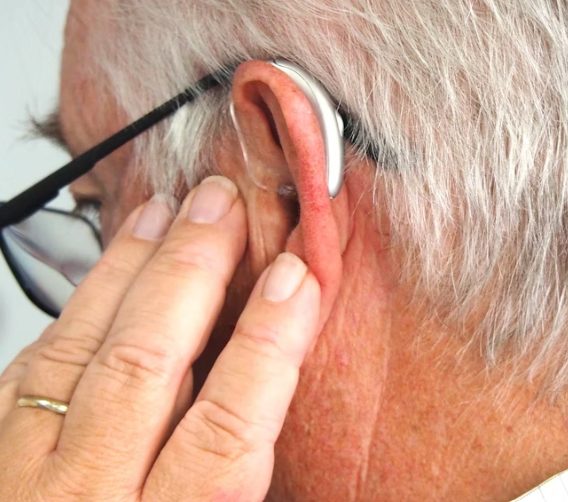
Occupational noise exposure remains one of the leading preventable causes of hearing impairment worldwide. Employees working in construction, manufacturing, mining, transportation, and heavy industrial environments are routinely exposed to hazardous noise generated by machinery, power tools, compressors, and production equipment. While the effects of excessive noise are often gradual and difficult to detect during the early stages, prolonged exposure can result in irreversible noise-induced hearing loss (NIHL), reduced communication ability, decreased workplace productivity, and diminished quality of life.
According to the World Health Organization (WHO), prolonged exposure to noise levels above 85 decibels (dB) significantly increases the risk of permanent hearing damage. Because occupational hearing loss develops progressively, preventive measures remain the most effective strategy for protecting workers throughout their careers.
Workplace noise is measured in decibels (dB), a logarithmic scale used to quantify sound intensity. Numerous industrial operations regularly exceed the recommended occupational exposure limit of 85 dB during an eight-hour workday. Equipment such as pneumatic drills, heavy machinery, grinders, compressors, forklifts, and metal fabrication tools frequently generate noise levels exceeding safe exposure thresholds.
Unlike traumatic injuries, hearing damage caused by excessive noise typically develops over months or years. Continuous exposure gradually damages the delicate structures of the inner ear without producing immediate pain, causing many workers to underestimate the severity of the risk until noticeable hearing impairment occurs.
The cochlea within the inner ear contains thousands of microscopic sensory hair cells responsible for converting sound vibrations into electrical signals that the brain interprets as sound. Repeated exposure to excessive noise overstimulates these sensory cells, resulting in progressive cellular damage.
Unlike many other tissues in the human body, cochlear hair cells do not regenerate once destroyed. Consequently, permanent hearing loss resulting from occupational noise cannot currently be reversed through medical treatment. This highlights the importance of preventive hearing conservation strategies rather than relying on therapeutic intervention after damage has occurred.
Early identification of hearing-related symptoms allows timely intervention before permanent impairment develops. Workers exposed to hazardous noise should monitor for symptoms including:
Although these symptoms may initially resolve after several hours, repeated occurrence indicates excessive occupational noise exposure and should prompt professional hearing evaluation.
Occupational hearing protection should follow the hierarchy of hazard controls. Engineering controls—including quieter equipment, machine maintenance, acoustic enclosures, vibration isolation, and sound-absorbing barriers—should be implemented whenever feasible to reduce noise at its source.
Where hazardous noise cannot be adequately eliminated, employers should provide appropriate personal protective equipment (PPE), including disposable foam earplugs, reusable earplugs, custom-molded hearing protectors, or earmuffs with suitable Noise Reduction Ratings (NRR).
The effectiveness of hearing protection depends heavily on proper selection, fit, and consistent use. Employees should receive regular training on correct insertion techniques, equipment inspection, replacement schedules, and workplace hearing protection policies.
Routine audiometric testing represents a critical component of occupational hearing conservation. Baseline hearing assessments conducted before or shortly after employment establish an individual’s hearing profile, enabling future comparisons to identify early threshold shifts associated with occupational noise exposure.
Periodic hearing evaluations help occupational health professionals detect subtle changes before significant hearing impairment develops. Early identification enables employers to strengthen preventive interventions, improve workplace controls, and reinforce hearing protection compliance.
Organizations that implement structured Hearing conservation programs in Kitchener provide employees with comprehensive hearing assessments, workplace noise monitoring, educational training, and ongoing preventive strategies designed to minimize occupational hearing risks while supporting regulatory compliance.
Successful hearing conservation extends beyond providing protective equipment. Organizations should cultivate a workplace culture where hearing protection is viewed as an essential component of occupational safety, comparable to hard hats, eye protection, and respiratory equipment.
Comprehensive hearing conservation programs should include:
When hearing conservation becomes integrated into everyday workplace practices, employees are more likely to adopt preventive behaviors that protect their long-term hearing health.
Noise-induced hearing loss remains one of the most common yet preventable occupational health conditions. Because hearing damage accumulates gradually and is largely irreversible, proactive prevention is essential. Combining engineering controls, appropriate hearing protection, regular audiometric testing, employee education, and comprehensive hearing conservation programs significantly reduces the risk of permanent hearing impairment.
Employers who prioritize occupational hearing health not only protect employee well-being but also improve communication, workplace safety, and long-term organizational performance. Investing in hearing conservation today helps preserve workers’ quality of life for decades to come.


Primary care doctors handle the everyday medical needs that affect long-term health. They evaluate new symptoms, monitor chronic conditions, provide preventive screenings, review medicines, and …
Posted Aug 4, 2026 Physicians
Connecting innovation decision makers to authoritative information, institutions, people and insights.

Medigy accurately delivers healthcare and technology information, news and insight from around the world.
Medigy surfaces the world's best crowdsourced health tech offerings with social interactions and peer reviews.
© 2026 Netspective Foundation, Inc. All Rights Reserved.
Built on Oct 8, 2026 at 6:09pm