

Managing Editor
@ShahidNShah
@ShahidNShah
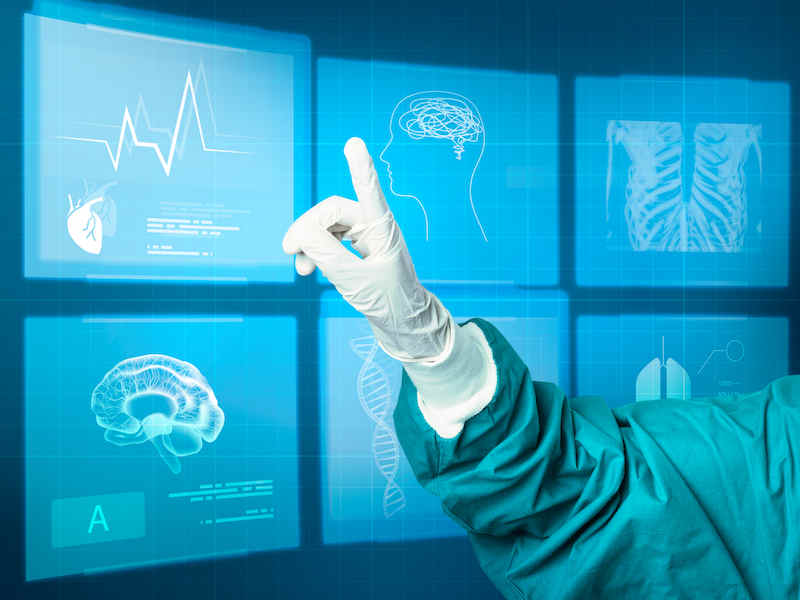
Medical education has long relied on stable, high-level program objectives to articulate the outcomes of undergraduate medical training. These objectives have served an essential role in defining professional identity, guiding curricular design, and ensuring accountability. However, the pace of contemporary clinical change increasingly exceeds the capacity of static curricular structures to adapt.
AI-driven medical education models are becoming increasingly important for preparing future U.S. physicians to work with digital health tools, predictive analytics, and automated clinical systems. The article also stresses that medical schools must balance technology adoption with ethical training, critical thinking, and patient-centered care to avoid overreliance on AI in clinical practice.
Continue reading at mededu.jmir.org

Rural populations often face higher mortality rates from manageable conditions and have a 20% higher prevalence of complex chronic conditions than urban residents. Limited access to primary care and …
Connecting innovation decision makers to authoritative information, institutions, people and insights.

Medigy accurately delivers healthcare and technology information, news and insight from around the world.
Medigy surfaces the world's best crowdsourced health tech offerings with social interactions and peer reviews.
© 2026 Netspective Foundation, Inc. All Rights Reserved.
Built on Oct 18, 2026 at 4:06pm
