

Managing Editor
@ShahidNShah
@ShahidNShah
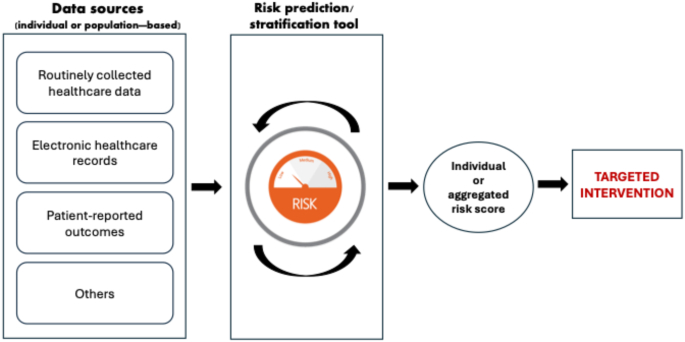
Population risk stratification (RS) tools have been proposed to tailor interventions, prioritize resources, and proactively manage high-risk individuals with chronic diseases in primary care settings. This study aims to explore the available evidence on the use of population RS tools in primary care settings, specifically evaluating the impact of targeted interventions based on RS tools on selected chronic patients and healthcare utilization outcomes.
Population risk stratification can help U.S. primary care providers identify high-risk patients earlier, enabling more proactive management of chronic diseases and reducing preventable hospitalizations. As healthcare shifts toward value-based care, integrating risk prediction tools with coordinated interventions could improve outcomes while lowering long-term healthcare costs.
Continue reading at link.springer.com
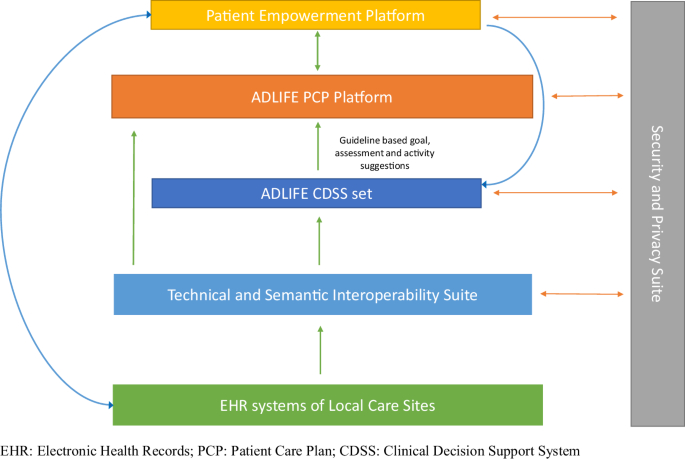
This multicentre, non-randomized, quasi-experimental study evaluated the effectiveness of the ADLIFE digital toolbox—comprising clinical decision support, care-plan management, and patient …
Connecting innovation decision makers to authoritative information, institutions, people and insights.

Medigy accurately delivers healthcare and technology information, news and insight from around the world.
Medigy surfaces the world's best crowdsourced health tech offerings with social interactions and peer reviews.
© 2026 Netspective Foundation, Inc. All Rights Reserved.
Built on Oct 25, 2026 at 5:05am
