

Managing Editor
@ShahidNShah
@ShahidNShah
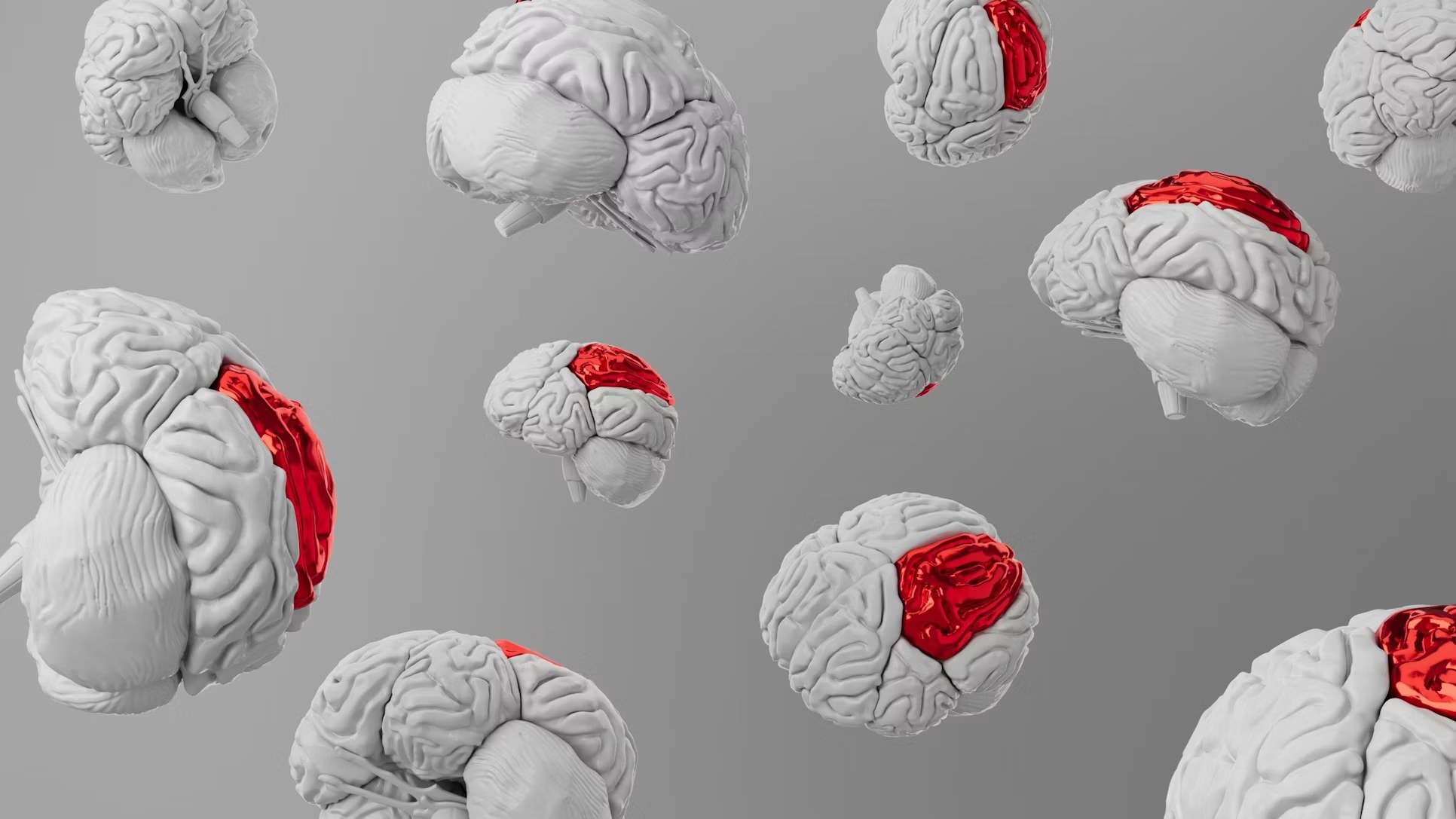
Getting Alzheimer’s and Parkinson’s trials right often comes down to a single question asked too late: were the right patients enrolled from the start? In CNS clinical trials, that question carries significant weight, because by the time symptom-based signals start to blur, the data has already been compromised. Sponsors working in biomarker-driven trial design have increasingly recognized that the answer lies in building imaging capability into the CRO selection process, not treating it as an afterthought.
Imaging biomarkers give trial teams an objective, standardized view of disease state before a single dose is administered. In Alzheimer’s disease and Parkinson’s disease specifically, where overlapping clinical presentations can distort both enrollment criteria and response measurement, this matters enormously. Centralized imaging reduces the variability that naturally accumulates across multi-site studies, helping to sharpen clinical trial endpoints and keep the data defensible at every stage of review.
What separates imaging-first CROs from the broader field is not just a service offering but an operational philosophy. These organizations are structured around biomarker workflows from the ground up, which allows sponsors to confirm patient eligibility earlier and with greater confidence. As the pharma industry’s evolving trial strategies continue to shift toward precision enrollment, that structural advantage is becoming harder to ignore.
Sponsors are not simply purchasing scans when they select an imaging-first CRO. They are selecting partners capable of managing centralized reads, maintaining site consistency, and enforcing endpoint discipline through clinical trial imaging. That operational capability is what turns a biomarker strategy into an executable trial design, and it is increasingly the differentiator sponsors evaluate before any other CRO criterion.
In Alzheimer’s disease and Parkinson’s disease trials, where symptom-based assessment alone can blur both enrollment and response signals, imaging capability functions as both a scientific and an operational advantage. It is not an added service layered onto a conventional CRO model. It is the foundation around which the trial is built.
Neurodegenerative trials present a specific set of design challenges that make imaging capability central rather than optional. Two of those challenges, enrollment quality and endpoint stability, are worth examining separately, because they affect different phases of the trial and require different solutions.
Alzheimer’s disease and Parkinson’s disease share clinical territory with several other conditions, making symptom-based screening an unreliable foundation for trial enrollment. Cognitive decline, motor disruption, and behavioral changes can each point in multiple directions, and that ambiguity feeds directly into elevated screen failure rates.
When sponsors rely too heavily on clinical observation at enrollment, they risk randomizing patients who do not meet the biological profile the protocol actually requires. PET imaging changes that dynamic by confirming the presence of disease-specific pathology before randomization, giving teams a cleaner, biologically grounded patient population to work with.
Even after enrollment closes, the trial faces a second layer of risk: measurement instability during the study itself. Cognitive assessments administered across dozens of sites introduce rater variability that can widen confidence intervals and obscure real treatment effects.
Placebo response is an additional complication in CNS research, where subjective improvement can mimic genuine drug benefit in ways that are difficult to disentangle from clinical scores alone. Imaging biomarkers offer a more durable alternative. Because they produce quantitative outputs that do not depend on clinician interpretation, they support endpoint interpretation that is less sensitive to site-level inconsistency. Routing scans through a core laboratory adds a further layer of standardization, ensuring that the same analytical criteria apply regardless of where or when a scan was acquired.
Together, these pressures explain why sponsors increasingly treat imaging not as a supplementary measure, but as a structural requirement for trial integrity.

Moving from general trial difficulty to practical risk management, two specific areas stand out: who enters the trial and how change is measured once they are in it. Both are structural problems, and imaging-first CROs address them at the infrastructure level.
Screen failure rates remain one of the most expensive and controllable sources of waste in CNS trials. When enrollment relies primarily on clinical observation, sponsors inevitably randomize some patients who do not carry the biological signature the protocol requires, and that misalignment quietly erodes study power before the intervention phase even begins.
Imaging biomarkers address this at the source. Amyloid PET, for example, allows teams to confirm amyloid pathology before randomization rather than inferring it from symptom presentation. Tau PET extends that capability further by mapping neurofibrillary tangle burden in specific brain regions, giving sponsors a biologically grounded enrollment threshold that clinical scales cannot replicate. The result is a patient population that more closely matches the intended trial target, which protects both statistical assumptions and downstream regulatory credibility.
Enrollment quality addresses one dimension of sponsor risk, but measurement quality across the full duration of the study addresses another. In multi-site trials, scan interpretation can drift when sites apply slightly different read criteria or when local radiologists are not calibrated to protocol-specific standards.
A centralized core laboratory model solves this by routing all imaging through a single analytical environment, ensuring that clinical trial endpoints are evaluated under consistent conditions regardless of geography. AI-driven imaging platforms add a further layer of precision when measuring subtle disease-related change, particularly with digital biomarkers that track volumetric or signal-intensity shifts over time. Sponsors working with advancements in medical imaging technology are finding that algorithmic reads reduce the inter-reader variability that historically widened confidence intervals in longitudinal CNS studies.
Non-imaging endpoints are not disappearing from Alzheimer’s and Parkinson’s trials. Cognitive scales, functional assessments, and fluid biomarkers such as neurofilament light chain each capture dimensions of disease that scans alone cannot fully represent. The question sponsors are working through is not which endpoint type to use, but how to combine them effectively.
The limitation of symptom-based measures in early intervention studies is that they tend to move slowly. Detectable clinical change often lags behind underlying biological activity by months, which creates a timing problem when sponsors need to confirm target engagement or assess disease modification early in a program. Imaging biomarkers can close that gap. Structural and functional changes visible on PET or MRI frequently precede behavioral or cognitive shifts, giving trial teams an earlier signal of whether a drug is affecting the intended biological pathway.
The strongest clinical trial endpoints tend to combine modalities. Pairing imaging with neurofilament light chain, digital biomarkers, or validated cognitive instruments gives sponsors converging lines of evidence rather than a single measure that any one confounder could undermine.
That said, imaging is not universally sufficient. Scan data confirms biological state but does not always translate directly to functional outcomes that regulators and payers prioritize. Peer-reviewed research continues to explore how imaging endpoints align with clinical meaningfulness, a question that remains active across the field.
Sponsor preference is not driven by operational convenience alone. FDA expectations around CNS clinical trials have shifted toward evidence packages that are more objective, reproducible, and defensible under regulatory scrutiny, and that shift is influencing how sponsors evaluate CRO partners from the outset.
Imaging biomarkers support that evidentiary standard directly. Scans generate quantitative outputs that document disease state and treatment response in ways that are easier to audit, easier to reproduce, and harder to challenge during review. Centralized quality control across imaging workflows means that every data point entering the submission package has been processed under consistent, traceable conditions.
For sponsors thinking ahead to regulatory approval, aligning trial execution with those expectations early is a strategic advantage. Choosing an imaging-first CRO means the infrastructure supporting the study already reflects the standards reviewers will apply to the data, reducing the risk of evidentiary gaps surfacing late in the development timeline.
When evaluating an imaging partner, sponsors typically assess several interconnected capabilities:
The move toward imaging-first CROs reflects something more fundamental than operational preference. Sponsors running Alzheimer’s disease and Parkinson’s disease programs need cleaner enrollment, more stable clinical trial endpoints, and a data package that holds up under regulatory review, and imaging biomarkers are increasingly central to delivering all three.
For CNS programs where biological precision determines everything downstream, imaging is no longer an optional layer. It is part of how trials are built. Sponsors who treat it that way from the start are making a structural decision, and increasingly, that decision is where competitive development timelines are won or lost.


Las Vegas is Nevada’s largest city and a major healthcare center for Southern Nevada, serving both a large local population and millions of visitors each year. With major hospitals and medical …
Posted Aug 19, 2026 Care Management Healthcare Healthcare
Connecting innovation decision makers to authoritative information, institutions, people and insights.

Medigy accurately delivers healthcare and technology information, news and insight from around the world.
Medigy surfaces the world's best crowdsourced health tech offerings with social interactions and peer reviews.
© 2026 Netspective Foundation, Inc. All Rights Reserved.
Built on Oct 23, 2026 at 5:05am