

Managing Editor
@ShahidNShah
@ShahidNShah

If you’re reading this, you’ve probably just received news that no one ever prepares you for. A failed IVF cycle doesn’t just feel like a medical setback; it feels deeply personal. Devastating, even. And the worst part? Nobody tells you why it happened.
That’s what this guide is for. Not just a list of clinical terms, but a real breakdown of why IVF fails, what each reason actually means for you, and most importantly, what you can do about it. Whether you’re just starting to explore IVF treatment in Palanpur or you’ve already been through a cycle that didn’t go the way you hoped, the right information and the right team at the best gynec hospital in Palanpur can make all the difference in what comes next.
Think of a failed cycle less as a dead end and more as data. Hard-won, painful data that your doctor can actually use.
IVF isn’t one thing. It’s a chain of five stages: ovarian stimulation, egg retrieval, fertilisation, embryo development, and finally the transfer and implantation. A failure at any single link breaks the entire chain.
Here’s something that most people skip: the majority of IVF failures don’t happen because of the transfer. They happen quietly, at the embryo level, days before a transfer is even attempted. Understanding where things went wrong in your cycle is the first question worth asking your specialist.
The most common cause of IVF failure is chromosomal abnormalities in the embryo. Research from Columbia University found that DNA replication errors can occur as early as the very first cell division, before the embryo is even two cells old. This is why IVF can fail even with good embryos that looked perfectly healthy under the microscope.
It’s not a lab mistake. It’s not something you did. Human reproduction is genuinely inefficient at the cellular level, which is why natural conception fails far more often than we talk about too.
The numbers are sobering. For women under 35, the implantation success rate per transfer sits around 43%. By ages 41–42, that drops to roughly 9%. Age matters here because older eggs carry a significantly higher rate of chromosomal abnormalities, a condition called aneuploidy.
Here’s the thing that most fertility experts skip entirely.
Hydrosalpinx: fluid-filled, blocked fallopian tubes can actually leak toxic fluid into the uterine cavity, actively poisoning the environment for an embryo. Studies suggest it reduces IVF success rates by up to 50%. It’s treatable, but only if it’s identified first.
Then there’s immune-mediated implantation failure. In some cases, the body’s own immune system attacks the embryo as if it were a foreign body. This remains a somewhat contested area in reproductive medicine, but it’s increasingly being taken seriously, particularly in cases of repeated IVF failure.
Environmental toxins, such as BPA in plastics, certain pesticides, and heavy metals, have also been linked to reduced egg and sperm quality. It won’t fix everything, but reducing exposure is genuinely worth doing.
Honestly, this is one of the most asked questions, and the answer is uncomfortable. Many failed implantations have no symptoms at all. No cramping. No bleeding. Nothing. The only definitive sign is a negative or falling beta-hCG test.
Some women notice a drop in early pregnancy symptoms if they experienced any, or light spotting around the time of expected implantation. One thing worth knowing: a chemical pregnancy (a very brief positive followed by a fall) is different from a failed implantation before any positive ever appeared. Your clinic should clarify which one you experienced it changes what comes next.
On the medical side, the most impactful intervention is preimplantation genetic testing (PGT). Testing embryos for chromosomal abnormalities before transfer raises the success rate per transfer to somewhere between 50-70% in many studies. It’s not cheap, and it’s not right for everyone, but for women with repeated IVF failures or those over 37, the conversation is worth having.
The endometrial receptivity analysis (ERA) test identifies the precise window in which your uterus is most receptive to implantation, a window that varies person to person. For women with unexplained repeated failure, it’s been a genuine game-changer.
Frozen embryo transfers also consistently show better outcomes than fresh transfers in certain patient groups, largely because the uterus isn’t dealing with residual hormonal stimulation from retrieval.
Lifestyle changes? They matter, but let’s be realistic. Not smoking and maintaining a healthy weight are the two with the clearest evidence. Cutting alcohol and any kind of Intoxication entirely during a cycle is essential. Beyond that, while a good diet won’t overcome chromosomal abnormalities, a poor one won’t help either.

Before jumping straight into another cycle, ask for a full review. Specifically, ask your doctor:
Second IVF cycle success rates are often higher than the first, particularly once the clinic has data from your body’s response. Repeated IVF failure, typically defined as three or more failed transfers, warrants a deeper investigation before cycling again.
A failed IVF cycle is a loss. Full stop. The grief is real, and it doesn’t need to be explained or justified to anyone.
Research consistently shows that women undergoing IVF experience anxiety and depression rates comparable to those diagnosed with cancer or cardiac conditions. That’s not hyperbole, it’s in the literature. And yet, the emotional side is the section most fertility content skips in two sentences.
If you’re struggling, peer support groups and specialist fertility counsellors offer something a clinical appointment usually can’t: space to feel what you feel without a time limit. Taking a short break between cycles is also medically and emotionally valid it doesn’t mean giving up.
Nobody really prepares you for the weeks after. Here’s a rough map so you’re not navigating blind.
Weeks 1–2: Physical recovery Hormones drop, fatigue lingers, your cycle may feel off. Rest genuinely. Your body has been through a lot.
Weeks 2–4: The emotional weight settles The initial shock fades, and grief often hits harder here. Mood swings, numbness, and tension with your partner are all normal. One session with a fertility counsellor can help more than you’d expect.
Weeks 4–6: The review appointment Most clinics schedule a follow-up around this point. Come with questions. Ask exactly where the cycle broke down and what the data suggests for next steps.
Months 2–3: Tests and decisions ERA, hysteroscopy, PGT, karyotyping if additional testing is recommended, this is the window. It feels slow, but these results genuinely change treatment plans.
3 months and beyond: Whatever comes next Another cycle, a protocol change, a longer break, all valid. Resist the pressure to decide faster than you’re ready to. Moving forward deliberately beats moving forward reactively, every time.
A failed IVF cycle is not a verdict on your future. It’s one chapter a painful one, yes but not the last one. Every piece of information from that cycle is a clue your doctor can work with. Science is advancing fast. And if there’s one thing the data keeps showing, it’s that persistence, combined with the right information, makes a real difference.
Always consult a qualified fertility specialist before making any medical decisions. This article is for informational purposes only.

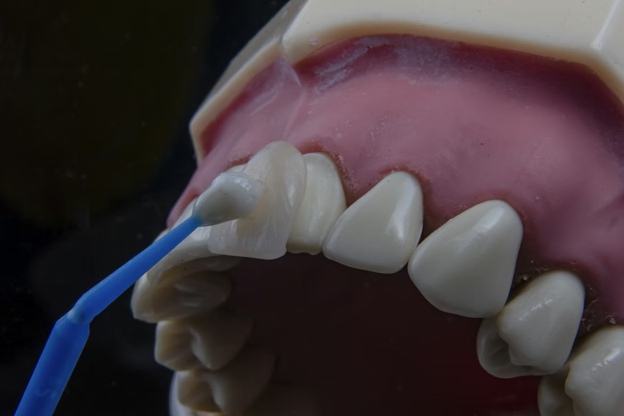
According to the American Dental Association’s 2024 research data, porcelain veneers have a 95% success rate over ten years when properly maintained — yet nearly 30% of patients experience some …
Posted Mar 25, 2026 Dental Care Dentistry
Connecting innovation decision makers to authoritative information, institutions, people and insights.

Medigy accurately delivers healthcare and technology information, news and insight from around the world.
Medigy surfaces the world's best crowdsourced health tech offerings with social interactions and peer reviews.
© 2026 Netspective Foundation, Inc. All Rights Reserved.
Built on Mar 26, 2026 at 3:36pm