

Managing Editor
@ShahidNShah
@ShahidNShah
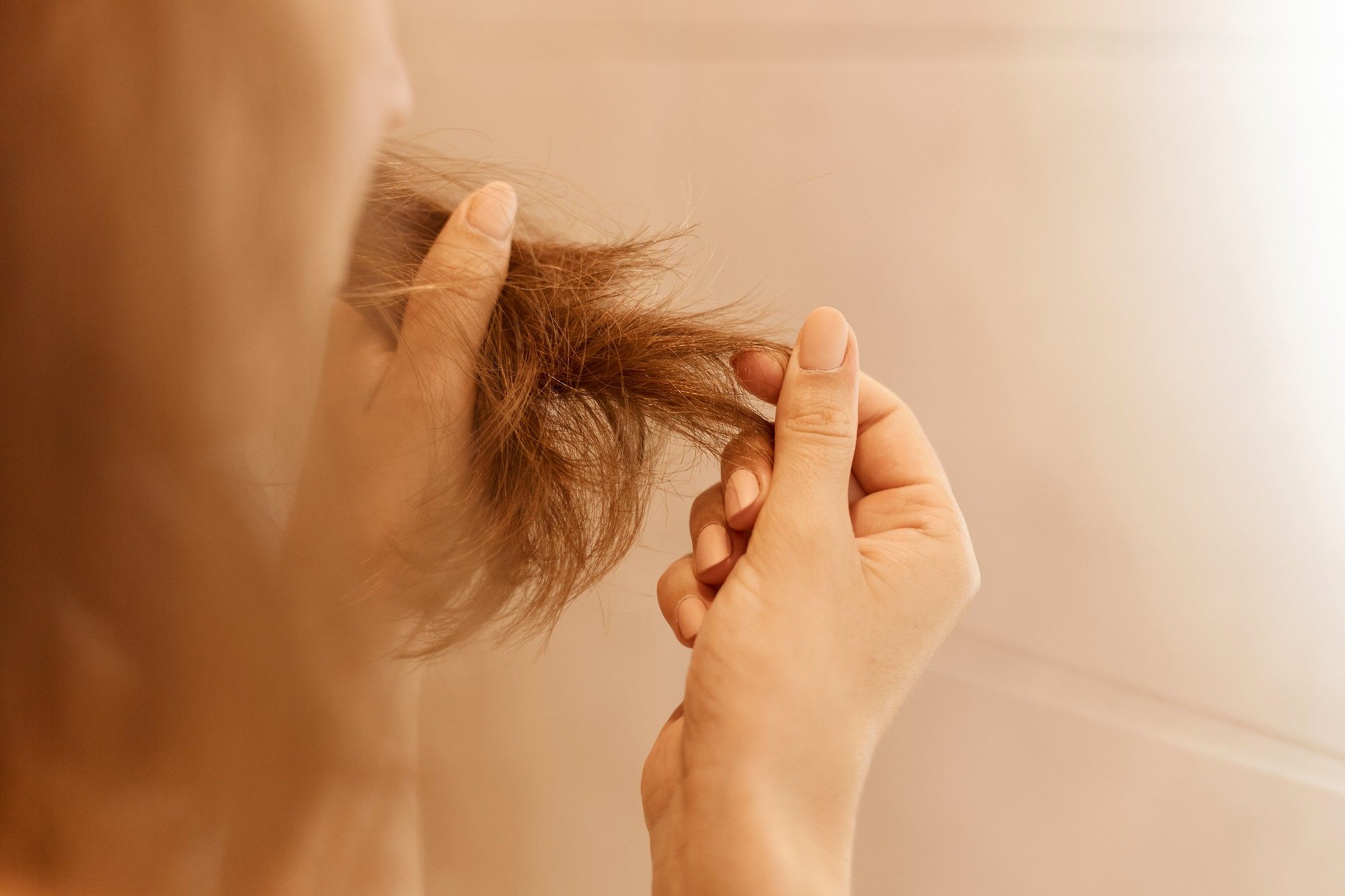
Nutritional deficiencies can contribute to hair shedding, but not every case of hair loss traces back to a vitamin or mineral. Iron, zinc, vitamin B12, and vitamin D are the nutrients most often checked when shedding has no obvious explanation.
Hair loss can also be hormonal, genetic, medical, medication-related, or stress-related, and those causes are more common than most deficiencies.
That is why identifying the underlying problem through testing beats taking supplements blindly, and it is the approach this article walks through.
Hair follicles are among the most active tissues in the body, and each strand cycles through a growth phase, a short transition, and a resting phase that ends in shedding.
That activity depends on a steady supply of nutrients, which is why a true deficiency can push more hairs than usual into the resting phase at once.
Vitamin D helps regulate follicle cycling, and low levels have been observed in people with alopecia areata, an autoimmune condition that causes patchy hair loss.
The research on supplementation is still developing, so for anyone wondering, “Does vitamin D help hair growth?” the honest answer is that correcting a documented shortfall may support the hair cycle, but extra vitamin D on top of normal levels has not been shown to grow hair.
Fatigue, bone pain, low mood, and muscle weakness can accompany low vitamin D, and people with limited sun exposure or darker skin produce less of it.
Iron is the mineral with the strongest connection to shedding. Red blood cells use iron to carry oxygen, including to the cells that build hair.
When iron runs low, hair renewal slows and weakens, which is why iron deficiency hair loss is one of the first things providers consider in women with heavy menstrual periods and in people who eat little or no meat.
Doctors usually check ferritin, the protein that stores iron, because stores can drop before full anemia develops. Low ferritin hair shedding can appear alongside brittle nails, fatigue, and shortness of breath.
Vitamin B12 also supports red blood cell production. Hair loss from a vitamin B12 deficiency rarely arrives alone.
It usually comes with tingling in the hands or feet, brain fog, paleness, and weakness. Because B12 comes mainly from animal foods and fortified foods, vegetarians and vegans carry a higher risk, as do older adults who absorb it less efficiently.
Zinc supports cell growth and tissue repair, and it keeps the oil glands around follicles working. Zinc deficiency hair loss can involve shedding, breakage, and scalp problems.
Biotin deserves a clear word because it dominates the supplement aisle. True biotin deficiency is rare in the United States, limited mostly to certain genetic conditions, long-term use of certain seizure medications, and some pregnancy-related drops.
Without a deficiency, biotin pills are unlikely to change hair growth, and megadoses carry a real downside.
Vitamin C supports collagen production and helps the body absorb iron, so a low intake can worsen an iron problem. Severe deficiency, which is uncommon in the U.S., can cause dry, coiled, corkscrew-shaped hairs.
Vitamin A and vitamin E matter in both directions. Low levels of either are rare and usually tied to conditions that impair fat absorption, such as Crohn’s disease, celiac disease, or cystic fibrosis. Excess intake is the more realistic concern, covered below.
Hair loss alone cannot point to a specific nutrient. Shedding looks much the same whether the driver is low iron, a thyroid disorder, PCOS, a new medication, or the delayed shedding that follows illness, childbirth, or a stressful period.
A healthcare provider narrows it down by reviewing diet, medical history, medications, menstrual or other blood loss, and recent illness, stress, or weight change. Blood work follows from that conversation, chosen to match the symptoms rather than run as one giant panel. Ferritin, B12, vitamin D, and thyroid function are common candidates when the story fits.
Self-diagnosing works against this process. Taking several supplements at once can mask a developing problem, distort lab results, and delay finding the real cause.
Yes. Excess intake of certain nutrients can cause the very problem people are trying to fix. Too much vitamin A over time can cause hair loss, headaches, and liver damage, and excess selenium has been linked to shedding as well.
High doses of vitamin E can increase bleeding risk, and surplus iron harms rather than helps. A supplement makes sense when a test shows the body is short on something, not as insurance stacked on top of a normal diet.
When blood work confirms a shortfall, treatment aims at restoring the nutrient rather than treating the hair directly.
Diet comes first. Lean meats, lentils and beans, fatty fish, eggs, dairy, leafy greens, nuts, and seeds cover iron, B12, vitamin D, zinc, and biotin for most people. Vitamin D is harder to get from food alone. Crash diets and extreme restrictions can cause the problem in the first place, so they are the wrong tool for fixing it.
Supplements enter the plan when a provider recommends them, such as iron for low ferritin, prescribed vitamin D, or B12 by mouth or injection. Dosing belongs with the provider, since overcorrecting carries its own risks.
Patience matters more than most people expect. Each follicle finishes its current cycle before a new strand replaces it, so visible regrowth commonly takes three to six months after levels are restored.
If shedding continues past that point, something else may be driving it, and further evaluation is the right next step.
Iron is the most important nutritional consideration, particularly where blood loss or a limited diet is involved. Most hair loss still has a non-nutritional cause.
Low iron stores are associated with increased shedding, which is why ferritin is one of the first labs providers order for hair complaints.
Yes, it is one possible contributor, usually in people with absorption problems or very restricted diets rather than the average eater.
It may contribute, typically alongside tingling, fatigue, or paleness. On its own, it explains only a few cases.
Only when a true biotin deficiency exists, and that is rare. For everyone else, the evidence does not support it.
Shortfalls in iron, zinc, B12, and vitamin D can contribute to hair loss, and hair often recovers once the missing nutrient is restored. Supplements only help when they correct a real shortfall, which is why testing comes before treatment.
Persistent or unexplained shedding deserves a proper evaluation, since the search for the cause is worth more than any bottle on a shelf.

Paying cash for bariatric surgery should not feel like buying a mystery box. If you live in or near Colorado Springs, you can choose a program in town or drive north to the Denver area, where more …
Posted Oct 2, 2026 General Surgery
Connecting innovation decision makers to authoritative information, institutions, people and insights.

Medigy accurately delivers healthcare and technology information, news and insight from around the world.
Medigy surfaces the world's best crowdsourced health tech offerings with social interactions and peer reviews.
© 2026 Netspective Foundation, Inc. All Rights Reserved.
Built on Oct 6, 2026 at 5:35pm