

Managing Editor
@ShahidNShah
@ShahidNShah
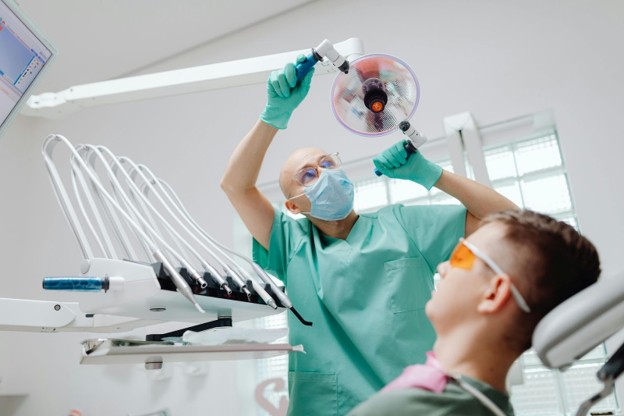
If you’re dealing with consistent jaw pain, difficulty chewing, or suspect your wisdom teeth might be causing trouble, it’s important to contemplate consulting an oral and maxillofacial surgeon in Elizabeth, NJ. These specialists handle complex issues beyond general dentistry, from facial injuries to jaw realignment. Knowing when to seek their expertise can prevent complications and improve your oral health—but what specific signs should prompt you to make that appointment?
Although occasional jaw pain can be harmless, persistent jaw pain and discomfort may signal underlying issues that require the attention of an oral surgeon. If you experience ongoing jaw muscle tension or regular discomfort, it’s important not to ignore these symptoms. Jaw muscle tension can result from various causes, including stress-related clenching or grinding, which often worsens dental anxiety. This anxiety can create a cycle where muscle tension and pain feed into emotional distress, complicating diagnosis and treatment.
An oral surgeon will evaluate the source of your pain, whether it stems from muscular issues, joint disorders, or other structural problems. Early intervention can prevent further complications and improve your quality of life. If your jaw pain persists despite home remedies or over-the-counter treatments, consulting an oral surgeon guarantees a thorough assessment and tailored treatment plan to address both physical symptoms and associated conditions like dental anxiety.
When your wisdom teeth don’t have enough space to emerge properly, they can become impacted or cause other dental problems that require the expertise of an oral surgeon. Impacted wisdom teeth may lead to pain, swelling, infection, or damage to adjacent teeth. If you experience these symptoms, an evaluation by trusted oral surgery specialists in Elizabeth is essential. They specialize in wisdom tooth extraction, ensuring the procedure is safe and effective.
During the consultation, the surgeon will assess your dental X-rays to determine the position and condition of your wisdom teeth. This careful evaluation helps plan the extraction approach, minimizing complications. Post-surgery, you’ll receive detailed instructions to support your surgical recovery, including managing pain, swelling, and preventing infection. Prompt treatment of impacted or problematic wisdom teeth can prevent more severe issues and maintain your overall oral health. Don’t hesitate to seek professional care if you suspect problems with your wisdom teeth.
If you experience facial trauma, such as fractures to your jaw, cheekbone, or eye socket, it’s critical to seek prompt care. An oral surgeon can provide emergency treatment to stabilize your injuries and prevent complications. Understanding the types of fractures and available interventions helps you respond effectively in these situations.
Since facial fractures can vary greatly in severity and location, understanding their types is vital for determining the appropriate treatment. The types of facial fractures include nasal, orbital, zygomatic (cheekbone), maxillary (upper jaw), and mandibular (lower jaw) fractures. Each type presents unique challenges and influences how fracture healing progresses. For instance, mandibular fractures often require stabilization to restore function, while orbital fractures may affect vision and require specialized care. Recognizing the specific fracture type helps your oral and maxillofacial surgeon develop an effective treatment plan that promotes ideal healing and minimizes complications. If you suspect a facial fracture, timely evaluation is critical to guarantee proper alignment and support during fracture healing, ultimately improving recovery outcomes and preserving facial structure and function.
How should you respond to facial trauma to secure the best possible outcome? Immediate trauma assessment is critical. You should seek emergency dental care as soon as possible, especially if you experience severe pain, swelling, or bleeding. An oral and maxillofacial surgeon will conduct a thorough evaluation, including imaging, to identify fractures or soft tissue injuries. Prompt intervention may involve stabilizing fractures, controlling bleeding, and preventing infection. In some cases, surgery is necessary to restore function and appearance. Avoid delaying treatment, as complications can escalate quickly. Remember, timely emergency dental care secures proper healing and minimizes long-term damage. If you or someone you know suffers facial trauma in Elizabeth, NJ, contact a qualified oral surgeon immediately for expert trauma assessment and emergency treatment options.
Why does it become difficult to chew or open your mouth fully? Chewing difficulties and limited mouth opening can result from several oral health issues, including infections, trauma, or inflammation affecting the muscles and joints involved in jaw movement. Conditions such as temporomandibular joint (TMJ) disorders or muscle spasms can restrict your ability to open your mouth wide, causing pain or discomfort during chewing. Additionally, scarring or tissue tightness following surgery or injury may also contribute to reduced mouth opening. If you notice persistent challenges with chewing or difficulty in mouth opening that interfere with eating, speaking, or oral hygiene, it’s essential to seek evaluation by an oral and maxillofacial surgeon. Early diagnosis and treatment can prevent further complications and restore proper function. Your surgeon will assess the underlying cause and recommend targeted therapies to improve jaw mobility and alleviate discomfort, ensuring you regain normal chewing ability and mouth opening.
If you notice persistent jaw pain, difficulty biting, or uneven teeth alignment, you might be dealing with jaw misalignment. An oral surgeon can offer corrective surgical options tailored to your condition. Understanding the recovery process is essential to guarantee the best outcome after treatment.
Although jaw misalignment can sometimes be subtle, you might notice several signs that indicate a problem with your bite. Poor jaw alignment can affect your daily comfort and oral function, making it important to seek an orthodontic evaluation if you experience these symptoms. Common signs include:
Recognizing these signs early allows you to address bite issues before they worsen. Consulting an oral and maxillofacial surgeon in Elizabeth NJ can help determine if your jaw misalignment requires professional treatment.
Corrective surgical options for jaw misalignment and bite issues are designed to restore proper function and alleviate discomfort that non-surgical treatments might not resolve. If you’re experiencing persistent difficulties with chewing, speaking, or pain, corrective procedures can realign your jaw to improve both aesthetics and functionality. These surgical techniques often involve repositioning the upper jaw, lower jaw, or both, depending on your specific condition. An oral and maxillofacial surgeon will evaluate your case thoroughly using imaging and bite analysis to recommend the most appropriate approach. By addressing the root cause of misalignment, these procedures not only enhance comfort but also prevent future dental complications. If conservative methods fall short, consulting a specialist about these surgical options is a critical step toward long-term oral health.
After undergoing surgical procedures to correct jaw misalignment and bite issues, understanding how to care for your mouth during recovery can greatly impact your healing process. Effective post surgery care not only promotes faster healing but also minimizes discomfort. Focus on pain management by following your surgeon’s instructions carefully, including prescribed medications and cold compresses to reduce swelling. To support your recovery:
If you’re experiencing persistent pain or limited movement in your jaw, it could be a sign of chronic TMJ disorder. This condition often involves chronic pain and joint inflammation, which can greatly affect your daily activities like eating and speaking. You might notice a clicking or popping sound when you open or close your mouth, along with stiffness or tenderness around your jaw. Ignoring these symptoms can lead to worsening discomfort and reduced jaw function.
An oral and maxillofacial surgeon in Elizabeth, NJ, can provide a thorough evaluation to determine the underlying cause of your TMJ issues. They offer advanced diagnostic tools and treatments tailored to reduce joint inflammation and manage chronic pain effectively. Early intervention can prevent further joint damage and improve your quality of life. If your symptoms persist despite conservative care, consulting a specialist is essential to receive appropriate treatment and relief.
If you notice abnormal lesions or unusual growths in your mouth, it’s important to have them evaluated promptly. Oral surgeons use specialized diagnostic procedures to determine the nature of these changes. When necessary, they perform biopsies to accurately identify any potential pathology.
Although many oral lesions are harmless, recognizing abnormal ones early can be vital for your health. Oral lesions or abnormal growths that persist beyond two weeks should raise concern, as they may indicate underlying conditions requiring prompt attention. You should look for changes in size, color, or texture, as these could signal more serious issues. Pay close attention to:
If you notice any of these signs, consulting an oral and maxillofacial surgeon in Elizabeth, NJ, is vital. Early identification of abnormal oral lesions improves outcomes and helps prevent complications.
When you’re faced with suspicious oral growths, accurate diagnosis is essential to determine the appropriate treatment plan. Your oral surgeon will begin with a thorough growth assessment, carefully examining the size, shape, texture, and location of oral lesions. This detailed evaluation helps differentiate benign from potentially malignant growths. Imaging studies, such as X-rays or CT scans, may be employed to assess the extent and involvement of deeper tissues. Additionally, your surgeon will review your medical history and any symptoms you’re experiencing to inform the diagnosis. These diagnostic procedures guarantee a thorough understanding of the growths, guiding effective management. By promptly addressing oral lesions with precise growth assessment, you improve the chances of successful treatment and reduce risks associated with undiagnosed conditions.
After your oral surgeon completes a thorough assessment and imaging of any suspicious growths, they may determine that a biopsy is necessary to obtain a definitive diagnosis. Biopsy indications include persistent lesions, unexplained oral ulcers, or unusual tissue changes that don’t resolve on their own. Biopsy procedures involve removing a small tissue sample for microscopic examination to identify benign, precancerous, or malignant conditions. Understanding when a biopsy is needed can ease your concerns and guarantee timely treatment.
You should consider a biopsy if you experience: – Persistent discomfort or pain in the mouth – Visible lumps or irregular tissue changes – Unexplained bleeding or ulceration
Prompt biopsy evaluation helps your surgeon provide an accurate diagnosis and peace of mind.
Before undergoing dental implant surgery, you’ll need a thorough evaluation to confirm you’re a suitable candidate. This begins with a detailed dental implant consultation where the oral surgeon assesses your overall oral health, bone density, and medical history. During this consultation, imaging tests like X-rays or CT scans may be performed to examine the jawbone and surrounding structures.
Following the initial assessment, treatment planning is essential to confirm a successful implant procedure. Your surgeon will discuss the number of implants needed, the type of implant best suited for your condition, and the timeline for the entire process. This plan also addresses any preparatory procedures you might need, such as bone grafting or tooth extractions.
If you experience persistent jaw pain, difficulty chewing, or noticeable misalignment, you might need corrective jaw surgery. This procedure is aimed at improving jaw alignment, which can enhance both function and facial aesthetics. A surgical consultation with an oral and maxillofacial surgeon will help determine if surgery is the right option for you.
Corrective jaw surgery addresses issues such as:
During your consultation, the surgeon will evaluate your jaw structure using imaging and discuss the potential benefits and risks. Timely intervention can prevent further complications and improve your quality of life. If you’re struggling with any of these symptoms, seeking expert advice is essential for an accurate diagnosis and effective treatment plan.
Alongside corrective jaw surgery, oral surgeons also specialize in treating congenital facial deformities—conditions present from birth that affect the structure and function of the face. If you or a loved one has a congenital deformity such as cleft lip, cleft palate, or craniofacial syndrome, you should consider consulting an oral and maxillofacial surgeon. These specialists use advanced surgical techniques to correct deformities, improving both appearance and fundamental functions like breathing, chewing, and speaking. The surgical approach is tailored to your unique anatomy, often involving a multidisciplinary team to guarantee thorough care. Early intervention can greatly enhance outcomes, so don’t delay seeking expert evaluation. Whether reconstruction is needed during infancy or later in life, oral surgeons provide precise treatment plans designed to restore facial symmetry and functionality. If you notice congenital irregularities or experience related difficulties, scheduling a consultation with a qualified oral surgeon in Elizabeth, NJ, is an important step toward effective treatment and improved quality of life.
You should guarantee your oral surgeon in Elizabeth, NJ has completed rigorous educational requirements, including dental and surgical training, and successfully passed the certification process by the American Board of Oral and Maxillofacial Surgery for expert care.
Recovery after oral surgery typically takes one to two weeks. You’ll manage pain with prescribed medications and follow strict post-operative care instructions to guarantee proper healing and minimize complications during this period.
Coverage for surgical procedures varies, so you’ll need to check your dental insurance policies carefully. Some procedures are covered fully or partially, while others might require prior authorization or fall under medical insurance instead.
Yes, oral surgeons can help with sleep apnea by evaluating your condition and offering surgical options like tissue removal or jaw repositioning to improve airflow. They’ll guide you toward the best treatment tailored to your needs.
Oral surgeons use advanced diagnostic imaging like 3D CT scans and digital X-rays to assess conditions accurately. During surgery, they rely on precise surgical tools, including lasers and computer-guided instruments, ensuring effective and minimally invasive procedures.


Best AI Fitness Apps 2026: Top 9 Smart Workout Platforms Reviewed Nearly 345 million people opened a fitness app in 2024, turning phones into training partners more often than real-world gyms. …
Posted Feb 3, 2026 Physical Fitness
Connecting innovation decision makers to authoritative information, institutions, people and insights.

Medigy accurately delivers healthcare and technology information, news and insight from around the world.
Medigy surfaces the world's best crowdsourced health tech offerings with social interactions and peer reviews.
© 2026 Netspective Foundation, Inc. All Rights Reserved.
Built on Apr 8, 2026 at 3:47am